When to Choose FDM 3D Printing for Functional Prototypes and End-Use Parts
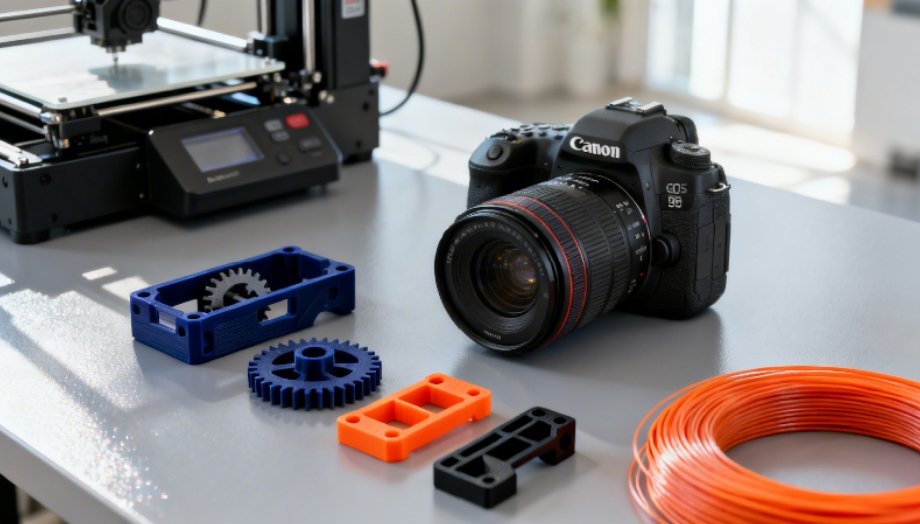
FDM 3D printing builds objects layer by layer using thermoplastic filament. The material is heated and extruded through a nozzle to form solid structures based on digital designs. Because of its simplicity and efficiency, FDM 3D printing remains one of the most widely used additive manufacturing methods.
It is particularly effective for rapid prototyping and low volume production.
Material Versatility and Strength
FDM 3D printing supports a wide range of materials including PLA, ABS, PETG, and nylon. Each material offers unique properties suited to different functional requirements. This versatility allows engineers to choose materials based on strength, flexibility, or heat resistance.
For functional prototypes, FDM 3D printing provides sufficient durability for real world testing.
Cost Efficiency for Businesses
One of the main advantages of FDM 3D printing is affordability. It eliminates the need for expensive tooling and allows cost effective production of small batches. Businesses can test products before committing to large scale manufacturing.
This flexibility makes FDM 3D printing ideal for startups and industrial manufacturers alike.
Expanding Industrial Applications
While initially popular for prototyping, FDM 3D printing is increasingly used for end use parts, jigs, fixtures, and customised components. Advances in material science continue to improve strength and performance.
As demand for fast and flexible manufacturing grows, FDM 3D printing remains a reliable and scalable solution.
FAQs
Is FDM 3D printing suitable for industrial applications
Yes, engineering grade materials make it suitable for many industrial uses.
What makes FDM 3D printing cost effective
It removes tooling costs and supports economical low volume production.
Can FDM 3D printing produce end use parts
Yes, depending on material choice and design requirements, it can produce functional end use components.
For more information on 3D printing, visit KAD 3D.