Why Some Retail Stores Age Well and Others Don’t: A Quiet Look at Fit-Out Decisions in Melbourne
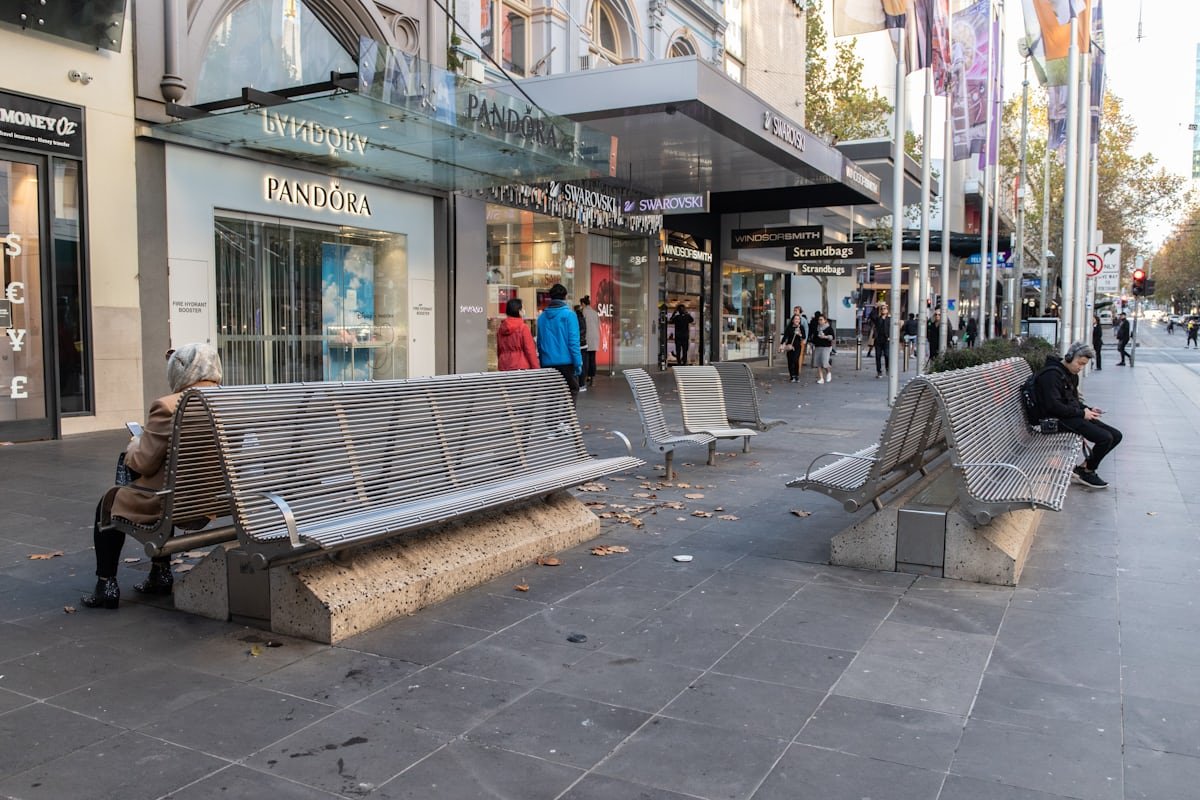
Walk down any busy strip in Melbourne and you’ll see it straight away. Two shops, similar size. Similar products. Opened around the same time. One still feels solid and relevant. The other already looks tired.
That difference usually has less to do with branding and more to do with the early fit-out decisions. The kind made before the doors ever opened. This is where shop fitters in Melbourne tend to leave their real mark, even if customers never realise it.
Fit-Outs Don’t Fail Loudly, They Fade
Most retail fit-outs don’t collapse or fall apart. They just start to feel… off.
Shelving that made sense on day one becomes awkward once stock changes. Lighting that looked dramatic at opening starts to feel harsh six months later. High-traffic areas show wear faster than expected.
Experienced shop fitters in Melbourne see this pattern often. The stores that struggle long-term usually weren’t badly built. They were just built for a single moment in time.
Melbourne Retail Changes Faster Than Layouts Do
Trends shift quickly here. Pop-ups become permanent. Permanent stores downsize. Retailers pivot from product-heavy displays to experience-led layouts without much warning.
Fit-outs that age well are rarely the most dramatic ones. They’re flexible. Slightly understated. Built with change in mind.
This is where good shop fitters in Melbourne push back gently. Not against design vision, but against decisions that lock a store into one version of itself.
Traffic Patterns Tell The Real Story
A floor plan can look perfect on paper and still fail in real life.
Customers don’t move the way designers expect. They pause where light hits just right. They avoid narrow walkways. They linger near entrances longer than planned.
Fit-outs that last are usually shaped by observation. By people who’ve watched hundreds of stores operate. Shop fitters in Melbourne with on-ground experience adjust layouts subtly to suit how locals actually shop, not how diagrams suggest they should.
Durability Is A Design Choice, Not A Downgrade
There’s a quiet assumption that durable materials look boring. In practice, the opposite is often true.
Melbourne shoppers are tough on retail spaces. Wet weather. Heavy foot traffic. Prams, bags, bikes, deliveries. Finishes that look beautiful but can’t cope with daily wear reveal their weaknesses fast.
The best shop fitters in Melbourne treat durability as part of the design language, not something hidden behind it. A surface that holds up well tends to look better longer. That matters more than opening-day photos.
Council Rules Shape More Than Timelines
Local approvals and building codes influence layout, materials, and even signage placement. Stores that ignore these realities early often end up compromised later.
Fit-outs that age badly are sometimes victims of late compliance changes. Last-minute adjustments that disrupt flow or aesthetics.
Seasoned shop fitters in Melbourne factor these constraints in from the beginning. Not as obstacles, just part of working in this city.
Rushed Openings Leave Long Shadows
Opening deadlines are unforgiving. Leases start. Staff are hired. Stock arrives.
When time runs out, compromises creep in. Temporary solutions become permanent. Corners stay cut.
Most shop fitters in Melbourne can tell you which stores were rushed just by walking in. The details give it away. And those details are the ones retailers live with every day after the launch buzz fades.
Stores That Age Well Were Built For Boredom
This might sound strange, but it’s true.
Retail spaces that last weren’t designed to impress constantly. They were designed to function quietly, day after day. They don’t demand attention from staff. They don’t require constant fixing.
That kind of restraint usually comes from experience. From shop fitters in Melbourne who know that the real test of a fit-out happens long after the ribbon is cut.
Staff Experience Is Part Of Longevity
If a store is hard to work in, it won’t age well.
Cramped storage. Awkward counters. Poor sightlines. These things wear staff down over time. High turnover follows. Standards slip.
Fit-outs built with staff movement in mind tend to stay sharper. Not because staff care more, but because the space supports them. This is something thoughtful shop fitters in Melbourne prioritise, even when it’s not part of the brief.
Flexibility Beats Perfection
Retailers change direction. That’s normal. Fit-outs that allow for small changes without major rebuilds age far better.
Moveable fixtures. Adaptable lighting. Neutral structural elements. These choices don’t look exciting on mood boards, but they save money and stress later.
Most experienced Shop Fitters in Melbourne will quietly steer clients toward this flexibility, even if it means toning down initial drama.
The Stores That Last Feel Settled, Not Frozen
Walk into a retail space that’s aged well and you’ll feel it. Nothing screams for attention. Nothing feels temporary. The store feels settled in its place.
That doesn’t happen by accident.
It usually comes from collaboration. From honest conversations early on. From shop fitters in Melbourne who think beyond opening week and build for the long stretch that follows.
Because in retail, longevity isn’t flashy. It’s steady. And the stores that understand that tend to stick around.