Why Preventive Care Is Essential for Home Garage Doors
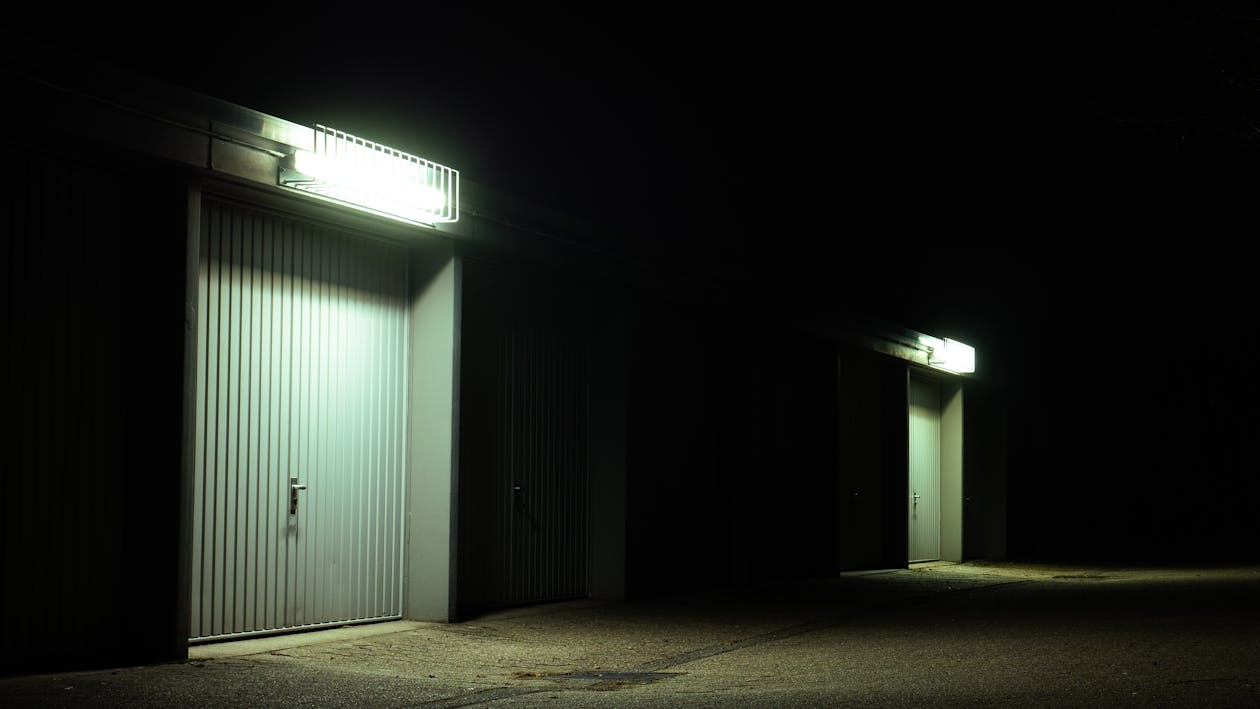
Your garage door is the largest moving object in your home, and you probably use it more than your front door. It opens and closes multiple times a day, lifting hundreds of pounds with the push of a button. When it works properly, you barely think about it. When it fails, it can trap your car inside, leave your home exposed, or pose a serious safety risk to your family.
In places like Central Texas, where extreme heat and seasonal humidity put added stress on metal components, garage doors work even harder year-round. Springs expand, lubricants dry out, and moving parts experience gradual strain. These small changes build over time. Staying ahead of those issues through routine care keeps the system reliable and protects both your schedule and your home’s security.
Understanding the Complexity of High-Tension Garage Door Systems
A garage door system may look simple from the outside, but it relies on tightly wound springs, reinforced cables, rollers, and tracks that operate under significant tension. Each component must remain aligned and properly balanced to lift the door smoothly and safely. When even one part shifts, wears down, or weakens, the added strain quickly affects the rest of the system. Small issues rarely stay small for long.
Because these parts work together under constant pressure, regular inspection and timely adjustments are critical. This is why consistent garage door maintenance is important for protecting both your home and your safety. Trained technicians understand how to manage high-tension springs and precise alignments without creating additional risk. While homeowners can identify visible wear, attempting to adjust these components without proper tools or experience can result in serious injuries and costly emergency repairs. Preventive servicing keeps the entire system operating safely and reliably.
The Mechanics of Everyday Wear and Tear
Every time you open or close your garage door, the torsion springs complete a cycle. Over months and years, those cycles add up. Springs gradually lose tension, rollers begin to wear down, and hinges loosen with repeated motion. Even small amounts of friction increase the system’s stress.
Cables can fray, and tracks can bend slightly from vibration or accidental bumps. These changes may seem minor at first, but they affect balance and smooth operation. If left unchecked, worn components force the opener to work harder, accelerating damage across the entire system.
Safety Features: Protecting Your Family and Property
Modern garage doors include built-in safety systems designed to prevent injuries and property damage. Photo-eye sensors near the base of the door detect movement or obstacles in its path. If these sensors become dirty or misaligned, the door may fail to reverse properly.
You can test the auto-reverse function by placing a small object in the door’s path and closing it. The door should immediately stop and reverse direction. Performing these checks regularly ensures your system continues to meet safety standards and keeps children, pets, and vehicles protected.
Extending the Life of the Garage Door Opener and Motor
Your garage door opener does the heavy lifting every day, but it depends on a properly balanced door to function efficiently. When springs lose tension or tracks fall out of alignment, the motor compensates by working harder than it should. Over time, that extra strain shortens its lifespan and increases the risk of sudden failure.
Keeping the door balanced and components properly lubricated reduces stress on the motor. Routine adjustments and inspections help identify small electrical or mechanical concerns before they escalate. A well-maintained system allows the opener to run smoothly and quietly, with less wear on internal gears.
Listening to the Warning Signs: Noise as a “Cry for Help”
Unusual sounds are often the first sign that something needs attention. Squeaking may signal dry rollers or hinges, while grinding can indicate worn bearings or debris in the track. Rattling can sometimes point to loose hardware that needs tightening. These sounds rarely fix themselves.
Addressing noise early prevents additional damage. Lubricating moving parts and securing loose bolts can resolve minor issues quickly. When sounds persist, a professional inspection helps pinpoint deeper mechanical problems before they lead to costly breakdowns or unsafe operation.
Seasonal Impacts: How Central Texas Climate Affects Garage Doors
Central Texas heat places consistent pressure on metal components. High temperatures can cause expansion, affecting spring tension and track alignment. Over time, extreme heat also dries out lubrication, increasing friction between moving parts. These conditions make seasonal inspections especially important.
Humidity introduces another challenge. Moisture accelerates rust on cables, rollers, and hinges, weakening structural integrity. Regular cleaning and proper lubrication protect against corrosion. Checking weather seals also helps prevent warm air and moisture from entering the garage, preserving both the door system and stored belongings.
DIY Homeowner Inspection vs. Professional Tune-Ups
Homeowners can safely perform visual inspections several times a year. Look for frayed cables, loose bolts, worn rollers, and uneven movement. Test safety sensors and listen for unusual sounds. These simple steps help you catch obvious issues early without taking unnecessary risks.
However, tasks involving torsion springs, cable replacement, or track realignment require professional tools and expertise. High-tension components can cause serious injury if handled incorrectly. Scheduling periodic professional tune-ups ensures accurate adjustments, protects your investment, and reduces the likelihood of emergency service calls.