Why does consultation planning affect plastic surgery outcomes?
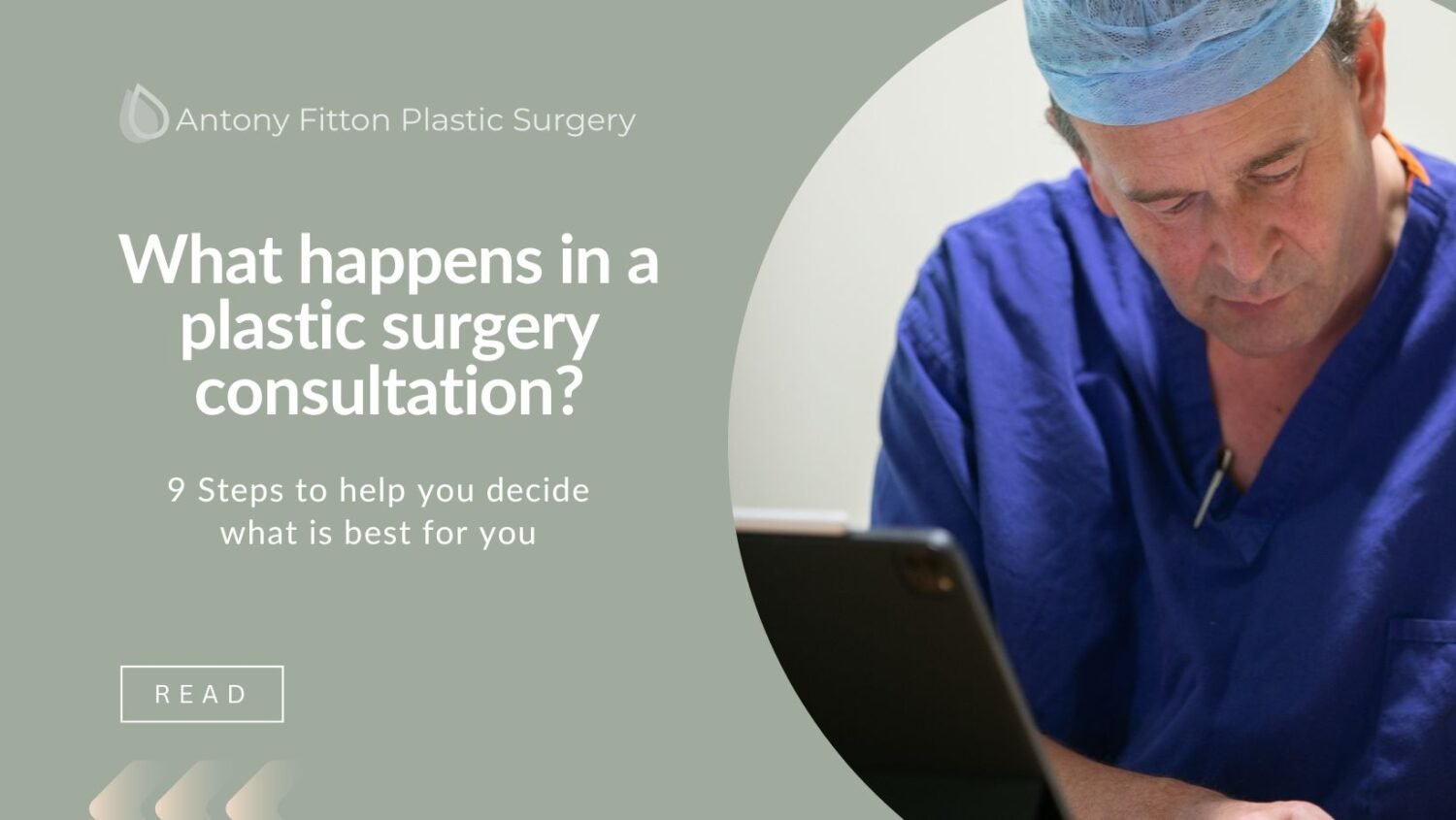
Plastic surgery outcomes are shaped long before the day of surgery, starting with how the consultation is planned and conducted. A well-structured consultation helps the clinic understand the patient’s goals, health history, anatomy, and recovery realities, then match those factors to a procedure plan that can heal predictably. Poor planning can lead to mismatched expectations, overlooked medical risks, rushed decisions, or recovery plans that do not fit the patient’s lifestyle. Consultation planning also influences the accuracy of measurements, photography, and documentation used in surgical design, which in turn affects symmetry and scar placement. When consultations are thorough, patients make clearer choices, clinics reduce preventable complications, and results tend to align more closely with what was discussed at the start.
What consultation planning sets up
- Clarity of goals and realistic expectations
A planned consultation creates a focused conversation that turns a general desire into specific, measurable goals. Patients often arrive with broad hopes, such as looking more refreshed or regaining pre-pregnancy shape. Still, outcomes depend on factors such as shape preferences, scar tolerance, recovery time, and trade-offs among volume, tightness, and natural movement. When a consultation is organized, the clinician can ask targeted questions and guide the patient through examples that clarify what is achievable for their anatomy. This reduces the risk of an outcome feeling wrong, even if the surgery was performed competently. Planning also makes room to discuss limitations such as skin elasticity, tissue thickness, and pre-surgery asymmetry. Patients who understand those limits are less likely to be surprised by swelling stages, scar maturation, or the time needed for tissues to settle. A structured conversation can also uncover timeline pressure, outside influence, or rushed decision-making that increases the risk of dissatisfaction. In short, consultation planning sets the foundation for expectations, and expectations strongly shape how patients judge outcomes months later.
- Medical and lifestyle factors that affect healing
Well-planned consultations collect health information early, not at the last minute. Medical history, medications, supplements, and nicotine exposure can change bleeding risk, clot risk, anesthesia safety, and wound healing. When clinics prepare intake forms and pre-consult questionnaires in advance, they can flag issues that need optimization, such as blood pressure control, blood sugar management, or sleep apnea screening. Lifestyle assessment matters too. Recovery is not only about pain tolerance, but it also depends on childcare, work demands, lifting restrictions, and the ability to attend follow-ups. Mommy Makeover Surgery discussions often highlight this point because combining procedures can increase downtime and require stronger home support for the first week. Consultation planning also covers nutrition, hydration, and activity habits that influence swelling and healing. Patients may need to stop certain supplements, arrange post-op help, or plan time away from travel. If these factors are discovered late, the plan may be rushed, or the patient may proceed without the support needed, which can worsen complications and increase anxiety during recovery.
- Anatomy assessment, measurements, and surgical design
Many outcome details depend on how carefully the clinician evaluates anatomy during the consultation. That includes measurements, skin quality assessment, and documenting asymmetries that might otherwise be interpreted as surgical errors after healing. Planned consultations allow enough time for standardized photos, consistent lighting, and repeatable positioning, which makes pre-op and post-op comparisons fair and useful. Measurements help guide incision placement, the amount of tissue removed, implant sizing (if applicable), and decisions about staging procedures. They also support communication within the surgical team, ensuring everyone is aligned on the plan. When consults are rushed, clinicians may rely on quick visual impressions and incomplete notes, which can lead to misunderstanding about goals such as upper pole fullness versus natural slope, or about how much tightening is realistic. A well-planned consult is also when the clinician maps how scars will sit in clothing, how swelling may affect early appearance, and how symmetry will be approached when the body is not naturally symmetrical. Better documentation leads to fewer surprises and stronger alignment between planning and execution.
Planning improves results and safety.
Consultation planning affects plastic surgery outcomes because it sets expectations, identifies health risks, and turns goals into a procedure plan that fits the patient’s anatomy and recovery reality. When the consult is structured, clinics capture accurate measurements and documentation that support surgical design and clear team communication. Medical and lifestyle factors are addressed early, allowing optimization and safer scheduling rather than rushed decisions. Planned consultations also help patients choose procedures and staging that respect safety boundaries while still meeting aesthetic goals. Finally, recovery outcomes improve when aftercare instructions, follow-up structure, and communication pathways are established before surgery rather than after problems appear. A thoughtful consultation does not guarantee a perfect result, but it significantly improves alignment, predictability, and patient confidence throughout the process.