Why Beesuit Ventilation Matters During Hive Inspections
Hive inspections are a routine yet critical part of successful beekeeping. Whether you are checking brood patterns, monitoring hive health, or managing pests, inspections require focus, calm movements, and time. While tools like smokers and hive tools are important, none play a more personal role than beesuits. Among the many features of modern beekeeping protective clothing, ventilation stands out as one of the most important — especially during long or warm-weather inspections.
Ventilated beesuits have transformed how beekeepers work in their apiaries. They improve comfort, increase safety, reduce stress, and ultimately make hive inspections more productive. Understanding why beesuit ventilation matters can help you choose the right protective gear and improve your overall beekeeping experience.
The Role of Beesuits in Safe Hive Inspections
Beesuits are the foundation of beekeeper safety. They provide a physical barrier between the beekeeper and defensive bees, protecting against stings while boosting confidence during hive inspections. When a beekeeper feels protected, they are more likely to move calmly, inspect thoroughly, and avoid mistakes.
Modern beekeeping protective clothing has evolved far beyond thick, heavy cotton suits. Today’s beesuits are designed to balance sting protection, comfort, and breathability, making hive inspections safer and more manageable. Ventilation is now considered an essential feature rather than a luxury, particularly for beekeepers working in warm climates or managing multiple hives.
What Is Beesuit Ventilation?
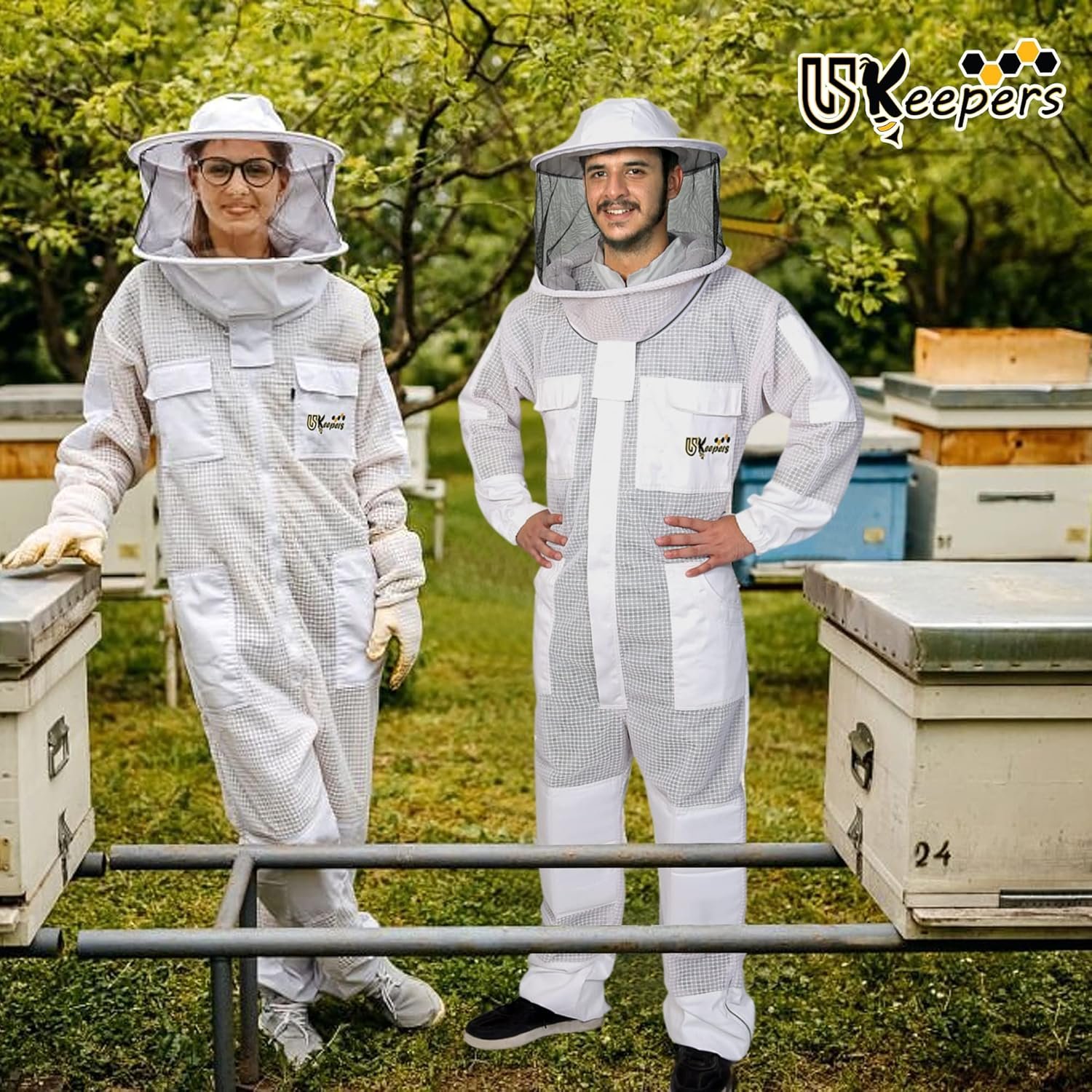
Beesuit ventilation refers to the airflow system built into a suit that allows heat and moisture to escape while still preventing bees from reaching the skin. Most ventilated beesuits use a multi-layer mesh design, often consisting of three layers that create space between the outer fabric and the beekeeper’s body.
This design allows air to circulate freely while maintaining effective sting resistance. Compared to traditional solid-fabric suits, breathable beesuits feel lighter, cooler, and far more comfortable during hive inspections. The result is protective gear that supports longer work sessions without overheating.
Why Beesuits Get Hot During Hive Inspections
Hive inspections are physical activities. Beekeepers bend, lift boxes, stand in the sun, and remain alert for extended periods. Traditional beesuits trap body heat, especially during summer hive inspections or in warm, humid regions.
Without proper ventilation, heat builds quickly inside the suit, leading to excessive sweating, dehydration, and fatigue. Overheating can reduce concentration and increase irritability, making inspections rushed or incomplete. This discomfort is one of the main reasons beekeepers cut inspections short or delay necessary hive management tasks.
Ventilated beekeeping suits address this problem by allowing continuous airflow, keeping body temperature more stable even during hot weather beekeeping.
How Ventilated Beesuits Improve Comfort and Focus
Comfort directly affects performance during hive inspections. When a beekeeper is cool and comfortable, they can focus on what truly matters: hive health, queen activity, brood patterns, and disease detection.
Comfortable beesuits reduce sweat buildup and prevent clothing from sticking to the skin. The lightweight nature of ventilated beesuits also improves mobility, making it easier to move arms, bend, and lift without restriction. This increased comfort allows beekeepers to spend more time inspecting frames carefully rather than rushing due to heat discomfort.
Increased focus leads to better decision-making, healthier colonies, and fewer mistakes during inspections.
Ventilation and Sting Protection: How Beesuits Balance Both
A common concern among beginners is whether ventilation compromises safety. High-quality ventilated beesuits are specifically designed to maintain strong sting protection while allowing airflow.
The layered mesh construction keeps the outer layer far enough from the skin to prevent stingers from reaching through. When properly fitted, sting-proof beesuits offer the same — or even better — protection than traditional suits, without the heavy, suffocating feel.
Fit plays a major role here. Loose-fitting protective beesuits allow airflow and maintain safe spacing, while tight suits can reduce both comfort and protection.
Why Ventilated Beesuits Help Reduce Stress for Beekeepers and Bees
Beekeeping is as much about behavior as it is about equipment. Bees react strongly to sudden movements, agitation, and stress. When a beekeeper is overheating, discomfort often leads to faster movements, impatience, and mistakes.
Ventilated beesuits promote stress-free hive inspections by keeping the beekeeper calm and comfortable. Calm beekeepers move slowly, use smokers effectively, and handle frames gently — all of which reduce defensive behavior in bees.
This creates a positive feedback loop: calmer bees mean fewer stings, which increases beekeeper confidence and further reduces stress during inspections.
Ventilated Beesuits for Long Hive Inspections
Some hive inspections are quick, but others take time. Honey harvesting, pest treatments, queen searches, or apiary-wide inspections can last hours. In these situations, ventilated beesuits become invaluable.
All-day airflow helps reduce fatigue and dehydration, allowing beekeepers to work longer without discomfort. Professional and sideline beekeepers especially benefit from durable beesuits that combine ventilation with strong construction, reinforced seams, and high-quality zippers.
For anyone managing multiple hives, investing in breathable, long-lasting beesuits significantly improves productivity and physical well-being.
Choosing the Right Ventilated Beesuit
Not all beesuits are created equal. When choosing a ventilated beesuit, several factors should be considered:
- Airflow design: Look for full-body ventilation panels rather than limited mesh areas
- Material quality: Durable mesh that resists tearing and washing wear
- Veil visibility: Clear veils that provide airflow without obstructing vision
- Fit and sizing: Proper fit ensures comfort, protection, and airflow
- Climate suitability: Hot climates demand maximum ventilation
For beginners, ventilated beesuits for beginners offer confidence and comfort, while experienced beekeepers may prefer professional-grade suits designed for frequent inspections.
Ventilated Beesuits vs Beekeeping Jackets
Beekeepers often debate between full beesuits and ventilated jackets. While jackets provide upper-body protection and increased mobility, full beesuits offer complete coverage — including legs and ankles — where stings often occur during inspections.
For intensive hive inspections, ground-level work, or aggressive colonies, full beesuits provide better overall safety. Ventilated jackets may be suitable for quick checks, but when comfort and protection are both priorities, a full ventilated beesuit is usually the better choice.
Caring for Your Ventilated Beesuit
Proper care ensures that beesuits remain effective and comfortable for years. Regular cleaning removes sweat, propolis, and pheromones that can trigger defensive behavior in bees. Always follow manufacturer washing instructions to protect the mesh layers.
Air-drying helps maintain ventilation performance, while proper storage prevents damage to zippers and veils. Well-maintained long-lasting beesuits continue to provide airflow and protection season after season.
Conclusion
Ventilation is no longer an optional feature in beekeeping protective clothing — it is a necessity. Beesuits with proper ventilation are among the most important beekeeping gears, as they improve comfort, enhance safety, reduce stress, and allow beekeepers to conduct more effective hive inspections.
By staying cool and focused, beekeepers make better decisions, handle bees more calmly, and protect both themselves and their colonies. Whether you are a beginner managing your first hive or an experienced beekeeper working long days in the apiary, investing in high-quality beekeeping gears like a ventilated beesuit is one of the smartest choices you can make.
Modern beekeeping demands modern beekeeping gears, and ventilated beesuits represent the perfect balance of protection, comfort, and performance during hive inspections.