Why 925 Sterling Silver Tarnishes and How to Restore Its Shine at Home
Sterling silver has a way of making everyday jewelry feel polished without becoming too formal. It is bright enough to catch the light, soft enough for daily styling, and versatile enough to pair with natural stones, denim, silk, workwear, and weekend clothes.
Then, one day, it starts to look darker.
A favorite bracelet may lose its shine around the clasp. A ring may develop a gray cast. A chain that once looked bright may begin to look slightly yellow, brown, or black in certain areas. For many people, that first sign of tarnish feels like proof that the jewelry is low quality.
In most cases, it is not.
Tarnish is a normal surface reaction that can happen to real sterling silver. The good news is that light tarnish can often be improved at home with gentle care. The more important question is how to clean silver properly, especially when the piece also includes natural stones.
A plain silver ring and a moonstone bracelet should not be treated the same way. Natural-stone jewelry needs a softer approach.
Why Does 925 Sterling Silver Tarnish?
Sterling silver is usually made from 92.5% silver mixed with other metals for strength. Pure silver is relatively soft, so the added metal helps jewelry hold its shape better during regular wear.
The trade-off is that sterling silver can tarnish.
Tarnish forms when silver reacts with substances in the environment. Air, humidity, salt, sweat, perfume, lotion, hair products, cleaning sprays, and materials containing sulfur can all make silver darken faster. This is why the same piece may stay bright for one person but tarnish quickly for someone else.
Storage also matters. Jewelry left out on a bathroom counter will usually face more moisture than jewelry stored in a dry pouch. Pieces worn during workouts, sleep, showering, or swimming may also need more frequent cleaning because they come into contact with sweat, water, friction, and personal-care products.
Tarnish does not always mean the jewelry is fake. In fact, real sterling silver can tarnish precisely because it is silver.
Is Tarnish a Bad Sign?
Tarnish is not the same as damage.
A thin layer of surface discoloration can often be removed with a silver polishing cloth or gentle cleaning. If the metal beneath is still intact, the piece may only need routine care.
However, some signs deserve closer attention. If a piece flakes, peels, exposes a different metal underneath, or turns the skin green, the issue may involve plating, base-metal alloys, or coating wear rather than ordinary silver tarnish. If a stone becomes loose, cracked, cloudy, or scratched after cleaning, the method may have been too harsh for that specific material.
This is why it helps to read product descriptions carefully before buying. Look for clear information about the metal, stone, finish, setting, and care instructions. When shopping for natural gemstone jewelry, transparency matters as much as appearance. A beautiful piece should also tell you what it is made of and how to care for it.
How to Clean 925 Silver Jewelry at Home
For light tarnish, start with the least aggressive method.
Use a soft silver polishing cloth and gently rub the metal areas. Avoid scrubbing the stone itself unless the cloth is specifically safe for that material. Many pieces only need this step to look brighter again.
If the jewelry has surface dirt, body oils, or product residue, use lukewarm water with a small amount of mild soap. Dip a soft cloth into the water, wipe the jewelry carefully, and avoid soaking the piece for a long time. After cleaning, use a clean damp cloth to remove soap residue, then dry the jewelry completely with a soft towel.
Drying is not optional. Moisture left around clasps, chains, bead holes, or settings can speed up tarnish and may affect certain stones.
For jewelry that includes natural stones, avoid rushing into stronger cleaning methods. What works for plain silver may not be safe for moonstone, jade, pearl, turquoise, opal, or other more delicate materials.
What Not to Use on Natural-Stone Jewelry
The internet is full of silver-cleaning shortcuts, but not all of them are suitable for jewelry that includes stones.
Toothpaste is a common example. It may seem harmless, but many toothpastes are abrasive. They can scratch polished metal, dull softer stones, or leave residue in small settings.
Baking soda pastes and aluminum-foil cleaning methods are also better reserved, if used at all, for very plain silver pieces without stones, coatings, glue, pearls, or delicate finishes. These methods can be too harsh or unpredictable for mixed-material jewelry.
Ultrasonic cleaners should also be approached carefully. They may be safe for some jewelry, but they are not universal. Stones with fractures, treatments, inclusions, delicate settings, or softer surfaces may be damaged by vibration. When in doubt, choose hand cleaning or ask a professional jeweler.
As a simple rule, natural-stone jewelry should be cleaned gently, dried thoroughly, and kept away from harsh chemicals.
Can You Shower With 925 Sterling Silver Jewelry?
It is better to take jewelry off before showering.
A quick splash of clean water may not ruin sterling silver immediately, but repeated exposure to water, soap, shampoo, conditioner, body wash, and chlorine can shorten the life of a finish and make cleaning more difficult. The risk becomes higher when the piece includes natural stones, bead stringing, delicate chain details, or mixed materials.
Swimming is even less ideal. Chlorine and salt water can be harsh on both metal and certain stones. Hot tubs add heat and chemicals, which can be especially unfriendly to jewelry.
If your goal is to keep silver and natural stones looking good for longer, make jewelry the last thing you put on and the first thing you take off before water, exercise, or sleep.
How to Keep Silver Bright for Longer
Preventing tarnish is easier than fixing heavy tarnish later.
Store sterling silver in a dry place, ideally inside a soft pouch or anti-tarnish bag. Keep pieces separated so chains do not scratch stones or tangle with each other. Avoid storing jewelry in the bathroom, where moisture changes frequently.
After wearing, wipe the jewelry with a soft cloth before putting it away. This removes sweat, oils, perfume, sunscreen, and other residue that can build up over time. If you wear lotion or fragrance, apply those first, let them dry, and then put on your jewelry.
For natural-stone pieces, storage is just as important as cleaning. Some stones can be scratched by harder materials, while others may be sensitive to heat, strong light, or chemicals. A few seconds of careful storage can prevent many common problems.
How to Care for Silver and Natural Stones Together
Mixed-material jewelry needs balanced care.
If a bracelet includes both sterling silver and moonstone, for example, you are not only cleaning silver. You are also protecting the stone, chain, clasp, and setting. A gentle routine works best: polish the silver parts with a soft cloth, wipe the stone lightly if needed, and avoid soaking the entire piece unless the care instructions say it is safe.
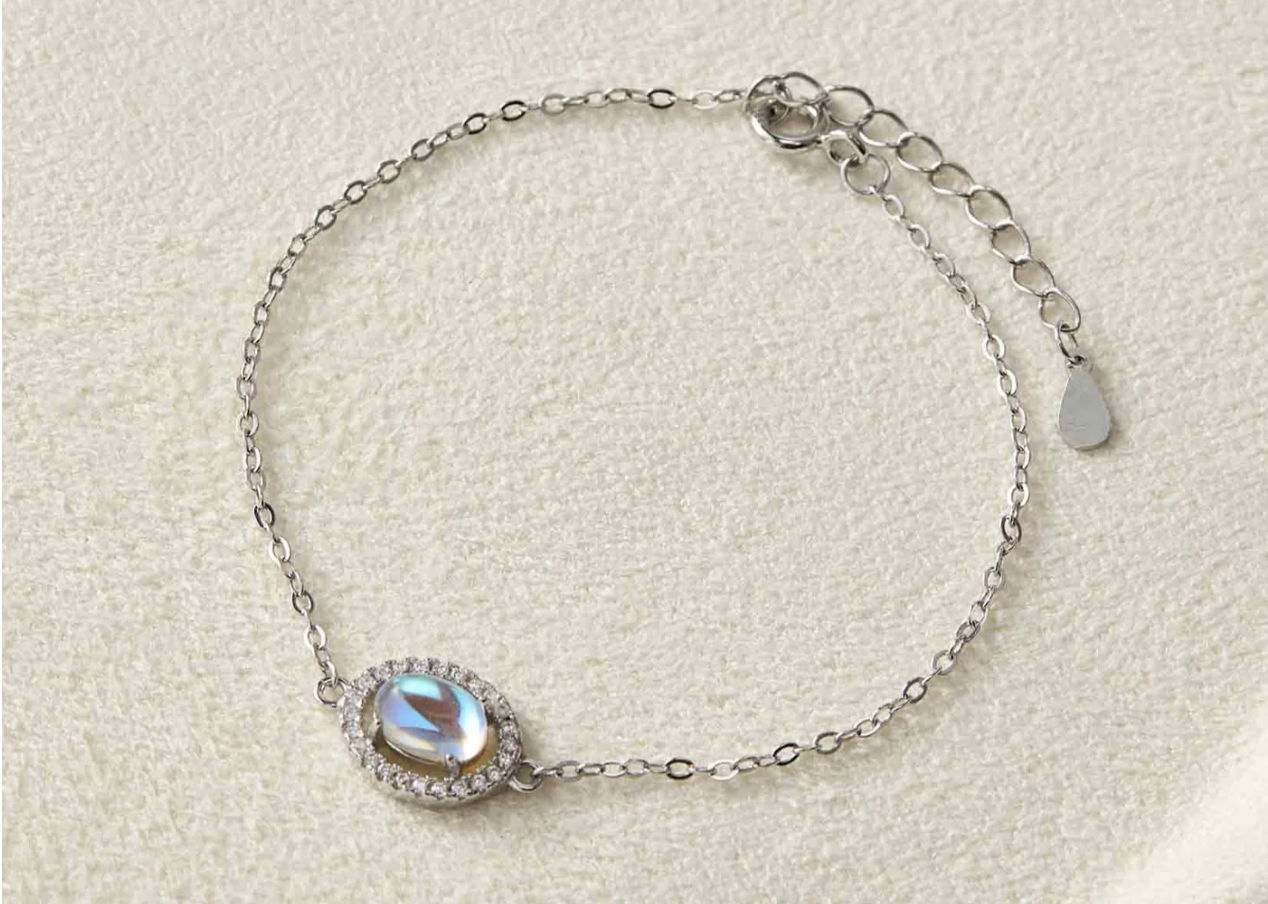
The Moonchild Moonstone Chain Bracelet is a good example of why this matters. Its appeal comes from the soft glow of moonstone and the refined look of the chain, so care should preserve both the metal finish and the natural surface of the stone.
This does not mean natural-stone jewelry has to be difficult to own. It simply means that regular, gentle habits are better than occasional aggressive cleaning.
When Should You Ask a Jeweler?
Home cleaning is useful for light tarnish and everyday residue. It is not the answer to every problem.
Ask a professional jeweler if a stone feels loose, a clasp stops working, a chain breaks, or the jewelry has heavy tarnish in hard-to-reach areas. You should also get help before using strong cleaners on antique pieces, sentimental jewelry, porous stones, pearls, or any item with unclear materials.
Professional cleaning can also be helpful when a piece combines several materials and you are not sure which method is safe.
If the jewelry is new and the issue looks like peeling, discoloration beneath the surface, or a possible material defect, contact the brand or seller first. Clear aftercare support is part of what makes a jewelry purchase feel trustworthy.
Choosing Jewelry That Is Easier to Maintain
Some jewelry is easier to care for because the materials and construction are clear from the start.
Before buying, check whether the listing identifies the metal as 925 sterling silver, plated brass, gold-plated silver, stainless steel, or another material. Each one has different care expectations. Also check whether the stones are natural, treated, synthetic, or imitation, because this can affect both value and cleaning needs.
A good everyday piece should not require constant worry, but it should come with enough information to help you care for it properly.
This is where brands like CHOODO fit naturally into the everyday jewelry conversation. The brand focuses on wearable natural-stone designs, with pieces that are intended to fit into daily styling rather than sit untouched for special occasions. For the buyer, the practical benefit is simple: choose the look you love, then care for it according to the materials it actually contains.
FAQ
Why does 925 sterling silver turn black?
925 sterling silver can turn black when the silver reacts with substances in the environment, including air, moisture, sweat, salt, perfume, lotion, and sulfur-containing materials. This surface discoloration is called tarnish and does not automatically mean the jewelry is fake.
Can tarnished silver become shiny again?
Light tarnish can often be improved with a soft silver polishing cloth. For dirt or product buildup, use a damp cloth with mild soap, then dry the jewelry completely. If the piece includes natural stones, avoid harsh dips, strong scrubbing, and long soaking.
Can I clean silver jewelry with toothpaste?
It is better not to use toothpaste on jewelry, especially if the piece has natural stones. Toothpaste can be abrasive and may scratch metal or dull softer materials.
Can I wear 925 silver jewelry every day?
Yes, many 925 sterling silver pieces are suitable for regular wear, but daily wear does not mean no care. Wipe the jewelry after use, store it in a dry place, and remove it before showering, swimming, exercising, or applying heavy lotions and perfume.
How often should I polish sterling silver?
Polish only when the jewelry begins to look dull or tarnished. Over-polishing is unnecessary, especially on detailed pieces. A light wipe after wearing and proper storage can reduce how often deeper polishing is needed.
Is tarnished silver still real silver?
Yes, real sterling silver can tarnish. Tarnish is often a sign of surface reaction, not proof that the jewelry is fake. However, peeling, flaking, or a different metal showing underneath may indicate plating or another material issue.
The Takeaway
Sterling silver and natural-stone jewelry can be beautiful for everyday wear, but they look their best when cared for gently. Tarnish is normal, and in many cases it can be managed with simple habits: soft polishing, mild cleaning, thorough drying, and careful storage.
The main thing is to avoid treating every piece of jewelry the same way. Plain silver, plated jewelry, pearl pieces, moonstone bracelets, jade details, and beaded designs all have different care needs.
A little attention makes a difference. When you understand why silver tarnishes and how natural stones should be handled, your jewelry becomes easier to wear, easier to maintain, and easier to enjoy for years.