When Henderson Homeowners Should Take Water Intrusion Seriously
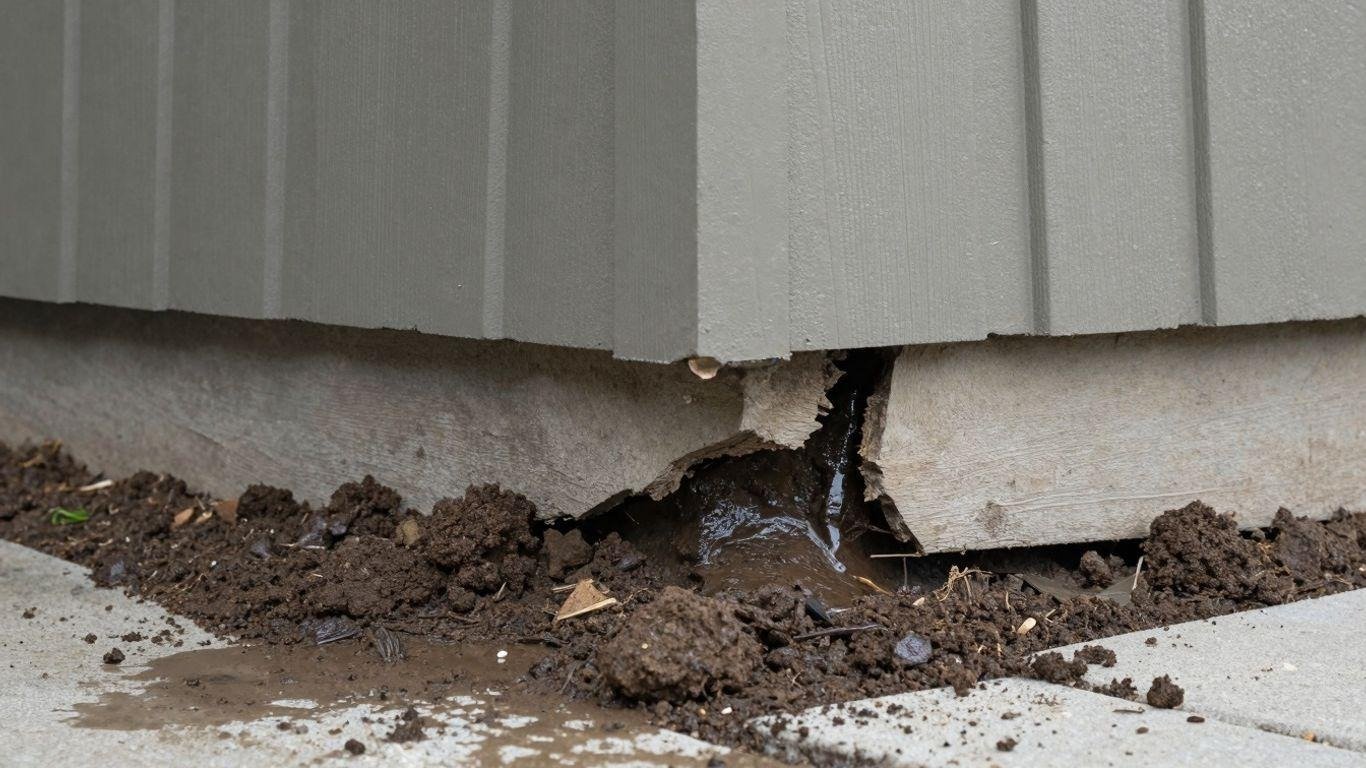
Monsoon Season and Flash Flooding Challenges
Henderson’s desert climate brings a unique challenge: intense monsoon seasons. When the rain does come, it often arrives in powerful bursts, leading to flash flooding. This rapid influx of water can overwhelm drainage systems and landscape grading, pushing water into homes, especially in lower-lying areas. This kind of water intrusion can quickly become serious. Homeowners often search for solutions related to water damage Henderson during these severe weather events, especially as experts like Paul Davis Restoration emphasize the importance of fast, professional cleanup to prevent structural and mold-related issues.
The speed of flash flooding means quick action is vital. Water can enter your home before you even realize it’s a problem. Understanding this risk is the first step in protecting your property from the unpredictable nature of desert storms. This type of flooding often involves contaminated water, making professional cleanup necessary.
Hard Water’s Impact on Plumbing Systems
Southern Nevada is known for its hard water, meaning it’s packed with minerals. Over time, these minerals build up inside your pipes, a process called scaling. This buildup restricts water flow and can lead to corrosion, making your plumbing more prone to leaks and bursts. Even your water heater isn’t immune; sediment can collect there, leading to failure and leaks.
This constant mineral assault on your plumbing means that even seemingly minor issues can escalate. Regular checks of your plumbing system are a smart move for any Henderson homeowner. Addressing hard water’s effects proactively can prevent bigger headaches down the line.
Aging Infrastructure in Established Neighborhoods
While Henderson is growing, many of its established neighborhoods feature older homes. The plumbing systems in these houses might be original and nearing the end of their lifespan. Pipes can corrode, joints can weaken, and fixtures can fail simply due to age.
Ignoring the age of your home’s plumbing is a gamble. Proactive inspections and timely replacement of aging pipes and fixtures can prevent a sudden, catastrophic failure. This is especially important when considering the added stress from hard water and potential monsoon flooding. Taking care of your plumbing is key to avoiding water intrusion.
Recognizing the Severity of Water Damage
Category 1: Clean Water Intrusion
Clean water intrusion starts from a sanitary source. Think a leaky pipe under the sink or maybe an overflowing bathtub. It’s the best-case scenario, but don’t get too comfortable. This clean water can turn nasty fast if it sits around. It can start to break down building materials and become a breeding ground for mold within just a couple of days.
The key is acting quickly. Even clean water can cause problems if left unchecked. It might seem minor, but that water can seep into floors, walls, and even your foundation. Addressing it right away prevents bigger headaches down the road.
It’s important to remember that even Category 1 water damage needs attention. Ignoring it can lead to secondary issues that are much harder and more expensive to fix.
Category 2: Grey Water Contamination
Grey water comes from sources that are less than ideal. This includes things like washing machine discharges or dishwasher overflows. It’s not sewage, but it’s definitely contaminated. This type of water can contain chemicals, detergents, and other things that aren’t good for you.
Ingesting grey water can make people sick. That’s why it’s treated with more caution than clean water. The longer it sits, the more bacteria can grow, making the situation worse.
Professional help is usually needed for grey water. They have the right gear to clean and sanitize the area properly. Trying to handle it yourself might not get rid of all the contaminants.
Category 3: Black Water Hazards
Black water is the worst kind of water intrusion. This is seriously contaminated water. We’re talking sewage backups, floodwaters from rivers, or any stagnant water that’s been sitting for a long time. It’s full of dangerous bacteria and pathogens.
Exposure to black water can cause severe illness. It’s not something to mess with. If you suspect black water has entered your home, you need to get out and call professionals immediately.
This type of water damage requires specialized equipment and safety protocols. Professionals will use protective gear and advanced cleaning methods to make the area safe again. Ignoring black water hazards can have long-term health consequences.
The Professional Water Damage Restoration Process
When water intrudes into a Henderson home, acting fast is key. Professionals follow a structured approach to tackle the mess and get things back to normal. This process aims to remove water, dry out the structure, and clean up any contamination.
Immediate Steps for Water Intrusion
The first moments after discovering water damage are critical. Professionals will arrive quickly to assess the situation. They start by extracting any standing water using powerful equipment. This stops the water from spreading further into walls and floors.
- Initial Assessment: A quick inspection to see how bad the water damage is.
- Water Extraction: Removing all visible water with specialized pumps and vacuums.
- Containment: Setting up barriers to prevent water from moving to unaffected areas.
This initial phase is all about stopping the problem from getting worse.
Minimizing Property Loss and Mold Growth
After the bulk of the water is gone, the focus shifts to drying. Hidden moisture in materials like drywall and insulation can cause big problems later. Professionals use air movers and dehumidifiers to pull this moisture out.
- Drying: Using equipment to dry out all affected building materials.
- Dehumidification: Lowering humidity levels to prevent mold and mildew.
- Cleaning: Sanitizing surfaces to kill bacteria and prevent mold growth.
Mold can start growing in as little as 24 to 48 hours, so this step is very important for preventing secondary damage.
Ensuring a Faster Return to Normalcy
The final stage involves repairs and restoration. This means putting everything back the way it was before the water damage. Professionals will replace damaged materials, repaint, and make sure the home is safe and healthy again.
- Material Replacement: Swapping out damaged drywall, flooring, or insulation.
- Odor Removal: Using special treatments to get rid of any lingering musty smells.
- Final Inspection: A check to make sure the restoration is complete and the home is ready to live in.
This systematic approach to water damage restoration helps Henderson homeowners recover quickly.
Proactive Measures to Prevent Water Damage
The Role of Sump Pumps in Henderson Homes
Many homes in Henderson benefit from a sump pump. This device is a lifesaver when it comes to managing groundwater. It sits in the lowest part of a basement or crawl space, ready to collect and pump away water that might otherwise flood the area. A properly functioning sump pump is your first line of defense against basement water intrusion. Without one, even minor groundwater issues can quickly escalate into significant problems, potentially damaging foundations and finishes.
Essential Sump Pump Maintenance
Regular checks are key to keeping your sump pump in good working order. Homeowners should test it at least a few times a year, especially before the rainy season. This involves pouring a bucket of water into the sump pit to see if the pump activates and discharges the water effectively. Also, check the discharge pipe to make sure it’s clear of debris and not frozen. Keeping the pit clean and free of sediment is also important. This simple maintenance helps prevent unexpected failures when you need it most.
Backup Systems for Power Outages
Power outages can happen at any time, and unfortunately, they often coincide with severe weather that might trigger your sump pump. If the power goes out, your primary sump pump stops working. This is where a backup system becomes vital. Options include a battery-powered sump pump or a water-powered backup. These systems kick in automatically when the power fails, giving you peace of mind that your home remains protected. Investing in a backup system is a smart move for any Henderson homeowner concerned about water damage.
Addressing Foundation Water Damage
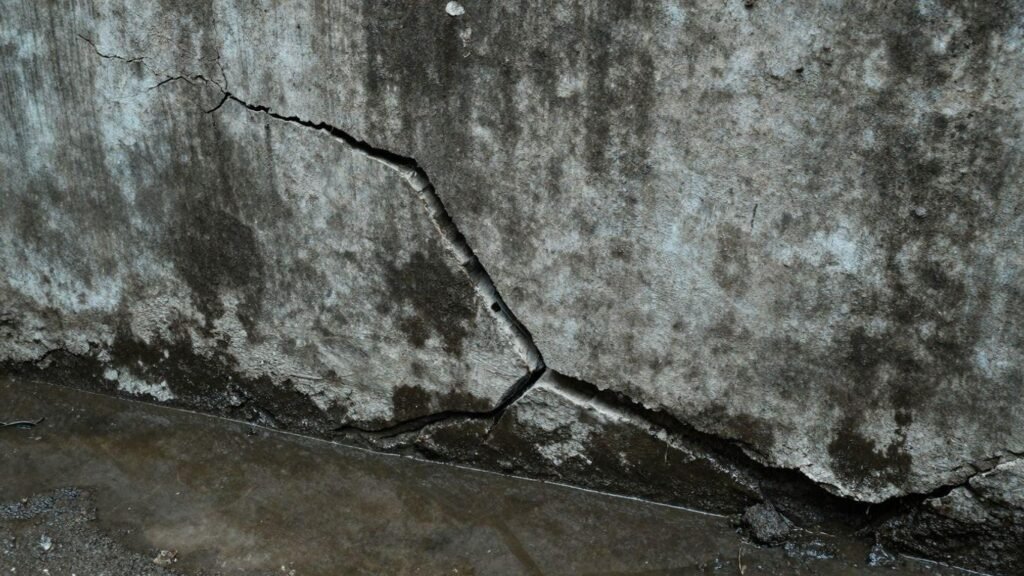
Signs of Foundation Water Intrusion
Water can be a sneaky enemy to a home’s foundation. Even concrete, which looks solid, has tiny pores that allow moisture to seep in. This is especially true in Henderson, where soil conditions and occasional heavy rains can create a perfect storm for water intrusion. Homeowners should keep an eye out for a few key indicators. Warping walls, for instance, can signal that moisture is affecting the foundation materials, causing them to expand and contract. You might also notice cracks appearing on interior walls or floors, which can start small but grow if the water problem isn’t addressed. A persistent musty smell in basements or visible mold and mildew on foundation walls are also red flags. These aren’t just cosmetic issues; they point to a deeper moisture problem that needs attention.
Another sign that water might be affecting your foundation is when doors and windows start sticking or becoming difficult to open and close. This often happens when the foundation shifts or settles due to water saturation. Wet spots or discoloration on walls and floors are also direct evidence of water intrusion. It’s important to remember that the speed at which water damage occurs can vary. While some minor moisture issues might take months or even years to become apparent, significant damage, especially from hydrostatic pressure damage, can happen much faster, sometimes within 72 hours during severe weather events. Early detection is key to preventing more extensive and costly repairs.
Here are some common signs to watch for:
- Warping or bulging walls
- Cracks in foundation walls, floors, or ceilings
- Mold or mildew growth
- Musty odors in basements or crawl spaces
- Sticking doors and windows
- Visible water stains or dampness on surfaces
Repairing Foundation Damage Effectively
When water damage to the foundation is identified, prompt and effective repair is crucial. The approach to fixing foundation water damage depends heavily on the extent and nature of the problem. For minor issues, like small cracks, specialized epoxy or polyurethane injections can seal the openings and prevent further water seepage. However, if the damage is more significant, involving structural compromise or extensive water intrusion, more robust solutions are needed. This might include installing interior or exterior drainage systems, such as French drains, to redirect groundwater away from the foundation. Waterproofing membranes applied to the exterior of the foundation walls can also create a barrier against moisture.
In cases where hydrostatic pressure damage is a major concern, addressing the soil saturation around the foundation is paramount. This can involve improving yard grading to ensure water flows away from the house and maintaining clean, functional gutters and downspouts that direct water at least 10 feet away from the foundation. For homes in areas prone to significant water buildup, a properly functioning sump pump system is often a necessary component of foundation protection and repair. It’s generally recommended to consult with a qualified foundation repair specialist to accurately diagnose the problem and implement the most effective repair strategy. DIY fixes might seem appealing, but they often don’t address the root cause and can lead to recurring issues.
The Cost of Neglecting Foundation Issues
Ignoring signs of water intrusion and foundation damage can lead to significantly higher costs down the line. What might start as a minor crack or a damp spot can escalate into major structural problems if left unaddressed. The constant pressure from saturated soil, known as hydrostatic pressure damage, can weaken the foundation over time, leading to more extensive cracking, settling, and even bowing of foundation walls. This structural compromise can affect the entire home, leading to issues like uneven floors, cracked drywall, and problems with doors and windows.
Beyond the structural repairs, neglecting foundation water damage can also lead to secondary problems like mold and mildew growth. Mold thrives in damp environments and can spread quickly within a home, posing serious health risks to occupants and causing further damage to building materials. The cost of mold remediation can be substantial, often exceeding the initial cost of foundation repair. Furthermore, a compromised foundation can decrease the overall value of a home, making it harder to sell and potentially requiring costly repairs before a sale can be completed. Addressing foundation water damage promptly is an investment in the long-term health, safety, and value of the property.
When to Call for Professional Water Damage Help
The Importance of Rapid Response Teams
Water damage can happen fast. When it does, every minute counts. A quick response team can get to your Henderson home fast. They know what to do right away to stop more damage. This means less mess and less worry for you.
Waiting too long can make things much worse. Water can spread into walls and under floors. It can also start mold growth very quickly, sometimes in just a day or two. Having a team ready to go can make a big difference in how much is saved.
Don’t delay when you see water where it shouldn’t be. A rapid response team is your best bet for minimizing the impact of water intrusion.
Understanding Insurance Coverage for Water Damage
Homeowner’s insurance can be confusing. Most policies cover sudden events like a pipe bursting. But they might not cover damage from slow leaks or poor upkeep. Flood damage from storms usually needs a separate policy.
It’s smart to check your policy. Know what’s covered before a problem happens. If you have water damage, call your insurance company right away. They will tell you what steps to take next.
We can help work with your insurance provider. This can make the claims process smoother for you.
Identifying the Source of Lingering Odors
That musty smell after water damage is a big clue. It often means mold or mildew has started growing. This happens because of the extra moisture left behind.
Professionals use special tools and treatments. They can find where the moisture is hiding. Then, they clean and dry everything properly. This gets rid of the smell and stops mold from coming back.
Don’t ignore bad smells. They are a sign that water damage might still be a problem, even if you can’t see it.
Don’t Let Water Damage Linger
Water intrusion in Henderson homes isn’t just an inconvenience; it can lead to serious structural issues and health concerns if not addressed promptly. Whether it’s the result of our unique desert climate’s intense storms, hard water causing pipe problems, or simply aging infrastructure, recognizing the signs and acting fast is key. Homeowners should stay vigilant for leaks, damp spots, or unusual smells. When water damage does occur, remember that professional restoration services, especially those familiar with Henderson’s specific challenges and certified by bodies like the IICRC, are your best bet for a thorough and safe cleanup. Taking swift, informed action protects your home and your peace of mind.