Viltnemnda: Balancing Conservation and Community Interests
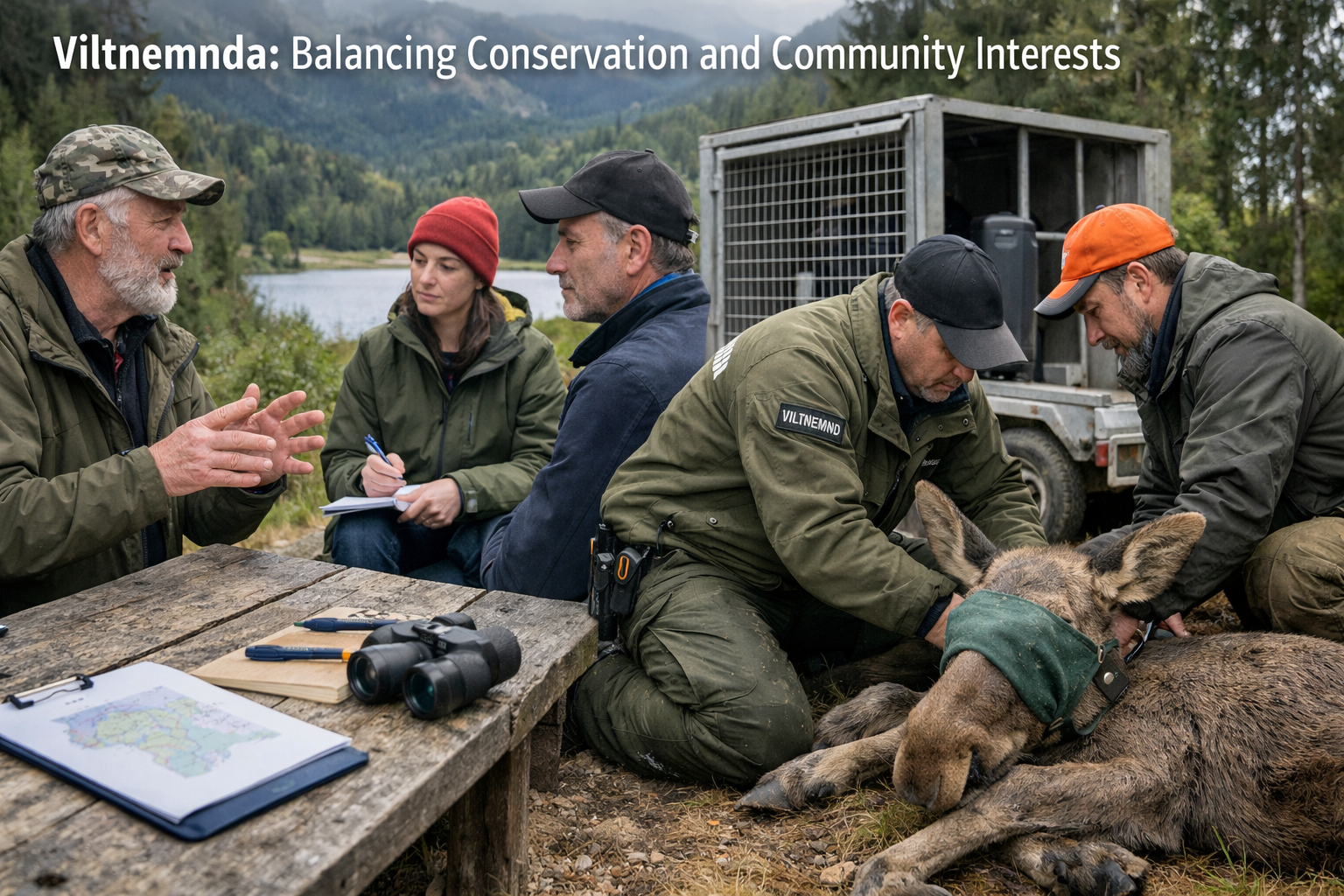
As our world grapples with the delicate balance between nature and human development, Viltnemnda emerges as a pivotal force in wildlife management. This unique body plays an essential role in ensuring that both conservation efforts and community interests thrive side by side. With increasing encounters between humans and wildlife, understanding how Viltnemnda operates is crucial for fostering coexistence. Dive into the intricate workings of this organization to discover its significance in shaping sustainable practices that benefit both wildlife and local communities alike.
Understanding Viltnemnda: Purpose and Importance
Viltnemnda serves as a vital link between wildlife conservation and community needs. Its primary purpose is to manage wildlife populations effectively while addressing the interests of local residents.
By balancing ecological health with human activities, Viltnemnda ensures that both nature and communities can coexist harmoniously. This organization plays an essential role in guiding sustainable practices that protect biodiversity while also considering economic and social factors important to people living alongside these natural habitats.
Legal Framework of Viltnemnda
The legal framework of Viltnemnda is rooted in national wildlife laws and regulations, ensuring that conservation efforts align with community interests. This structure provides guidelines for managing wildlife populations sustainably.
Under this framework, local authorities are empowered to make decisions regarding hunting quotas and habitat protection. These laws aim to balance ecological integrity with human needs, promoting a cooperative approach in the management of natural resources.
Managing Human-Wildlife Conflict
Managing human-wildlife conflict is essential for fostering coexistence. When wildlife encroaches on human habitats, it can lead to fear and harm. Effective strategies involve education about wildlife behavior and promoting safe practices.
Community involvement plays a crucial role in mitigating these conflicts. Engaging locals in conservation efforts helps develop understanding and respect for nature. Solutions like proper waste disposal or secure fencing can reduce unwanted encounters, ultimately benefiting both humans and wildlife alike.
Structure, Composition, and Decision-Making at Viltnemnda
Viltnemnda is structured to include diverse stakeholders, ensuring a balanced representation of interests. This composition typically features wildlife experts, local community members, and government officials. Each participant brings unique insights that enrich discussions.
Decision-making within Viltnemnda often relies on consensus-building strategies. Regular meetings foster collaboration and transparency among members. By engaging in open dialogue, the group navigates complex wildlife management issues effectively while considering both conservation goals and community needs.
Key Responsibilities and Tasks
Viltnemnda plays a vital role in managing wildlife populations and ensuring biodiversity. They assess species health, monitor habitats, and work to maintain balanced ecosystems. These responsibilities help prevent overpopulation and extinction risks.
Additionally, Viltnemnda manages hunting permits and regulations. They analyze data on animal populations and set sustainable quotas. This ensures that both conservation efforts and community interests are considered in decision-making processes regarding local wildlife management.
Technology in Wildlife Management
Technology is reshaping wildlife management in remarkable ways. From GPS tracking collars to remote camera systems, these tools enhance our understanding of animal behavior and migration patterns.
Innovative software helps analyze data collected from the field, offering insights into population dynamics and habitat use. Drones assist with monitoring hard-to-reach areas, ensuring conservation efforts are more effective than ever before. By integrating technology, Viltnemnda can address challenges while promoting sustainable practices for both wildlife and local communities.
Engaging Local Communities
Engaging local communities is essential for the success of Viltnemnda’s initiatives. By involving residents in wildlife management, they can share their insights and experiences, leading to more effective conservation strategies.
Workshops, meetings, and educational programs foster a sense of ownership among community members. Understanding local culture and traditions allows Viltnemnda to develop tailored approaches that respect both wildlife needs and human activities. This collaboration ultimately strengthens relationships between people and nature while promoting sustainable practices.
Handling Roadkill and Injured Wildlife
Roadkill and injured wildlife present significant challenges for Viltnemnda. Addressing these issues promptly helps minimize suffering and maintain ecological balance. Local authorities often collaborate with wildlife rehabilitation centers to ensure proper care for affected animals.
When roadkill is reported, quick action is essential. Removing carcasses from roadways prevents further accidents and promotes safer driving conditions. Engaging the community in reporting incidents can foster greater awareness of local wildlife, ultimately supporting conservation efforts across the region.
Wildlife Damage Compensation
Wildlife Damage Compensation is a vital aspect of balancing conservation efforts with community needs. It provides financial support to landowners and farmers who experience losses due to wildlife interactions. This system encourages coexistence by alleviating economic burdens.
Claim processes are typically straightforward, requiring documentation of damage and proof of the incident. By compensating affected parties, Viltnemnda fosters goodwill between communities and wildlife management authorities while promoting sustainable practices that benefit both people and nature.
Municipal Nature Office’s Role
The Municipal Nature Office plays a vital role in the management of local wildlife and natural resources. It acts as a bridge between Viltnemnda and the community, ensuring that conservation efforts align with public interests.
By providing essential data and guidance, the office helps implement sustainable practices. This collaboration fosters better understanding among residents about wildlife issues while promoting responsible stewardship of nature. Engaging with citizens allows for more effective solutions to challenges arising from human-wildlife interactions.
Sustainable Hunting Practices
Sustainable hunting practices are essential for maintaining a healthy balance in ecosystems. By regulating hunting seasons and quotas, Viltnemnda ensures that wildlife populations remain stable while allowing hunters to enjoy the outdoors responsibly.
These practices also emphasize ethical behavior among hunters. Respecting animal welfare and adhering to local regulations reduces negative impacts on species diversity. Promoting education about sustainable techniques fosters a culture of respect toward nature, benefiting both the environment and future generations of hunters.
Challenges in Wildlife Management
Wildlife management faces numerous challenges that can complicate conservation efforts. Habitat loss due to urbanization and agriculture often leads to conflicts between people and animals. This friction can escalate, resulting in negative outcomes for both sides.
Additionally, climate change affects species migration patterns and food sources, creating unpredictable scenarios for wildlife managers. Balancing ecological health with community needs remains a delicate task requiring innovative solutions and collaboration across various sectors. The complexity of these issues calls for ongoing attention and adaptation.
Future Trends and Opportunities
Emerging technologies are set to revolutionize how Viltnemnda operates. Innovations like drones and AI can enhance wildlife monitoring, enabling quicker responses to threats while ensuring better data collection for decision-making.
Additionally, fostering partnerships with local communities opens up new opportunities for conservation efforts. Engaging residents in wildlife management not only builds trust but also encourages sustainable practices that benefit both nature and society. Embracing these trends will be crucial as challenges evolve within the ecosystem.
Conclusion: Viltnemnda’s Crucial Role in Wildlife Conservation
Viltnemnda plays a vital role in the delicate balance between wildlife conservation and community needs. Its proactive approach ensures that both ecosystems and local interests are respected. By engaging with residents, leveraging technology, and tackling challenges head-on, Viltnemnda shapes a sustainable future for wildlife management.
Its commitment to harmonizing human activities with nature is commendable, paving the way for healthy interactions between communities and their natural surroundings. As we face evolving environmental challenges, the initiatives of Viltnemnda will be crucial in guiding responsible stewardship of our shared landscapes. Through collaboration and innovation, it stands as a beacon for effective wildlife conservation efforts everywhere.