Unlocking Your Potential: The Ultimate Guide to Choosing the Right Masters Degree for Your Career
Choosing the right masters degree is more than just selecting a field of study—it’s a decision that can shape the trajectory of your career, influence your earning potential, and define your personal growth for years to come. With so many programs available worldwide, from business and technology to arts and healthcare, making an informed decision can feel overwhelming. This guide will help you navigate the process and align your educational path with your professional aspirations.
Understand Your Career Goals
Before diving into program options, it’s crucial to understand what you want from your career. Are you looking to climb the corporate ladder, switch industries, or deepen your expertise in a specific area? For example, pursuing a masters degree in business is ideal for those aiming for leadership roles, while a Master of Science in Data Analytics suits individuals who want a technical edge in the technology sector.
Take time to evaluate your strengths, interests, and long-term goals. Write down a clear picture of where you see yourself in five to ten years. Having this clarity will serve as a compass when comparing programs and universities.
Research Different Types of Masters Programs
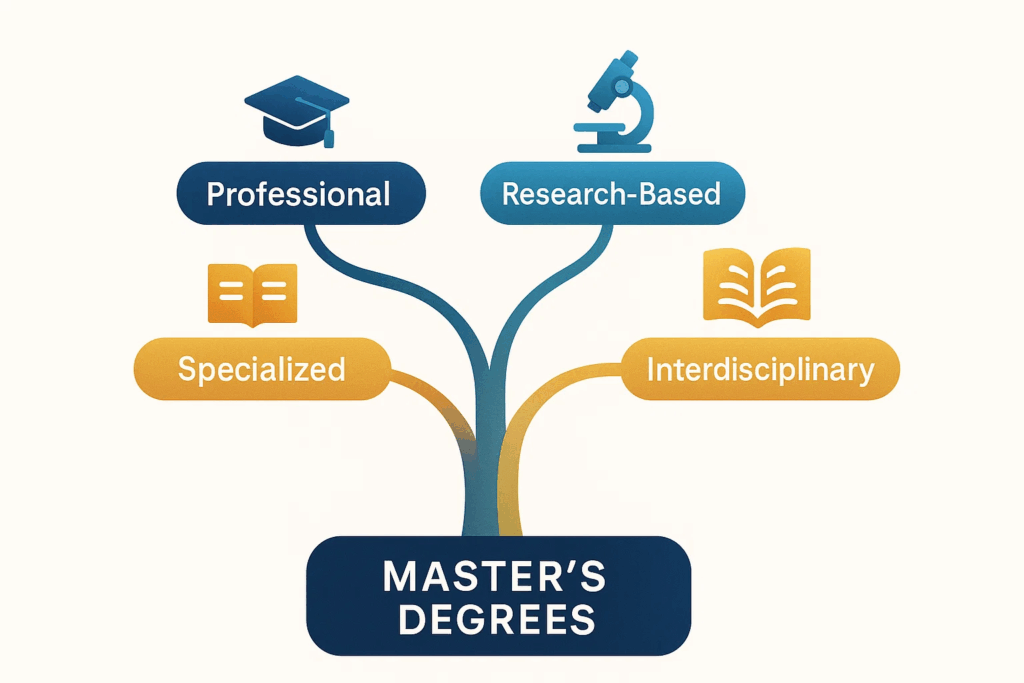
Masters programs vary widely in structure, focus, and delivery method. Here are the main types to consider:
- Coursework-Based Programs: These programs emphasize structured classes, lectures, and assignments. They are ideal for individuals seeking a well-rounded education in their field.
- Research-Based Programs: Focused on independent study and thesis work, research-based programs are perfect for those considering academic or research-oriented careers.
- Professional Programs: Tailored for immediate application in the workplace, these programs often include practical projects, internships, and industry collaboration.
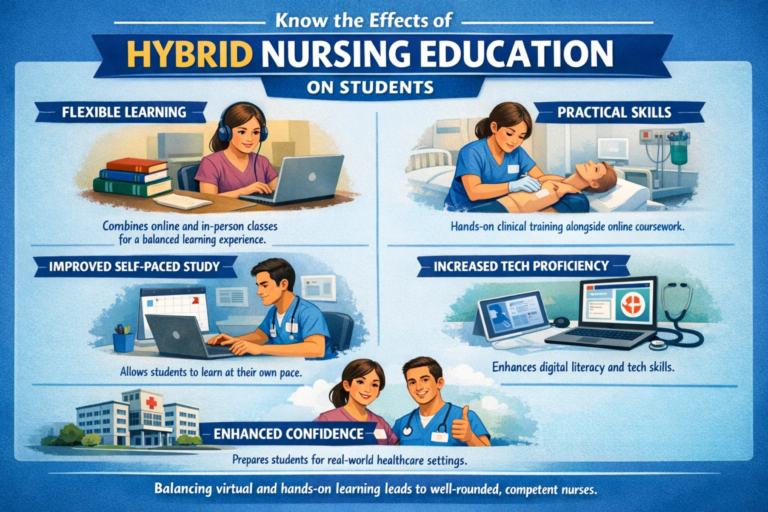
- Hybrid or Part-Time Programs: Designed for working professionals, these programs offer flexibility and allow students to gain practical experience alongside academic learning.
Understanding these distinctions will help you select a program that aligns with your learning style and career objectives.
Evaluate the Curriculum and Specializations
Even within the same degree, the curriculum can vary significantly between institutions. Examine course offerings, specializations, and elective options. For example, a Master’s in Marketing may offer concentrations in digital marketing, brand management, or consumer analytics. Choosing the right specialization within your masters degree can give you a competitive edge in your chosen industry.
Additionally, consider programs that offer practical experiences such as internships, case studies, or capstone projects. These opportunities allow you to apply theoretical knowledge in real-world settings, which can be invaluable when transitioning into a new role or industry.
Consider Reputation and Accreditation
The reputation of the university and accreditation of the program can have a lasting impact on your career. Employers often look for candidates from well-known institutions, and accreditation ensures that the program meets industry standards.
Research global and national rankings, but don’t rely solely on them. Speak to alumni, read student reviews, and connect with current students to get an insider perspective. A program’s reputation is not just about prestige—it’s also about the quality of education, faculty expertise, and the strength of its professional network.
Factor in Cost and Return on Investment
Higher education is an investment, so understanding the financial implications is crucial. Tuition fees, living expenses, and additional costs like textbooks and technology can add up quickly. Compare these costs with potential salary increases and career advancement opportunities after graduation.
Scholarships, assistantships, and flexible payment plans can ease financial pressure. Consider programs that offer strong career support services, as they can help you secure high-paying positions, making your masters degree investment worthwhile in the long run.
Location and Learning Environment
The location of your program plays a significant role in your overall experience. Studying in a metropolitan area may offer more networking and internship opportunities, whereas smaller cities might provide a quieter, more focused learning environment.
Additionally, evaluate whether you prefer in-person, online, or hybrid learning. While online programs offer flexibility, in-person interactions can be valuable for networking, mentorship, and hands-on learning. Choose an environment that complements your personal and professional life.
Assess Networking and Career Support
One of the most overlooked aspects of a master’s program is the strength of its alumni network and career support services. A strong professional network can open doors to opportunities that might not be advertised publicly.
Look for programs that offer career counseling, mentorship, and job placement services. Attend open houses, webinars, or networking events to gauge how actively the university supports student success. Programs with strong industry ties often give students access to internships, projects, and job opportunities that can accelerate career growth.
Reflect on Personal Growth Opportunities
A master’s degree is not just about skills and knowledge—it’s also about personal development. Consider programs that challenge you, expose you to diverse perspectives, and foster critical thinking. A stimulating environment encourages creativity, resilience, and leadership qualities, which are invaluable in any career.
Ask yourself: Will this program push me out of my comfort zone? Will it broaden my perspective and enhance my ability to solve complex problems? These factors often contribute as much to long-term career success as technical expertise.
Make an Informed Decision
Once you’ve gathered all the information, create a comparison chart to evaluate programs based on curriculum, cost, location, flexibility, and career support. Speak with mentors, colleagues, or industry professionals to validate your choice. Remember, the right masters degree program should align with both your professional goals and personal growth aspirations.
Finally, trust your instincts. While data and rankings are helpful, your motivation, passion, and commitment will ultimately determine the success of your master’s journey.