Understanding Tympanoplasty: A Guide to Eardrum Repair
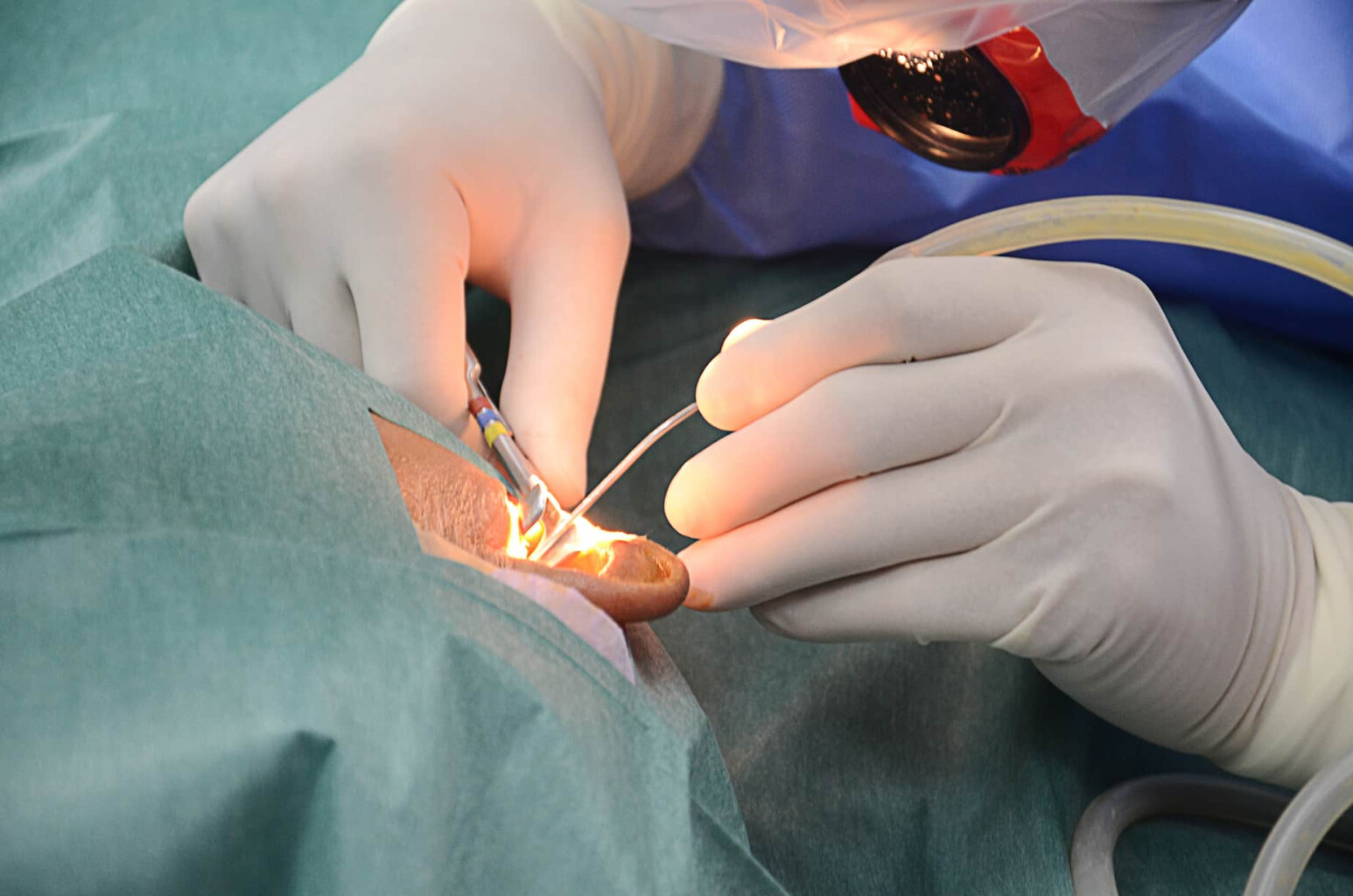
A hole in your eardrum can affect your hearing. It can also lead to frequent ear infections. This condition is known as a ruptured or perforated eardrum. Small holes might heal on their own. Larger holes often require a surgical procedure. Tympanoplasty is a surgery to repair a damaged eardrum. This procedure helps restore hearing. It also protects the middle ear from infections.
This post will guide you through tympanoplasty. We will explore what the procedure involves. You will learn about the benefits and potential risks associated with this approach. We will cover the recovery process and essential aftercare. Understanding this surgery can help you make informed decisions about your ear health.
What is a Tympanoplasty?
Tympanoplasty is a surgical procedure that repairs the eardrum, also known as the tympanic membrane. Your eardrum is a thin tissue. It separates your outer ear from your middle ear. It vibrates when sound waves hit it. These vibrations are necessary for hearing. A hole in the eardrum disrupts this process. This can cause hearing loss. It also leaves the middle ear vulnerable to bacteria and water.
An otolaryngologist, or ENT specialist, performs this surgery. The goal is to patch the hole in the eardrum. This restores the barrier between the outer and middle ear. It also reconstructs the sound-conducting mechanism. The surgery can improve hearing and prevent recurring ear infections.
Why is Tympanoplasty Necessary?
You might need a tympanoplasty for several reasons. Chronic ear infections are a common cause. These infections can damage the eardrum over time. Trauma or injury to the ear can also cause a perforation. This could happen from a foreign object. It might result from a head injury. Sudden pressure changes, like those from scuba diving or flying, can also rupture an eardrum.
Sometimes, a ruptured eardrum does not heal properly on its own. A persistent hole can lead to complications. These include chronic ear drainage, repeated infections, and progressive hearing loss. In some cases, a skin cyst called a cholesteatoma can form behind the eardrum. This requires surgical removal. Tympanoplasty addresses these issues by closing the perforation.
The Tympanoplasty Procedure
Understanding the surgical process can ease concerns. Your surgeon will explain everything in detail. Preparation and the procedure itself follow a structured plan.
Preparing for Surgery
Your preparation begins with a thorough evaluation. Your doctor will examine your ear. An otoscope helps view the eardrum and the perforation. You will likely have a hearing test (audiogram). This measures your current level of hearing. A tympanometry test may be done. It checks the function of your eardrum.
Your surgeon will review your medical history. You will discuss any medications you take. You may need to stop certain medications, like blood thinners, before surgery. Your doctor will provide instructions on when to stop eating and drinking. You will also need to arrange for someone to drive you home after the procedure.
During the Surgery
Tympanoplasty is usually performed under general anesthesia. You will be asleep during the entire operation. The procedure can take from 30 minutes to a few hours. The duration depends on the complexity of the repair.
The surgeon accesses your eardrum. This can be done through the ear canal (transcanal approach). Sometimes a small incision is made behind the ear (postauricular approach). The choice of approach depends on the size and location of the hole.
Next, the surgeon prepares a graft. A graft is a small piece of tissue used to patch the hole. This tissue is often taken from your own body. Common sources include the fascia (connective tissue) from a muscle near your temple or cartilage from your outer ear. Using your own tissue reduces the risk of rejection.
The surgeon carefully places the graft over the perforation. A special packing material, like a dissolvable sponge, holds the graft in place. This material supports the eardrum as it heals. The packing dissolves on its own over several weeks. Finally, any incisions are closed with stitches.
Recovery and Aftercare
Proper recovery is crucial for a successful outcome. Following your surgeon’s instructions will help ensure your eardrum heals correctly.
What to Expect After Surgery
Most people go home the same day. You may experience some mild pain or discomfort. Over-the-counter pain relievers usually manage this. Your ear may feel stuffy or blocked. Your hearing might seem worse at first. This is normal. It is due to the packing in your ear. Hearing typically improves as the packing dissolves and the eardrum heals. This can take several weeks.
You might notice some bloody drainage from your ear for a few days. A crackling or popping sound is also common. You may feel dizzy for a short period. These symptoms should gradually improve.
Key Aftercare Instructions
Following aftercare rules is vital. These steps protect your healing ear.
- Keep your ear dry. Do not shower or wash your hair for a few days. When you can, place a cotton ball coated with petroleum jelly in your ear to keep water out.
- Avoid blowing your nose. For at least three weeks, avoid forceful nose blowing. If you must sneeze, do it with your mouth open. This prevents pressure buildup in your ear.
- Rest and avoid strenuous activity. Avoid heavy lifting, jogging, or intense exercise for two to four weeks. Your doctor will tell you when it is safe to resume normal activities.
- Do not fly or swim. Avoid air travel and swimming for about a month. These activities create pressure changes that can affect healing.
- Take medications as directed. You may be prescribed antibiotics or ear drops. Complete the full course of medication to prevent infection.
You will have follow-up appointments. The first is usually two to three weeks after surgery. The surgeon will check your ear to see how it is healing. A hearing test is often performed two to three months later to assess the improvement.
Benefits and Risks of Tympanoplasty
Like any surgery, tympanoplasty has benefits and risks. It is important to weigh them.
Significant Benefits
Tympanoplasty is a highly successful procedure. Studies show success rates of over 90 percent.
- Improved Hearing: Repairing the eardrum can restore or improve your hearing ability.
- Infection Prevention: A closed eardrum prevents bacteria and water from entering the middle ear. This reduces the frequency of ear infections and drainage.
- Pain Reduction: Chronic ear pain associated with a perforation often resolves after surgery.
- Enhanced Quality of Life: Better hearing and fewer infections lead to a significant improvement in daily life.
Potential Risks and Complications
Complications from tympanoplasty are rare. The most common issue is graft failure. This means the patch does not take, and the hole reopens. Other potential risks include:
- Worsening of hearing
- Persistent dizziness
- Ringing in the ears (tinnitus)
- Infection
- Change in taste (due to the proximity of a taste nerve)
- Facial nerve injury (extremely rare)
Your surgeon will discuss all potential risks with you before the procedure.
Conclusion: Restoring Connection Through Sound
Tympanoplasty is more than just a medical procedure. It is a pathway to reconnecting with the world. Hearing loss can be isolating. Chronic ear infections can be a constant source of discomfort and worry. By repairing the eardrum, this surgery addresses the physical problem. It also restores a fundamental sense. The ability to hear clearly connects us to conversations, to music, and to the sounds of our environment. It is a vital part of our social and emotional well-being. Choosing to undergo tympanoplasty is a step toward reclaiming that connection. It is an investment in a life with fewer limitations and a richer auditory experience.