Top Ways Content Creators Can Use AI-Generated Songs
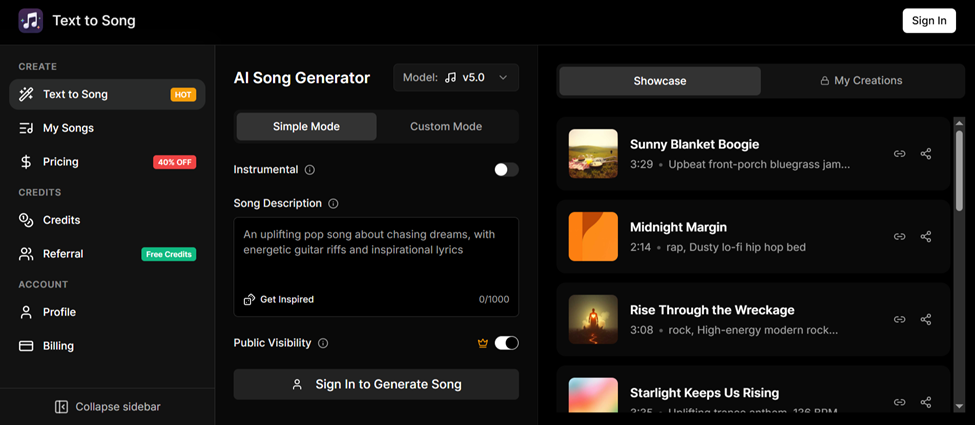
In 2026, digital content creation has become increasingly competitive. Beyond visuals and editing quality, audio elements — particularly music — play a significant role in shaping audience perception and brand identity. Intro themes, background tracks, and signature sounds can contribute to recognition and consistency across platforms.
Traditionally, creators have relied on music producers or stock libraries for their audio needs. However, these options may involve higher costs, licensing limitations, or time-consuming searches. As a result, many creators are exploring AI-powered music generation tools such as Text To Music, which allow users to generate songs from text or lyrics without requiring formal music production skills.
Below are several ways content creators are integrating AI-generated music into their workflows.
1. Custom YouTube Intros and Outros
Intro and outro music contribute to brand recognition on video platforms. Rather than using widely available royalty-free tracks, some creators are generating original theme music tailored to their niche or personality.
For example, a technology-focused channel might opt for an electronic-style intro, while a travel-focused creator may choose cinematic background music. AI music tools enable customization of genre, tone, and lyrical content, allowing creators to align audio branding with their content themes.
2. Audio for Short-Form Video Platforms
Audio trends heavily influence short-form platforms such as TikTok and Instagram Reels. Recognizable or catchy sound clips drive many viral posts.
Instead of relying solely on existing trending audio, creators can experiment with AI-generated hooks or short songs designed for specific audiences. This approach may provide more flexibility when adapting to fast-moving trends.
3. Personalized Songs for Audience Engagement
Audience engagement remains an important factor in creator growth. Some content creators use AI tools to generate personalized songs for followers, such as:
- Birthday messages
- Milestone acknowledgments
- Subscriber appreciation content
- Member-exclusive audio content
Because AI reduces production time, creators can experiment with personalized formats without extensive recording or editing processes.
4. Podcast Theme and Segment Music
Podcasts depend heavily on audio consistency and identity. Theme songs and transition music can help structure episodes and reinforce branding.
Instead of using generic background tracks, some podcasters generate original themes aligned with their show’s tone — whether educational, narrative, or conversational. AI-generated music provides an alternative method for producing these elements without full-scale studio production.
5. Musical Elements in Sponsored Content
In brand collaborations, some creators incorporate short musical segments instead of traditional spoken advertisements. AI-generated jingles or brief musical references may offer a different presentation style compared to standard ad reads.
This format can diversify sponsored content approaches while maintaining creative control over tone and delivery.
6. Background Music for Storytelling Content
Story-driven content — including documentaries, explainer videos, and travel narratives — often relies on background music to shape emotional tone.
AI-generated music allows creators to match mood and pacing more closely to their scripts. Rather than selecting from pre-made libraries, some creators generate music that aligns more precisely with specific scenes or themes.
7. Offering Custom Song Services
Some creators use AI music tools to expand their monetization strategies. This may include offering:
- Personalized celebration songs
- Event-based songs (weddings, anniversaries)
- Custom requests through freelance platforms
By reducing production complexity, AI tools make it more feasible to provide customized music services at scale.
8. Multilingual Music for Broader Reach
As content audiences become increasingly global, creators are exploring multilingual formats. AI music tools can assist in generating songs in different languages or adapting lyrics for regional audiences.
This flexibility may support creators who aim to reach viewers beyond a single language demographic.
The Growing Role of AI Music in Content Creation
AI-generated music does not replace creative direction; rather, it introduces additional tools into the content production process. By lowering technical barriers, these platforms allow creators to experiment with audio branding, personalization, and storytelling approaches more efficiently.
As digital platforms continue to evolve, audio identity remains an important component of differentiation. AI music tools represent one of several emerging technologies influencing how creators design and distribute their content.