The Quiet Power of the Chin in How We See Faces (and Ourselves)
Most people can describe what they like about a face.
Eyes.
Smile.
Skin.
Cheekbones.
Very few mention the chin.
And yet, the chin quietly anchors almost everything. It sets proportion. It influences the profile. It affects how strong, soft, youthful, or balanced a face feels, even when you can’t quite explain why.
This is why chin treatments have slowly moved from being a niche option to a central part of modern facial aesthetics. Not because people suddenly want dramatic changes. More because they’ve started noticing the details that quietly shape the whole picture.
Why The Chin Is Rarely Noticed Until It’s Changed
The chin doesn’t demand attention. It supports it.
It holds the lower face in place.
It influences the jawline.
It determines how the lips and nose read in profile.
It carries visual weight in photos, video calls, and side views.
When it sits in balance, no one comments.
When it doesn’t, something often feels “off,” even if the person can’t name it.
This is where Chin Treatments often enter the conversation. Not from vanity. From observation. A sense that the face doesn’t quite match how someone feels inside or how they remember themselves looking.
And that awareness rarely arrives loudly.
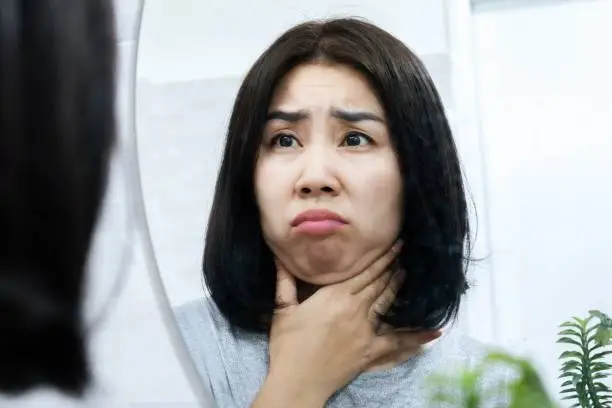
It shows up in photos.
In reflections.
In the way certain angles get avoided.
The Difference Between Changing A Feature And Supporting A Face
There’s a shift happening in aesthetic medicine.
Away from “fixing” features.
Toward supporting structure.
Modern chin treatments are rarely about making a chin bigger. They’re about giving the face a foundation that allows everything else to sit more naturally.
A slightly recessed chin can make the nose look stronger.
A short chin can crowd the lower face.
A weak projection can blur the jawline.
Minor structural adjustments often produce the most noticeable emotional responses, because they don’t shout. They settle.
People usually say things like,
“I look more like myself.”
“Something feels more balanced.”
“I can’t pinpoint it, but I like it.”
Those reactions are not accidents. They’re outcomes of subtle support, not dramatic change.
Why Consultations Matter More Than The Procedure Itself
One of the most misunderstood parts of Chin Treatments is where the real work happens.
It’s not in the syringe.
It’s not in the product choice.
It’s not even in the technique.
It’s in the assessment.
How the chin relates to the lips.
To the nose.
To the neck.
To facial length.
To the bone structure.
To express.
A good consultation often includes profile analysis, movement observation, and discussion that goes beyond the chin entirely.
Because treating the chin in isolation rarely creates harmony. Treating it as part of a system sometimes does.
And that systems view is what separates aesthetic medicine from cosmetic quick fixes.
The Emotional Layer People Don’t Expect
People expect physical change.
They don’t always expect the emotional one.
Yet many who explore Chin treatments talk less about how they look and more about how they feel.
More comfortable being photographed.
Less focused on certain angles.
More relaxed in conversation.
Less aware of their lower face.
These shifts are usually subtle. But subtle changes often free a surprising amount of mental space.
When a feature stops being a quiet distraction, confidence doesn’t need to work as hard.
And that’s not really about appearance. It’s about attention.
Why Modern Chin Work Is Conservative By Design
There was a time when chin enhancement meant obvious projection.
Today, most reputable clinics approach chin treatments with restraint.
Micro-adjustments.
Layered support.
Gradual change.
Review and reassess.
The goal is rarely to create a chin.
It’s to allow the existing one to function better within the face.
Support where structure is lacking.
Refine where shadows fall.
Improve transitions between facial zones.
The result often isn’t “a new chin.”
It’s a face that photographs more evenly.
A jawline that reads more clearly.
A profile that feels less tense.
And most importantly, a change that doesn’t announce itself.
How Expectations Quietly Shape Outcomes
A surprising amount of the success of Chin Treatments depends on expectation.
People who arrive wanting a specific celebrity chin often leave disappointed.
People who arrive wanting balance usually leave content.
This is not about lowering ambition. It’s about aligning it with anatomy.
Faces have limits.
Bone structure sets boundaries.
Soft tissue behaves in specific ways.
Aesthetic planning works best when it respects what is already there, rather than trying to replace it.
Good practitioners spend as much time adjusting expectations as they do adjusting faces.
Because satisfaction often lives in the space between what is possible and what is appropriate.
Why Safety Conversations Matter More With The Chin
The chin is not an empty space.
It contains blood vessels.
Nerves.
Muscle attachments.
Structural support points.
This is why Chin Treatments sit firmly within medical aesthetics, not beauty services.
Assessment.
Product selection.
Injection depth.
Placement strategy.
Emergency preparedness.
All of these shape both outcome and risk.
The chin may appear simple from the outside, but its anatomy demands respect.
And respect, in this context, usually shows up as slower planning, conservative volumes, and a willingness to say no.
The Way Chin Work Often Changes The Rest Of A Treatment Plan
Once the chin is addressed thoughtfully, other areas often behave differently.
Lips may appear fuller without being touched.
The jawline may define itself.
Neck contours may look cleaner.
The lower face may require less product overall.
This is why Chin treatments are increasingly used as starting points, not finishing touches.
They establish a base.
And when a base is supportive, everything built on it tends to require less intervention.
This suits both aesthetic goals and long-term facial health.
The Quiet Link Between Structure and Aging Well
Aging is not just about lines.
It’s about shifting foundations.
Bone resorption.
Soft tissue descent.
Loss of support.
The chin plays a role in all of this.
As support reduces, the lower face can shorten, the jawline can blur, and proportions can change.
Strategic Chin Treatments are sometimes used not to reverse aging, but to slow how visibly it expresses itself.
By maintaining projection.
By supporting transitions.
By preserving balance.
Again, subtle.
Again, quiet.
But cumulative.
Why People Often Describe The Result, Not The Feature
Ask someone who’s had thoughtful chin work done what changed, and many won’t say “my chin.”
They’ll say:
“My face feels more even.”
“I look less tired.”
“My profile doesn’t bother me anymore.”
“I feel more put together.”
This is one of the more interesting aspects of Chin treatments.
They often produce global language from local change.
Which suggests the chin was never really the point.
Balance was.
A Softer Way To Think About Chin-Focused Aesthetics
It can be tempting to frame aesthetic treatments around improvement.
But improvement implies something was wrong.
A more useful frame for Chin treatments is support.
Supporting structure.
Supporting proportion.
Supporting the way features relate to each other.
When that support is added carefully, the face doesn’t become something else.
It becomes easier to inhabit.
And for most people, that’s the real motivation.
Not transformation.
But relief.
The Detail That Often Makes The Difference
In facial aesthetics, dramatic changes catch attention.
Small structural changes hold it.
The chin rarely gets the spotlight. But it often holds the stage.
And as more people become aware of how much influence this one area carries, chin treatments from Kiora Skin are likely to remain less of a trend and more of a tool.
Used quietly.
Planned carefully.
Integrated thoughtfully.
Not to create new faces.
But to help existing ones settle into themselves.