The History Behind Football Shirt Designs: From Stripes to Sponsors
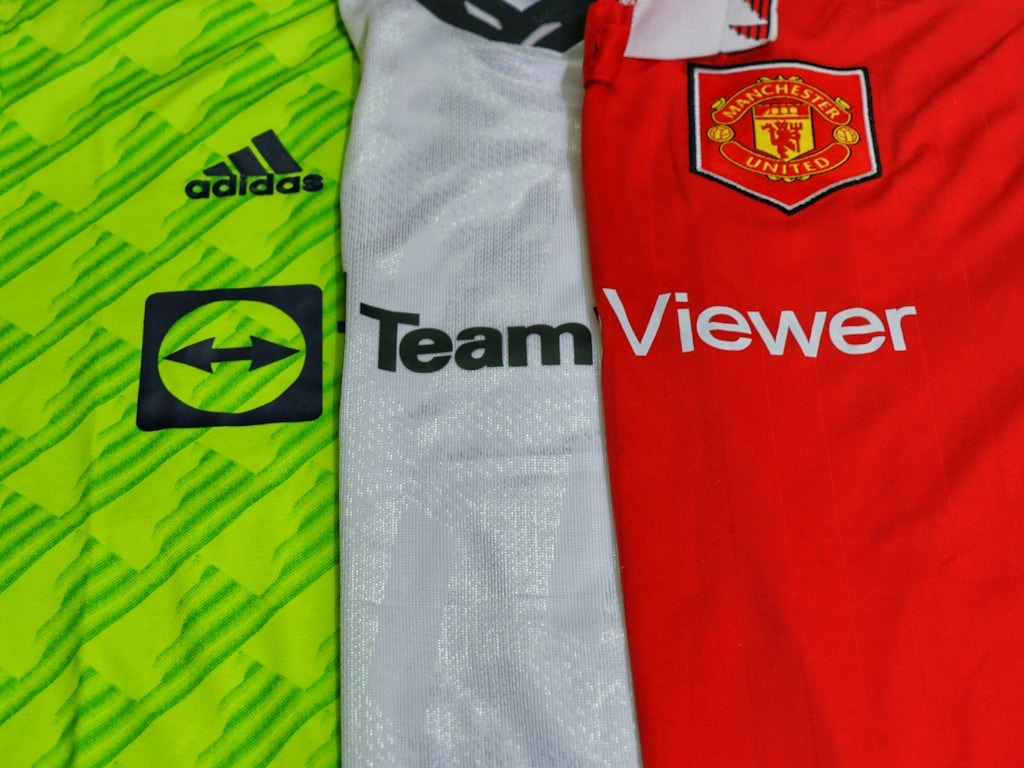
The evolution of football shirt designs reflects a fascinating journey from simple, functional garments to iconic emblems of club identity and commercial collaboration. Over more than a century, innovations in fabric, manufacturing techniques, and branding have transformed what players wear on the pitch. From early solid-color tops to the explosion of bold patterns and sponsor-laden jerseys, each era has contributed distinctive styles that resonate with fans worldwide.
Origins of Football Shirt Designs
The earliest football shirts emerged in the late 19th century, often resembling everyday workwear more than athletic kit. Clubs chose practical fabrics like heavy cotton, prioritizing durability over comfort. In these formative years, shirts were almost always plain, featuring solid colors—often the club’s distinctive hue—and sometimes a simple collar for added structure.
By the turn of the 20th century, teams began to personalize their tops with rudimentary symbols. A stitched cloth patch or hand-painted emblem denoted the club’s identity, forming the precursor to the modern club crest or team badge. While still far from the sleek jerseys of today, these early designs laid the groundwork for the visual language of football apparel.
Evolution of Stripes and Patterns
As football grew in popularity, clubs sought ways to stand out on the pitch. Stripes, hoops, and checks emerged, transforming shirts into vibrant signifiers of heritage. These striped patterns not only improved team recognition during matches but also became powerful marketing tools as fan merchandise gained traction.
Advancements in printing and stitching facilitated increasingly complex motifs. The shift from hand-stitched to machine-embroidered club badge applications allowed for sharper detail and consistent replication. Concurrently, brands experimented with contrasting trims, piping, and even reversible panels to give players multiple looks in one garment.
For authentic replicas and contemporary twists on these classic styles, explore exclusive collections at classic-shirts.com. This platform offers a curated selection of vintage and modern jerseys, featuring limited editions and special releases designed for discerning supporters.
The Introduction of Club Badges and Colors
By the 1920s, adopting distinctive club colors became commonplace. Teams like Celtic and Barcelona cemented their identities in stripes of green and white or blue and garnet, while others embraced bold solids. The introduction of the club badge—often inspired by municipal coats of arms or local symbols—elevated shirts from mere uniforms to emblems steeped in tradition.
Manufacturers began integrating badges directly into the fabric, replacing bulky patches with sleek embroidered or printed logos. This refinement not only reduced weight but also enhanced the aesthetic balance of the jersey. Fans quickly gravitated towards these modern designs, sparking demand for high-quality replicas that bore the same insignia worn by their sporting heroes.
The Rise of Sponsor Logos on Football Shirts
The commercialization of football in the late 1970s introduced a major shift: the arrival of sponsor logos on shirts. Initially modest in size and number, these corporate emblems soon proliferated, becoming central visual elements. Advertisers recognized the global reach of televised matches, leveraging kits as dynamic billboards.
Teams partnered with sponsors ranging from breweries to airlines, integrating bold typography and brand colors into shirt aesthetics. Designers faced the challenge of balancing club identity with commercial messaging, often leading to creative compromises and innovative placement strategies.
Key elements of this transformation include:
- Strategic positioning of sponsor logos to maximize visibility
- Color matching and background panels to preserve logo integrity
- Integration with player names and numbers for cohesive branding
As sponsorship revenues soared, so did the number of corporate partners. Today’s kits often feature multiple back-of-shirt sponsors, sleeve logos, and even collar tags, illustrating how deeply fan merchandise and commercial interests are intertwined.
Technological Advances in Shirt Materials
Modern football shirts represent a pinnacle of textile innovation. Early cotton tops have given way to advanced polyester blends and engineered fabrics designed for peak performance. Moisture management became a focus, with moisture-wicking technology pulling sweat away from the skin to regulate body temperature during high-intensity play.
Additional breakthroughs include:
- Lightweight breathable mesh panels in high-heat zones
- Seamless construction techniques for improved range of motion
- Eco-friendly materials derived from recycled bottles or bio-based polymers
Digital manufacturing methods, such as transfer printing and digital printing, enable vibrant, full-color graphics that resist fading. In parallel, traditional embroidery remains popular for badges and accents, delivering tactility and premium appeal. As sustainability gains traction, brands experiment with organic cotton, bamboo blends, and low-impact dyes to meet growing environmental demands.
Iconic Football Shirt Designs Through the Decades
Certain kits transcend mere uniform to become cultural artifacts. The 1974 West Germany away top with its understated horizontal stripe, Brazil’s 1970 yellow masterpiece, Argentina’s 1986 blue-and-white hoops, and the classic black-and-white stripes of Juventus all exemplify designs that capture a moment in time and endure in fans’ memories.
The 1990s introduced bold experiments: geometric shapes, neon accents, and asymmetrical layouts. Some of these looks were polarizing yet influential, inspiring modern reinterpretations and retro reissues. Clubs today frequently tap into their archives to release retro replicas, appealing to nostalgia while generating fresh revenue streams.
In the current era, collaborations with fashion labels and streetwear brands have blurred the lines between sports kit and lifestyle apparel. Limited-edition drops, often featuring customized typography, special textured finishes, and premium packaging, showcase the enduring power of the football shirt as both a performance tool and a style statement.
From humble cotton ensembles to high-tech performance wear, the history of football shirt design is a testament to creativity, innovation, and commercial evolution. Each stripe, badge, and sponsor logo tells a story—one that continues to unfold with every new season’s latest release.