 By Yaqoub Khan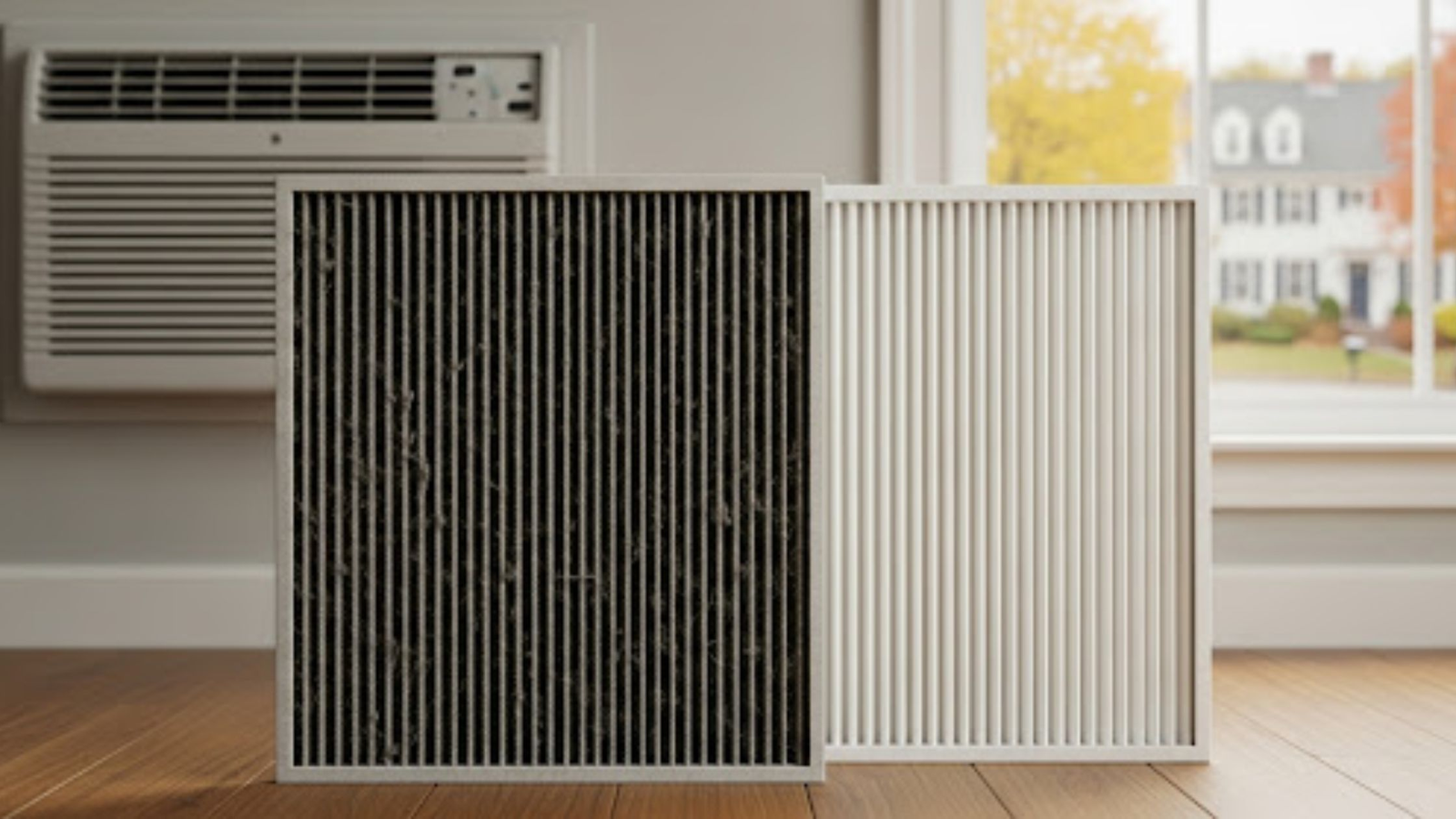
Air conditioning systems are designed to deliver steady comfort, balanced airflow, and consistent temperature control. Over time, however, small maintenance issues can quietly undermine performance without immediate warning signs. Among the most influential yet often overlooked factors are dirty coils and clogged filters. These components play a central role in heat transfer and airflow regulation; when they become contaminated, the entire system must work harder to achieve the same results. Understanding how buildup affects performance helps homeowners and property managers recognize early warning signals, reduce unnecessary strain on equipment, and maintain dependable cooling during periods of heavy use.
How Contamination Disrupts Cooling Efficiency
Evaporator and condenser coils are responsible for absorbing and releasing heat during the cooling cycle. When dust, debris, and residue collect on coil surfaces, heat transfer becomes restricted. The system must run longer cycles to compensate for this reduced efficiency, increasing energy consumption and mechanical stress. Filters clogged with dirt further limit airflow, preventing sufficient air from passing over the coils. In areas where residents rely on air conditioning repair in Wagoner, technicians often encounter systems struggling due to a layered buildup that has developed gradually over time. Addressing contamination early restores balanced operation and prevents escalating performance issues caused by restricted airflow and inefficient heat exchange.
- Airflow Resistance and Temperature Imbalance
When filters become clogged, airflow resistance increases throughout the duct system. This resistance disrupts even temperature distribution, causing some rooms to cool unevenly while others remain warm. Reduced airflow also affects humidity control, making indoor environments feel uncomfortable despite extended run times. As resistance builds, motors and fans work under heavier loads, accelerating wear and increasing the likelihood of component failure. Keeping airflow pathways clear helps maintain stable temperatures and reduces unnecessary strain on internal components.
- System Strain and Energy Consumption
Dirty coils and filters force air conditioning systems to consume more energy to meet cooling demands. Longer runtimes translate into higher electricity consumption and increased operating costs. The system’s compressor, one of its most critical components, may cycle more frequently in response to inefficient heat transfer. Over time, this added workload shortens component lifespan and raises the risk of unexpected breakdowns. Regular cleaning and inspection reduce energy waste and help systems operate within intended performance ranges without excessive cycling.
- Indoor Air Quality Considerations
Filters serve as the first line of defense against airborne particles entering living spaces. When filters are overloaded, they lose effectiveness, allowing dust and allergens to circulate indoors. Dirty coils can also harbor moisture, creating conditions that support microbial growth. These factors contribute to stale odors and reduced air freshness. Maintaining clean filters and coils helps maintain healthier indoor environments and ensures conditioned air remains clean and evenly distributed throughout the space.
- Maintenance Timing and Seasonal Demands
The impact of dirty components often becomes more noticeable during peak cooling seasons. As outdoor temperatures rise, systems operate for longer periods, magnifying the effects of restricted airflow and reduced heat transfer. Minor buildup that seemed insignificant in mild weather can quickly escalate into performance issues under sustained heat. Scheduling inspections before seasonal demand increases allows technicians to proactively address contamination. Timely maintenance ensures systems are prepared for heavier workloads without compromising efficiency or comfort.
- Long-Term Performance Stability
Consistent attention to coil and filter cleanliness supports long-term system reliability. Clean components reduce vibration, minimize temperature fluctuations, and allow systems to respond predictably to thermostat settings. Over time, this stability leads to fewer service interruptions and more stable operating costs. Systems maintained with clean airflow pathways are better equipped to handle daily demands without excessive wear. By addressing dirt accumulation early, property owners preserve performance integrity and reduce the likelihood of costly repairs tied to prolonged neglect.
- Preventing Moisture-Related Component Damage
Dirty coils often trap moisture instead of allowing proper condensation drainage, which creates lingering damp conditions inside the unit. When moisture combines with dust and debris, it accelerates corrosion on metal components and weakens insulation around wiring. Over time, this environment can lead to rusted coil fins, compromised drain pans, and deteriorating electrical connections. Excess moisture may also drip into areas not designed to handle water exposure, increasing the risk of internal damage. Clean coils promote proper condensation flow, allowing moisture to exit the system efficiently. By reducing prolonged dampness inside the unit, regular cleaning helps preserve internal materials and supports steady operation without introducing hidden damage that slowly undermines performance.
Dirty coils and clogged filters may appear minor, but their impact on air conditioning performance is substantial. Restricted airflow, inefficient heat transfer, increased energy consumption, and declining indoor air quality often stem from these overlooked components. Maintaining cleanliness supports balanced operation, protects internal parts, and promotes consistent comfort throughout the cooling season. Proactive maintenance enables air conditioning systems to operate as intended, delivering reliable performance while minimizing strain. Recognizing the role of clean coils and filters helps ensure long-term efficiency, comfort, and dependable operation year after year.