Step-by-Step Kitchen Remodel Process: Planning Layouts, Selecting Cabinets, Countertops, and Flooring for Lasting Results
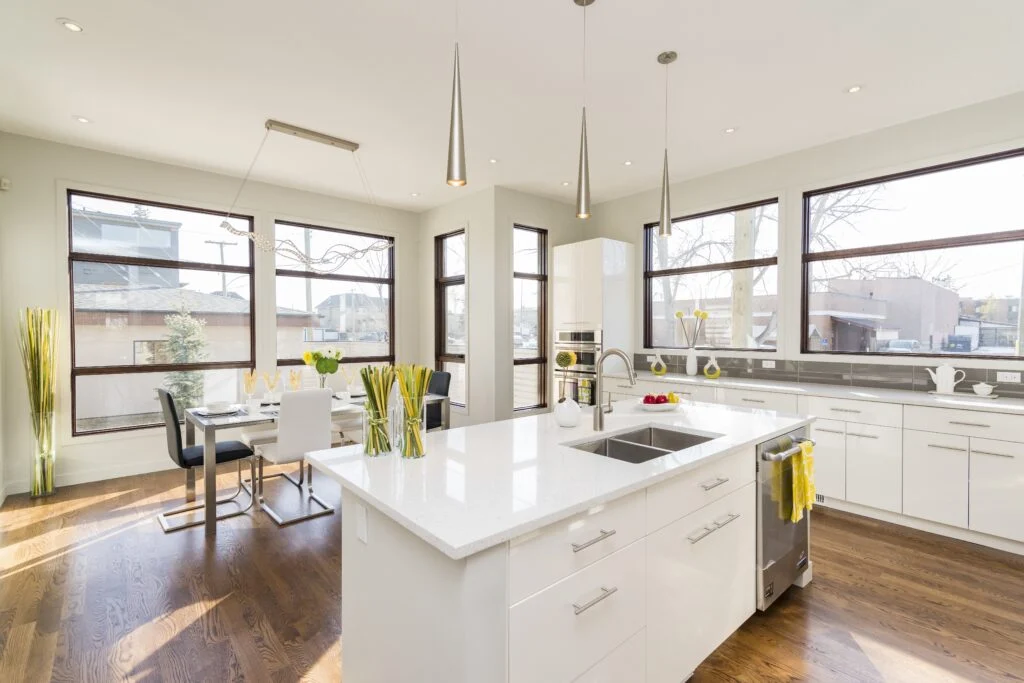
A kitchen is not just a place where meals are prepared; it is the central hub of the home where functionality meets comfort and style. Over time, however, even the most well-loved kitchens can begin to feel outdated, inefficient, or disconnected from modern needs. This is where a carefully planned kitchen remodel becomes essential. By reimagining the space with purpose and creativity, homeowners can significantly enhance both the usability and visual appeal of their kitchens.
Undertaking a renovation project requires more than just inspiration. It involves thoughtful planning, budgeting, and a clear understanding of your goals. Whether you are aiming to improve storage, upgrade appliances, or completely transform the design, every decision plays a vital role in the final outcome.
Defining Your Vision and Objectives
The first step in any successful kitchen remodel is identifying exactly what you want to achieve. Without a clear vision, the process can quickly become overwhelming and unfocused. Start by evaluating your current kitchen and noting what works well and what does not. Pay attention to factors such as layout efficiency, storage limitations, lighting, and overall aesthetics.
It is also important to consider how your lifestyle influences your kitchen needs. For instance, a family that cooks daily will have different requirements compared to someone who uses the kitchen occasionally. By aligning your design choices with your daily habits, you ensure that your renovated kitchen serves a practical purpose beyond just looking attractive.
In addition, think about long-term usability. A well-planned kitchen remodel should not only address current issues but also adapt to future needs, making it a lasting investment.
Establishing a Practical Budget
Budgeting is one of the most critical components of any renovation project. A realistic budget helps you prioritize your spending and prevents unnecessary financial stress. Begin by determining how much you are willing to invest in your kitchen remodel and then allocate funds to key areas such as cabinetry, countertops, appliances, flooring, and labor.
It is wise to include a contingency reserve of at least 10 to 20 percent of your total budget. Unexpected expenses often arise during renovations, and having a financial buffer ensures that the project can continue smoothly without compromising quality.
While it may be tempting to cut costs in certain areas, it is important to strike a balance between affordability and durability. Investing in high-quality materials and workmanship can save money in the long run by reducing the need for repairs or replacements.
Optimizing Kitchen Layout and Flow
The layout of a kitchen plays a crucial role in determining how efficiently it functions. A well-designed layout ensures that movement within the space is smooth and intuitive, reducing unnecessary effort during daily tasks. One widely accepted principle in kitchen design is the work triangle, which connects the sink, stove, and refrigerator in a way that promotes efficiency.
Different layouts offer unique advantages depending on the available space. An L-shaped kitchen provides flexibility and openness, making it suitable for both small and large areas. A U-shaped layout offers extensive counter space and storage, which is ideal for avid cooks. Galley kitchens, with their parallel counters, are perfect for compact spaces, while open-plan kitchens create a seamless connection with living and dining areas.
When planning your kitchen remodel, it is essential to consider how people will move through the space. Ensuring clear pathways and adequate room for multiple users can significantly improve the overall experience.
Selecting Materials That Balance Style and Durability
Material selection is a defining aspect of any kitchen renovation. The materials you choose will influence not only the appearance of your kitchen but also its longevity and maintenance requirements. Cabinets, countertops, flooring, and backsplashes should all be selected with both aesthetics and practicality in mind.
Cabinetry often represents a significant portion of the budget, making it important to choose wisely. Solid wood cabinets offer durability and a classic look, while engineered materials provide cost-effective alternatives. Countertops, on the other hand, should be resistant to heat, stains, and scratches. Quartz and granite are popular choices due to their durability and visual appeal.
Flooring must withstand heavy foot traffic and occasional spills. Options such as ceramic tiles, vinyl, and hardwood each offer distinct benefits. Similarly, a backsplash serves both a functional and decorative purpose, protecting walls while adding character to the design.
By carefully considering each material, you can create a cohesive and long-lasting kitchen environment.
Integrating Modern Appliances
Modern appliances play a significant role in enhancing the efficiency and convenience of a kitchen. When selecting appliances for your kitchen remodel, it is important to consider not only their functionality but also how they fit into the overall design.
Energy-efficient appliances are a popular choice, as they help reduce utility costs while minimizing environmental impact. Features such as smart technology, advanced cooking settings, and improved storage capacity can also contribute to a more enjoyable cooking experience.
It is equally important to ensure that appliances are appropriately sized and positioned within the kitchen layout. Built-in options can create a streamlined look, while freestanding appliances offer flexibility in placement.
The Importance of Effective Lighting
Lighting is an essential yet often underestimated element of kitchen design. A well-lit kitchen enhances both functionality and ambiance, making it easier to perform tasks while creating a welcoming atmosphere.
A balanced lighting plan typically includes ambient lighting for general illumination, task lighting for specific work areas, and accent lighting to highlight design features. For example, under-cabinet lighting can improve visibility on countertops, while pendant lights can add style and focus to kitchen islands.
Choosing the right combination of lighting fixtures ensures that your kitchen remodel achieves both practicality and visual appeal.
Enhancing Storage and Organization
Efficient storage is a key objective in any kitchen renovation. A clutter-free kitchen not only looks better but also improves usability. Incorporating smart storage solutions can make a significant difference, especially in smaller spaces.
Features such as pull-out shelves, deep drawers, and built-in organizers help maximize available space and keep items easily accessible. Vertical storage options can also be utilized to make the most of unused wall space.
During your kitchen remodel, it is important to think beyond traditional cabinets and explore innovative storage solutions that align with your needs. A well-organized kitchen contributes to a more enjoyable and efficient cooking experience.
Personalizing Your Kitchen Design
While functionality is essential, the aesthetic appeal of your kitchen should not be overlooked. Your kitchen should reflect your personal style and create a space where you feel comfortable and inspired.
Color schemes, textures, and finishes all play a role in defining the overall look. Neutral tones provide a timeless foundation, while bold accents can add character and uniqueness. Mixing materials such as wood, metal, and stone can create depth and visual interest.
Small details, including cabinet handles, faucets, and decorative elements, can have a significant impact on the final design. By carefully selecting these elements, you can ensure that your kitchen remodel feels cohesive and personalized.
Deciding Between Professional Help and DIY
One of the key decisions in any renovation project is whether to hire professionals or take a do-it-yourself approach. While DIY projects can be cost-effective, they require time, skill, and attention to detail.
For complex tasks such as electrical work, plumbing, and structural modifications, hiring experienced professionals is often the best choice. Their expertise ensures that the work is completed safely and in compliance with regulations.
On the other hand, simpler tasks like painting or installing hardware can be handled independently, allowing you to save on labor costs. Striking the right balance between professional assistance and DIY efforts can help you achieve a successful kitchen remodel within your budget.
Managing the Renovation Process
Effective project management is essential for keeping your renovation on track. Creating a detailed timeline helps ensure that each phase of the project is completed in an organized manner. Coordinating with contractors, ordering materials in advance, and maintaining clear communication are all crucial steps.
Regularly monitoring progress allows you to address any issues promptly and make adjustments as needed. A well-managed kitchen remodel not only reduces stress but also ensures that the final result meets your expectations.
Avoiding Common Pitfalls
Even with careful planning, certain mistakes can occur during a renovation. Being aware of common pitfalls can help you avoid them and achieve better results.
One common issue is underestimating costs, which can lead to financial strain. Another is prioritizing aesthetics over functionality, resulting in a kitchen that looks good but does not perform well. Poor lighting, inadequate storage, and neglecting workflow considerations can also impact the overall effectiveness of the design.
By staying mindful of these challenges, you can navigate your kitchen remodel more confidently and efficiently.
Long-Term Benefits of Kitchen Renovation
Investing in a kitchen renovation offers numerous long-term benefits. Beyond improving daily living, it can significantly increase the value of your home. A modern, well-designed kitchen is often a major selling point for potential buyers, making it a worthwhile investment.
Additionally, an upgraded kitchen can enhance energy efficiency, reduce maintenance costs, and create a more enjoyable environment for cooking and entertaining. These benefits make a kitchen remodel a practical and rewarding endeavor.
Embracing Sustainable Choices
Sustainability has become an important consideration in modern home design. Incorporating eco-friendly materials and energy-efficient appliances can reduce your environmental impact while creating a healthier living space.
Options such as LED lighting, water-saving fixtures, and recycled materials are increasingly popular in kitchen renovations. These choices not only benefit the environment but also contribute to long-term cost savings.
Final Perspective
A well-executed kitchen remodel requires a thoughtful approach that balances design, functionality, and budget. By carefully planning each aspect of the project, from layout and materials to lighting and storage, you can create a space that meets your needs and reflects your personal style.
Although the process may seem complex, the results are well worth the effort. A beautifully designed kitchen enhances your daily life, provides a welcoming environment for family and guests, and adds lasting value to your home. With the right strategy and attention to detail, your vision for the perfect kitchen can become a reality.