Sarsaparilla Root: A Deep Dive into Its Health Benefits and Uses
Introduction
Sarsaparilla root, often overshadowed by more popular herbal remedies, is a hidden gem in the world of natural health. Its rich history and diverse applications make it worth exploring. As we dive into the fascinating journey of this remarkable plant, you’ll uncover its potential benefits for various ailments and how it has been used across cultures for centuries. Whether you’re seeking relief from skin conditions or looking to boost your overall wellness, sarsaparilla root might just be the key you’ve been searching for. Let’s embark on this enlightening exploration together!
History and Names
Sarsaparilla root has a rich history that dates back to ancient times. Indigenous cultures in Central and South America have long valued this plant for its medicinal properties. The name “sarsaparilla” is derived from the Spanish word “zarzaparrilla,” which translates to “bramble vine.”
In Europe, sarsaparilla gained popularity during the 19th century as a tonic and remedy for various ailments. Today, it’s recognized not only for its historical significance but also for its continued use in herbal medicine and beverages, particularly root beer.
Benefits of Sarsaparilla Root
Sarsaparilla root has gained attention for its potential health benefits. Packed with antioxidants, it may help combat inflammation and support overall wellness. Many people have turned to this natural remedy for various ailments.
Research suggests that sarsaparilla can promote skin health, alleviate symptoms of arthritis, and even assist in detoxification processes. Its ability to enhance bioavailability allows other nutrients to be absorbed more effectively. With such diverse uses, sarsaparilla root remains a fascinating option in herbal medicine.
Psoriasis
Psoriasis is a chronic skin condition that causes red, scaly patches. These flare-ups can be uncomfortable and affect self-esteem. Sarsaparilla root has garnered attention for its potential to alleviate symptoms associated with psoriasis.
Traditionally used in herbal medicine, it may help reduce inflammation and promote skin healing. Its anti-inflammatory properties could potentially soothe itchy areas, providing relief for those struggling with this persistent ailment. Exploring natural remedies like sarsaparilla root offers hope for improving quality of life amidst the challenges of managing psoriasis.
Arthritis
Sarsaparilla root has gained attention for its potential benefits in managing arthritis. This painful condition, characterized by inflammation and stiffness in the joints, can significantly impact daily life. The anti-inflammatory properties of sarsaparilla may help reduce swelling and discomfort.
Some studies suggest that compounds found in sarsaparilla could play a role in slowing down joint degradation. By supporting joint health, it offers hope to those seeking natural remedies alongside traditional treatments. Integrating this herbal remedy might provide much-needed relief for arthritis sufferers looking for alternative options.
Syphilis
Sarsaparilla root has garnered attention for its potential benefits in addressing syphilis. This sexually transmitted infection, caused by the bacterium Treponema pallidum, can lead to serious health complications if untreated. Traditional herbal remedies often highlight sarsaparilla’s active compounds that may support the body’s immune response.
Research suggests that sarsaparilla could help mitigate some symptoms associated with syphilis and promote overall wellness during treatment. However, it should not replace conventional medical therapies. Integrating this natural remedy alongside prescribed treatments might enhance recovery and bolster one’s health journey.
Cancer
Sarsaparilla root has garnered attention for its potential anti-cancer properties. Some studies suggest that compounds found in this herb may inhibit the growth of certain cancer cells. This makes it a subject of interest for those exploring natural remedies alongside conventional treatments.
Additionally, sarsaparilla root is rich in antioxidants, which help combat oxidative stress linked to cancer development. While research is still ongoing, incorporating this root into your wellness routine could provide complementary support during difficult health journeys. Always consult with healthcare professionals before making changes to treatment plans.
Liver Protection
Sarsaparilla root is gaining attention for its potential role in liver health. It contains antioxidants that help combat oxidative stress, which can damage liver cells. These protective properties may contribute to improved liver function and overall wellness.
Additionally, sarsaparilla root has been known to support detoxification processes in the body. By aiding the elimination of toxins, it helps maintain a healthy environment for liver tissues. This herbal remedy could be a beneficial addition for those seeking natural ways to bolster their liver protection strategies.
Bioavailability Enhancement
Sarsaparilla root has gained attention for its potential to enhance bioavailability. This means it may help the body absorb and utilize nutrients more effectively. By improving how certain compounds are processed, sarsaparilla can maximize their health benefits.
The presence of specific phytochemicals in sarsaparilla contributes to this enhancement. These natural compounds interact with other nutrients, making them more accessible to cells. As a result, incorporating sarsaparilla into your diet could lead to improved outcomes from various supplements and medications you might be using.
Side Effects and Risks
While sarsaparilla root is generally considered safe for most people, it can cause some side effects. Common issues include stomach upset and diarrhea. Allergic reactions are also possible, leading to symptoms like itching or rashes.
Individuals with specific health conditions or those taking certain medications should exercise caution. Pregnant or breastfeeding women should consult a healthcare provider before using sarsaparilla root. As with any herbal remedy, it’s important to be aware of potential interactions and assess your own health status prior to use.
Purchasing Sarsaparilla Root
When looking to purchase sarsaparilla root, consider sourcing it from reputable herbal shops or online retailers specializing in natural products. Always check for high-quality options, as the potency can vary significantly between brands.
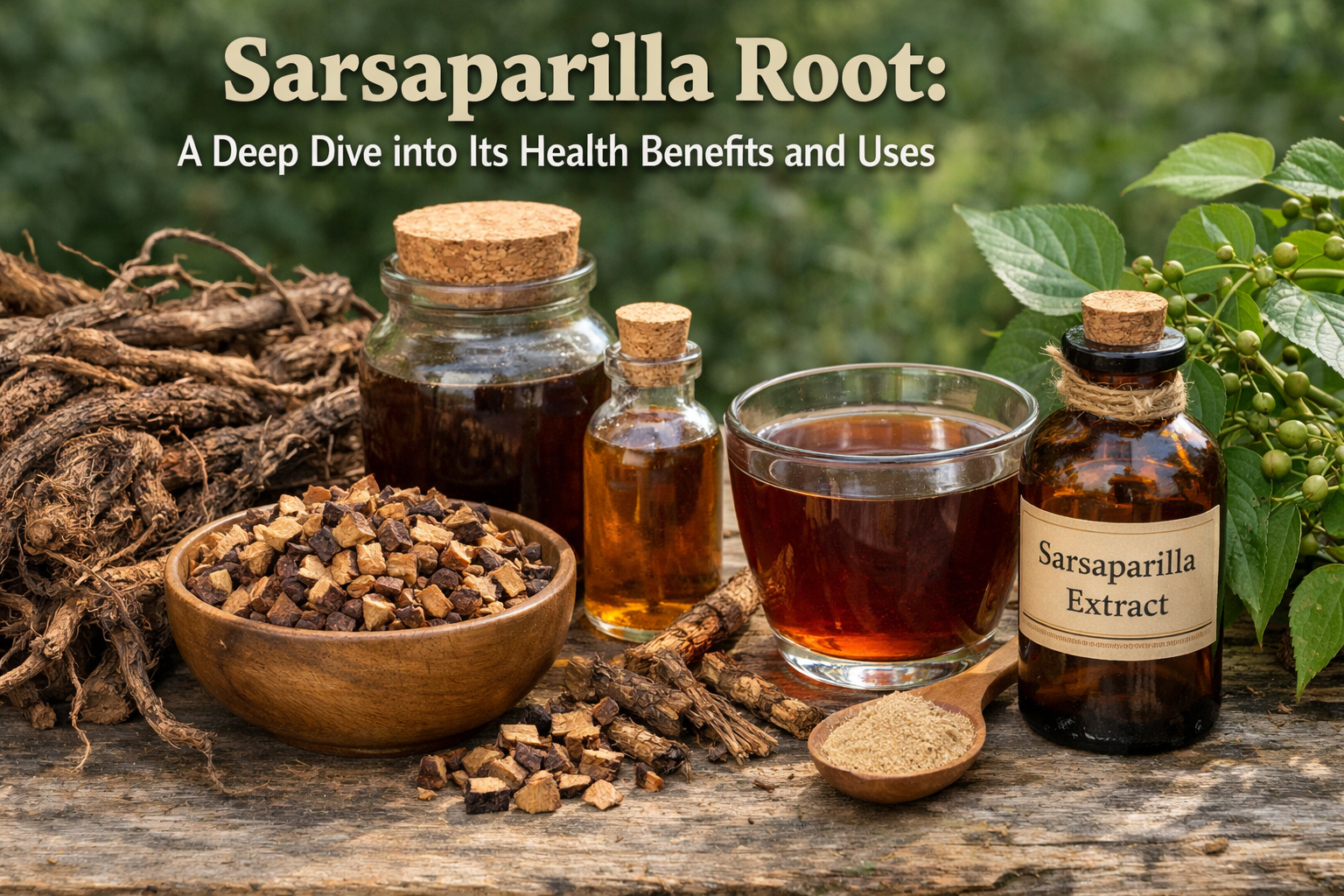
Additionally, look for organic certifications and customer reviews to ensure you’re getting a pure product. You might find sarsaparilla root available in various forms—dried whole roots, powdered form, or even as capsules. Choose what fits your needs best while prioritizing quality and sustainability in your selection process.
Conclusion
Sarsaparilla root has a rich history and is packed with potential health benefits. Its traditional uses span centuries, showcasing its importance in various cultures. From fighting skin issues like psoriasis to aiding in arthritis relief, this natural remedy offers diverse applications.
The root’s anti-inflammatory properties make it appealing for managing syphilis and even cancer-related symptoms. Additionally, it may play a role in protecting the liver and enhancing bioavailability of other nutrients.
As you explore sarsaparilla root, consider its various forms available on the market—whether as an extract or tea. Always consult with healthcare professionals before starting any new supplement regimen.
Embracing the power of nature can lead to a healthier lifestyle; sarsaparilla root might just be a valuable addition to your wellness journey.