Roof Repair: A Complete Guide to Maintaining, Restoring, and Extending the Life of Your Roof
A roof is one of the most critical components of any building, providing protection from weather elements, insulation, and structural integrity. Over time, however, roofs can experience wear and damage, necessitating timely intervention. Roof repair is essential not only for maintaining the aesthetic appeal of a building but also for preventing more extensive structural problems. Proper maintenance and timely repairs can extend the life of your roof, improve energy efficiency, and safeguard your home or commercial property from costly damage.
Understanding roof repair requires knowledge of the types of damage roofs may encounter, the techniques used to address these issues, and the materials involved. It is a comprehensive process that goes beyond merely fixing leaks; it involves inspecting the roof, identifying underlying problems, and implementing solutions that ensure long-term performance. Ignoring minor issues can lead to significant expenses and structural risks, making roof repair a crucial aspect of property maintenance.
Common Causes of Roof Damage
Before engaging in roof repair, it is important to understand the factors that contribute to roof deterioration. Weather conditions, such as heavy rain, snow, ice, hail, and strong winds, are among the most common causes of roof damage. Continuous exposure to these elements can lead to leaks, broken shingles, weakened flashing, and water intrusion, all of which compromise the structural integrity of the roof.
Another major factor is age. Roof materials naturally degrade over time, losing their protective qualities. Asphalt shingles, for example, typically last 20 to 30 years, while metal roofs may last 40 to 70 years if properly maintained. Regular inspections and maintenance are critical for identifying early signs of wear and performing necessary roof repair before minor problems escalate.
Poor installation or substandard materials can also contribute to roof damage. Incorrectly installed shingles, inadequate flashing, or inferior roofing materials may result in premature deterioration. Additionally, a lack of proper ventilation or drainage can accelerate wear, leading to moisture buildup, mold growth, and structural weakening. Roof repair addresses these underlying issues, ensuring that the roof not only looks intact but functions as intended.
Signs That Roof Repair Is Needed
Recognizing the signs that roof repair is necessary is essential for preventing severe damage. Some common indicators include visible leaks, missing or broken shingles, sagging areas, water stains on ceilings or walls, and damage around chimneys, vents, or skylights. Roof flashing that is cracked or lifted can also allow water to penetrate the roofing system, creating potential problems for both the roof and the underlying structure.
Regular inspections, particularly after storms or extreme weather events, can help identify issues early. By catching problems before they worsen, homeowners and property managers can perform targeted roof repair, preventing the need for full-scale roof replacement and saving significant time and expense.
Techniques and Methods of Roof Repair
Roof repair encompasses a range of techniques depending on the type and extent of damage. Minor repairs may include replacing individual shingles, sealing small leaks, or patching cracks in flashing or roofing membranes. These simple interventions are often sufficient to prevent further deterioration and extend the life of the roof.
For more extensive damage, roof repair may involve replacing sections of the roof decking, reinforcing structural supports, or installing new flashing around critical areas such as chimneys, vents, and skylights. In cases where water infiltration has caused rot or mold, additional repairs to the insulation and interior structures may be required. Modern roofing materials and techniques allow for targeted repairs without the need for complete roof replacement, making roof repair a cost-effective and practical solution.
Materials Used in Roof Repair
The choice of materials plays a critical role in the effectiveness and longevity of roof repair. Asphalt shingles remain one of the most common roofing materials, known for their affordability and ease of installation. Repairing asphalt shingle roofs often involves replacing damaged shingles, sealing small gaps, or reinforcing areas around roof penetrations.
Metal roofing, which is increasingly popular for both residential and commercial properties, requires specialized repair techniques. Corrosion, dents, and loose panels are common issues, and roof repair for metal roofs may include panel replacement, resealing seams, or reattaching fasteners to ensure a secure and watertight roof surface.
Other materials, such as clay or concrete tiles, slate, and synthetic roofing membranes, also require tailored approaches to repair. Tiles may need to be individually replaced, while membranes may require patching or resealing. The choice of material affects not only the repair method but also the overall durability and cost of maintaining the roof.
Preventive Maintenance and Its Role in Roof Repair
Preventive maintenance is a crucial aspect of roof repair, as it helps identify and address potential problems before they become severe. Regular inspections, cleaning of gutters and drains, trimming overhanging tree branches, and checking for signs of wear or damage are all part of a proactive maintenance strategy.
Preventive maintenance ensures that minor issues, such as loose shingles or small leaks, are repaired promptly, reducing the risk of water infiltration, mold growth, and structural damage. By investing in routine care, property owners can significantly extend the life of their roof and minimize the need for costly emergency repairs.
Safety Considerations in Roof Repair
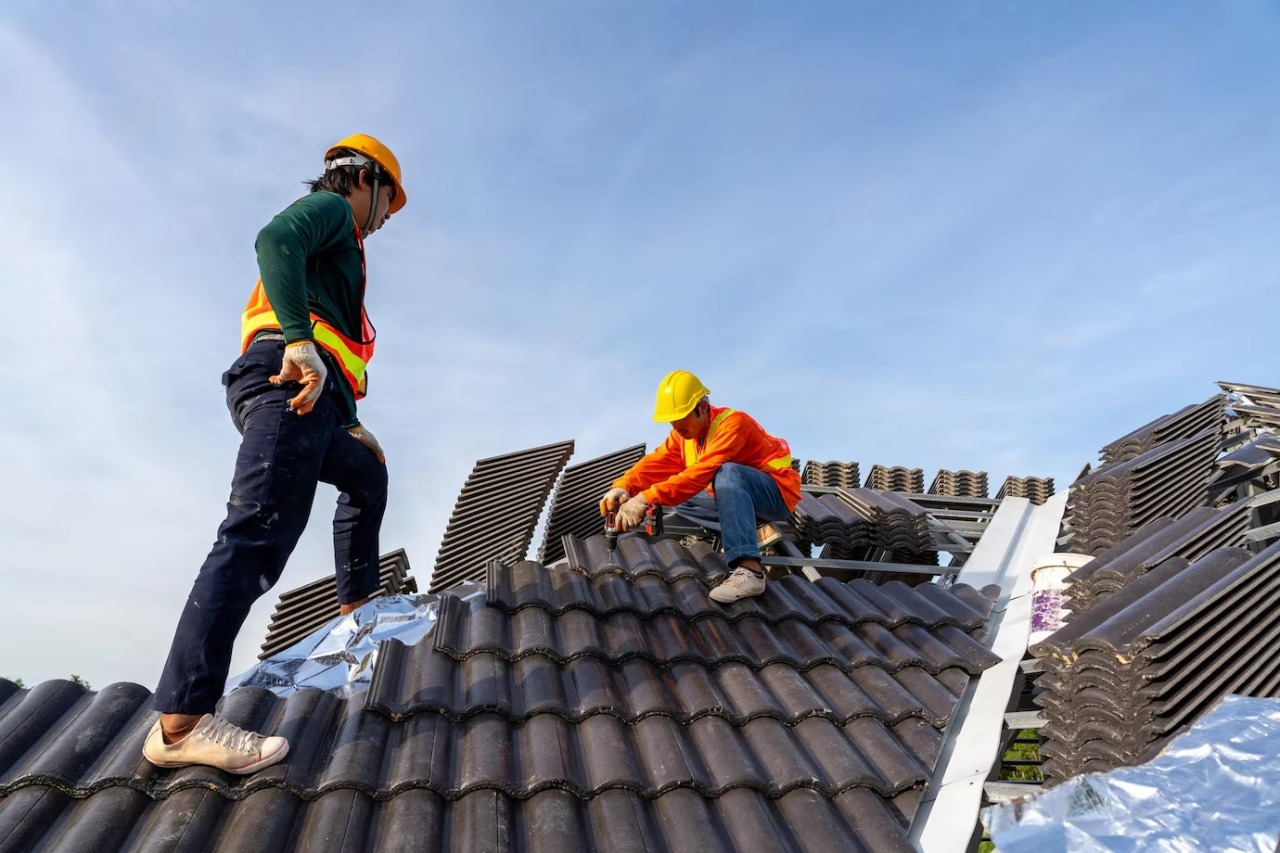
Roof repair can be a dangerous task, requiring attention to safety and proper use of equipment. Falls from heights, handling sharp tools, and working in adverse weather conditions are among the primary risks associated with roof repair. Using personal protective equipment, ensuring proper ladder placement, and employing fall protection systems are essential safety measures for anyone performing roof repairs.
Professional roof repair services often provide trained crews equipped with safety gear and experience in handling a variety of roofing materials and conditions. Hiring professionals not only ensures the quality and durability of the repair but also reduces the risk of injury and damage during the repair process.
Cost Factors in Roof Repair
The cost of roof repair varies depending on the type of roof, the extent of damage, and the materials used. Minor repairs, such as replacing a few shingles or patching leaks, are generally affordable and can be completed quickly. Extensive repairs, particularly those involving structural reinforcement, replacement of decking, or large-scale water damage remediation, are more costly but necessary to maintain the integrity of the building.
Investing in roof repair is often more cost-effective than delaying repairs, which can lead to severe water damage, mold growth, and compromised structural integrity. Understanding the long-term value of timely roof repair helps property owners make informed decisions about maintenance and budget allocation.
Choosing Professional Roof Repair Services
While some minor repairs can be managed by skilled DIY enthusiasts, many roof repair projects require professional expertise. Certified roofing contractors bring experience, specialized tools, and knowledge of industry best practices to ensure repairs are effective and durable. Professionals can also provide warranties for their work, offering peace of mind and protection against future issues.
When selecting a roof repair service, it is important to consider reputation, experience, and the ability to handle the specific type of roofing material. A thorough assessment and transparent estimate allow property owners to plan and execute repairs with confidence, ensuring long-term benefits and safety.
Conclusion: The Importance of Timely Roof Repair
In conclusion, roof repair is a fundamental aspect of property maintenance, ensuring protection, durability, and aesthetic appeal. By addressing common causes of damage, recognizing warning signs, and employing proper techniques, property owners can prevent minor issues from escalating into major problems. Effective roof repair involves a combination of materials expertise, preventive maintenance, safety practices, and professional support when necessary.
Investing in timely roof repair not only safeguards the property from water damage, structural issues, and energy loss but also enhances its overall value and longevity. By prioritizing roof repair as part of a comprehensive maintenance strategy, property owners can enjoy a safe, functional, and durable roof that stands the test of time.