RCPD Explained: A Comprehensive Guide for Beginners
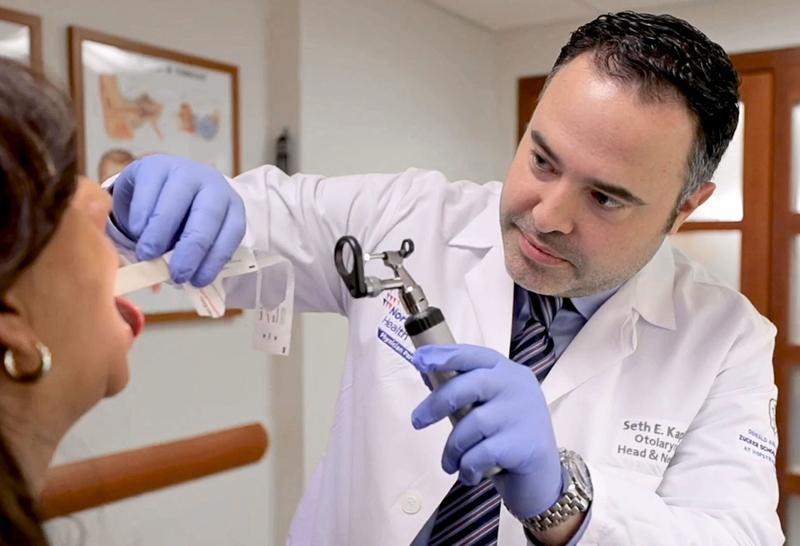
RCPD, or Rapid Cycling Polycystic Disease, may sound complex, but it’s a condition that many people grapple with daily. Understanding RCPD is crucial for those affected and their loved ones. This comprehensive guide will walk you through essential aspects of RCPD, from its symptoms to management techniques. Whether you’re just curious about the disease or seeking information for personal reasons, we’ve got you covered. Let’s dive into this often-misunderstood condition and shed light on what living with RCPD truly means.
What is RCPD?
RCPD refers to Rapid Cycling Polycystic Disease, a condition characterized by multiple cysts forming in the ovaries. It primarily affects individuals with polycystic ovary syndrome (PCOS) and is marked by frequent hormonal fluctuations.
These variations can lead to rapid changes in symptoms, making it challenging for those affected to manage their health effectively. While RCPD shares similarities with PCOS, its unique pattern of recurring symptoms sets it apart, prompting a need for tailored care and support strategies for better management.
RCPD Symptoms
RCPD symptoms can vary widely among individuals, making it a unique condition to navigate. Common signs include difficulty with speech and communication, as well as challenges in social interactions. Many people experience frustration or anxiety related to these difficulties.
In addition to verbal challenges, some may face sensory sensitivities or emotional regulation issues. This can lead to misunderstandings and feelings of isolation. Recognizing these symptoms early on is crucial for effective management and support throughout the journey with RCPD.
Why RCPD Happens
RCPD, or Reflexive Choking Disorder, often arises from a combination of genetic predispositions and environmental factors. Some individuals might have an inherent sensitivity in their gag reflex, making them more prone to episodes.
Certain traumatic experiences related to eating can also trigger RCPD symptoms. For instance, if someone has had a frightening choking incident in the past, they may develop anxiety around food that exacerbates their condition. Understanding these triggers is essential for effective management and support moving forward.
How to Manage RCPD
Managing RCPD involves a combination of strategies tailored to individual needs. Keeping a consistent daily routine can help create stability, reducing anxiety and fostering better emotional control.
Incorporating relaxation techniques like deep breathing or mindfulness can also be beneficial. Regular physical activity is essential for overall well-being too. Connecting with support groups enables sharing experiences and learning from others facing similar challenges. Remember, individualized plans work best, so collaborating with healthcare professionals is crucial in identifying what management strategies suit you most effectively.
Diagnosis of RCPD
Diagnosing RCPD involves a thorough evaluation by healthcare professionals. They will typically review your medical history and conduct physical exams. Tests may include imaging studies or genetic testing to rule out other conditions.
A multidisciplinary approach is often used, involving specialists such as neurologists and psychologists. They look for specific symptoms that align with RCPD characteristics. Early diagnosis is crucial for effective management, so seeking help at the first signs can make a significant difference in outcomes.
Treatment Options for RCPD
Treatment for RCPD often begins with behavioral strategies. These may include structured routines, positive reinforcement, and tailored interventions designed to improve communication skills. Parents play a crucial role in implementing these techniques effectively at home.
In some cases, medication might be considered to address associated symptoms like anxiety or depression. Speech therapy is also beneficial as it focuses on enhancing communication abilities through targeted exercises and activities. Combining these approaches can lead to improved outcomes and a better quality of life for those affected by RCPD.
Lived Experience of RCPD
Living with RCPD can be a complex journey. Many individuals describe their experiences as a mix of challenges and triumphs. They often navigate social situations, feeling the weight of misunderstanding from others about this condition.
Support networks play a vital role in managing daily life with RCPD. Sharing stories and coping strategies helps to foster community, providing comfort and validation. These shared experiences create bonds that can empower those affected to embrace their uniqueness while seeking understanding and acceptance in wider society.
Complications and Side Effects
RCPD can lead to various complications that impact daily life. Many individuals experience anxiety and social isolation due to their symptoms, which may intensify over time. This emotional toll can affect relationships and overall mental well-being.
Additionally, physical side effects such as fatigue and discomfort may arise from the condition itself or its treatments. It’s essential for those affected to monitor these changes closely and communicate with healthcare providers for proper management strategies. Understanding these challenges is crucial in navigating RCPD effectively.
Outlook and Prognosis
The outlook for individuals with RCPD can vary widely. Some may experience significant improvement over time, especially with early intervention and appropriate management strategies. Others might face ongoing challenges that require a long-term commitment to care.
Prognosis often hinges on the severity of symptoms and individual response to treatment. Regular follow-ups with healthcare professionals are essential in tailoring approaches that support each person’s journey. This proactive stance helps maximize potential outcomes while addressing specific needs as they arise throughout life’s stages.
The Role of Behavioral and Speech Therapists
Behavioral and speech therapists play a crucial role in the management of RCPD. They help individuals develop effective communication skills and behavioral strategies tailored to their unique needs. By fostering these abilities, patients can navigate daily interactions more confidently.
These professionals also provide support for families, educating them about RCPD’s challenges. This collaborative approach ensures that both patients and caregivers understand how to cope effectively with social situations. Therapists often create personalized plans that incorporate practical exercises, enhancing overall communication proficiency in various contexts.
The Influence of Social Media on RCPD Awareness
Social media has become a powerful tool for raising awareness about RCPD. Platforms like Instagram, Twitter, and Facebook allow individuals to share their experiences and connect with others facing similar challenges. This sharing fosters community support and reduces feelings of isolation.
Hashtags related to RCPD help disseminate information quickly. Educational posts, videos, and infographics can reach thousands in moments. As more people engage with these resources, the understanding of RCPD grows wider, paving the way for increased dialogue around treatment options and management strategies.
Conclusion and Future Directions
RCPD awareness is growing, thanks in part to advocacy and education efforts. Future research may unlock new insights into its causes and treatments. As understanding improves, so does the potential for better management strategies tailored to individual needs.
Community support will remain vital as more people share their experiences online. This connection fosters a sense of belonging among those affected by RCPD. Continuous collaboration between healthcare professionals, therapists, and patients can lead to innovative approaches in care.
Looking ahead, it’s essential to prioritize mental health alongside physical symptoms. The journey with RCPD can be challenging but also filled with opportunities for personal growth and resilience. Embracing these possibilities paves the way for brighter futures for individuals navigating life with RCPD.