The Sweet Science of Raisins: Uncovering Their Health Benefits
Introduction
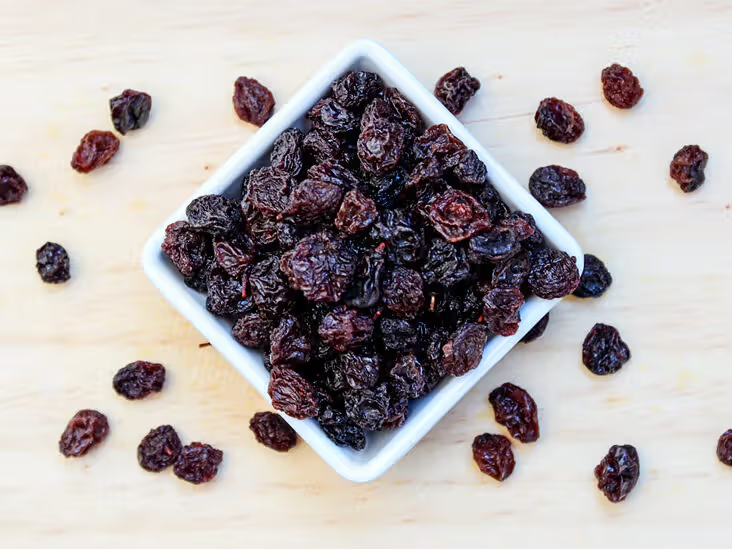
Raisins are more than just a sweet snack. These tiny, wrinkled gems pack a powerful punch when it comes to nutrition and flavor. Often overlooked, they deserve the spotlight for their versatile uses in cooking and baking, as well as their impressive health benefits. From energy-boosting snacks to tasty additions in savory dishes, raisins can enhance your meals while contributing to your overall wellness. Join us as we delve deep into the world of raisins—exploring how they’re made, their nutritional value, and why you should consider adding them to your diet today!
Varieties and Production
Raisins come in various types, each with unique flavors and uses. The most common varieties include Thompson Seedless, which is sweet and versatile; Flame Raisins, known for their vibrant color; and Black Corinth, smaller but packed with flavor. These differences contribute to the richness of culinary experiences.
The production process begins with selecting high-quality grapes. Once harvested, they undergo drying methods that enhance sweetness while preserving nutrients. Regions like California dominate raisin production due to ideal climate conditions, ensuring a steady supply of this nutritious snack year-round.
Raisins vs. Sultanas
Raisins and sultanas often get confused, but they are distinct in flavor and processing. Raisins are typically dried from darker grape varieties, resulting in a chewy texture with rich sweetness. They can vary in color from dark brown to greenish hues.
Sultanas, on the other hand, come from lighter grape types like Thompson Seedless. Their drying process usually involves a pretreatment with a solution of potassium carbonate or sulfur dioxide, which gives them their light golden color and plumpness. The flavor is milder than that of raisins, making each suitable for different culinary uses.
Raisins vs. Currants
Raisins and currants may seem similar, but they come from different types of grapes. Raisins are typically dried grapes from larger varieties like Thompson Seedless, while currants originate from the small Black Corinth grape. This size difference contributes to their unique textures and flavors.
Currants tend to be more tart than raisins, which have a sweeter profile. Both offer delightful additions to dishes or snacks. However, knowing their differences can enhance your culinary creativity when incorporating them into recipes or trail mixes for added depth and taste.
Processing and Pre-treatment
Processing raisins begins with selecting high-quality grapes. The most common varieties used include Thompson Seedless and Flame Seedless. After harvesting, the grapes undergo pre-treatment to enhance flavor and texture. This often includes washing, sorting, and sometimes soaking in solutions like potassium carbonate or vegetable oil.
These treatments help maintain color and prevent fermentation during drying. By ensuring a uniform process, manufacturers can create consistent products that appeal to consumers. Pre-treatment is essential for achieving the desired sweetness while retaining the nutritional benefits of this delightful dried fruit.
Drying Techniques
Raisins are created through various drying techniques that help preserve their natural sweetness. Traditionally, grapes are sun-dried, allowing the sunlight to evaporate moisture slowly. This method enhances flavor and gives raisins a rich taste.
Modern methods include hot-air drying and dehydrating machines, which offer more control over temperature and humidity. These processes can produce raisins faster while maintaining quality. Each technique has its own charm, affecting texture and sweetness levels in unique ways that appeal to different palates around the world.
Nutritional Value
Raisins are small but mighty, offering a concentrated source of nutrition. Packed with natural sugars, they provide quick energy. A serving can deliver essential vitamins and minerals like potassium, iron, and calcium.
In addition to their mineral content, raisins are high in dietary fiber. This makes them beneficial for digestive health. With antioxidants like flavonoids and phenolic compounds, they also support overall wellness by combating oxidative stress in the body. Incorporating raisins into your diet is an easy way to boost your nutrient intake while enjoying a sweet treat.
Key Nutrients in Raisins
Raisins are a powerhouse of essential nutrients packed into bite-sized treats. They are rich in carbohydrates, primarily natural sugars like glucose and fructose, providing a quick energy boost. Each serving offers dietary fiber that aids digestion and promotes gut health.
These dried fruits also contain significant amounts of potassium, iron, and calcium. Potassium supports heart health by regulating blood pressure while iron contributes to oxygen transport in the body. Calcium plays an important role in bone strength. Together, these nutrients make raisins not just sweet snacks but also healthy additions to your diet.
Health Benefits
Raisins offer a plethora of health benefits that make them an excellent snack choice. Packed with natural sugars, they provide quick energy and are rich in dietary fiber, which aids digestion. Their high potassium content can help maintain healthy blood pressure levels as well.
Moreover, raisins contain essential vitamins and minerals like vitamin B6 and iron. These nutrients support your immune system and promote overall wellness. Incorporating raisins into your diet may also contribute to heart health by reducing cholesterol levels while their antioxidants combat oxidative stress effectively.
Potential Risks and Toxicity
While raisins offer numerous health benefits, they are not without potential risks. One concern is their high sugar content, which can lead to weight gain and dental issues if consumed excessively. Moderation is key for maintaining a balanced diet while enjoying these sweet treats.
Another risk involves the possibility of sulfites in commercially produced raisins. These preservatives can trigger allergic reactions in sensitive individuals. Always check labels if you have allergies or sensitivities. Understanding these factors will help you enjoy raisins safely while reaping their many rewards.
Antioxidants and Antimicrobial Compounds
Raisins are a treasure trove of antioxidants, which help combat oxidative stress in the body. These compounds can neutralize free radicals, potentially reducing the risk of chronic diseases and promoting overall health. The natural sweetness of these dried fruits comes with added benefits beyond just taste.
Additionally, raisins contain antimicrobial properties that may support your immune system. Some studies suggest these compounds can fend off harmful bacteria and fungi, making raisins not just a delicious snack but also a functional food for wellness. Enjoy them knowing they offer more than simple satisfaction.
How to Incorporate Raisins in Your Diet
Raisins are incredibly versatile and can elevate both sweet and savory dishes. Toss them into salads for a burst of sweetness or mix them into grain bowls for added texture. They also pair well with cheese, making for an easy appetizer.
For a quick snack, enjoy raisins on their own or blend them into smoothies for natural sweetness. When baking, substitute some sugar with raisins to create healthier treats. You can even rehydrate them in water or juice before adding to recipes like oatmeal or cookies for extra moisture and flavor.
Cooking and Baking with Raisins
Raisins add a delightful sweetness and chewy texture to countless dishes. Toss them into oatmeal for a hearty breakfast, or blend them into smoothies for an extra energy boost. Their natural sugars can enhance savory meals too; think salads or grain bowls that need a touch of sweetness.
When baking, raisins shine in cookies, breads, and muffins. They absorb moisture during cooking, making your treats softer and more flavorful. Experiment with incorporating them into traditional recipes like rice pudding or cinnamon rolls for a unique twist that elevates the classic favorites you love.
Making Raisins at Home
Making raisins at home is a simple and rewarding process. Start with fresh grapes, preferably organic for the best flavor and health benefits. Wash them thoroughly before laying them out on a clean baking sheet or dehydrator tray.
Choose your drying method—sun-drying, oven-drying, or using a food dehydrator. Sun-drying can take several days, while an oven set to low heat speeds things up significantly. Check regularly until they reach your desired consistency. Homemade raisins not only taste better but also allow you to control ingredients and sweetness levels!
Healthier Alternatives and Recipes
Raisins can be a delightful addition to your meals, but there are also healthier alternatives worth exploring. Consider using chopped dates or dried apricots as substitutes in recipes that call for raisins. These options provide natural sweetness and unique flavors while adding extra nutrients.
For a nutritious snack, try mixing raisins with nuts and seeds for an energy-boosting trail mix. Adding them to oatmeal or yogurt can enhance breakfast while providing essential vitamins and minerals. Experimenting allows you to enjoy the benefits of dried fruits without losing variety in your diet.
Conclusion
Raisins are more than just a sweet treat; they offer a myriad of health benefits and versatile uses in everyday diets. With their rich nutritional profile, these dried grapes can be a fantastic addition to both savory and sweet dishes. From enhancing your baked goods to serving as quick energy snacks, the possibilities are endless.
Understanding the differences between raisins, sultanas, and currants allows for better choices tailored to individual tastes. Whether you’re enjoying them raw or incorporating them into recipes, you’ll find that raisins bring joy along with health perks.
As you explore ways to add this delightful fruit to your meals, consider making your own at home or experimenting with healthier alternatives in classic recipes. The world of raisins is indeed vast and flavorful—embracing it might just transform your culinary experience while boosting overall well-being.