Pappedeckel Explained: Definition, Materials, Manufacturing Process & Modern Uses
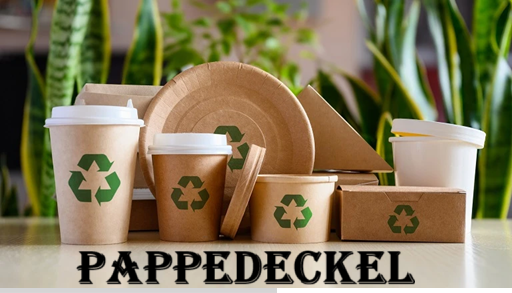
Pappedeckel may not be a household name, but its impact is felt across various industries. This versatile packaging solution has been quietly shaping the way we consume and experience products. Whether you’re sipping your morning coffee or enjoying a freshly baked treat, Pappedeckel plays a pivotal role in ensuring freshness and sustainability. Let’s dive into what makes this material so special, exploring its history, manufacturing processes, modern applications, and cultural significance around the globe. Get ready to discover why Pappedeckel deserves a spot on your radar!
What is Pappedeckel?
Pappedeckel refers to a type of paperboard lid commonly used for packaging food and beverages. Known for its lightweight yet sturdy composition, it acts as a protective barrier while maintaining product freshness.
Originally designed in Germany, this innovative solution combines functionality with eco-friendliness. Pappedeckel is now an essential part of modern packaging, appealing to consumers who value sustainability without compromising quality or convenience.
Historical Background
Pappedeckel, or paper lids, have a rich history dating back to the early 20th century. Initially crafted from simple cardboard, their primary purpose was to provide a hygienic seal for food and beverage containers.
As consumer needs evolved, manufacturers began experimenting with various materials and designs. This innovation paved the way for more functional and aesthetically pleasing options that we see in today’s market.
Common Uses
Pappedeckel, primarily known as paperboard lids, find extensive use in various industries. They are often utilized in food packaging, providing a secure and hygienic seal for products like takeout containers and bakery items.
Moreover, Pappedeckel serves the beverage sector well. Many drinks come capped with these eco-friendly covers that ensure freshness while appealing to environmentally conscious consumers. Their versatility makes them an essential component across multiple applications.
Materials Used
Pappedeckel is primarily made from paperboard, a lightweight yet sturdy material that ensures durability. This eco-friendly option often incorporates recycled fibers, enhancing its sustainability profile.
Additionally, some variations use laminated surfaces for moisture resistance. Coatings can include bio-based materials or traditional plastics, depending on the intended application. These diverse materials contribute to Pappedeckel’s versatility across various industries while maintaining environmental responsibility.
Manufacturing Process & Innovations
The manufacturing process of Pappedeckel involves precision and efficiency. Typically, it starts with sourcing high-quality raw materials that are then cut, shaped, and printed according to specifications. Advanced machinery plays a crucial role in ensuring consistency.
Innovations have emerged in both design and functionality. Cutting-edge techniques enable unique shapes and customizable prints, while automation enhances production speed. These advancements cater to evolving market demands for sustainability and aesthetic appeal.
Innovations in Design
Recent innovations in Pappedeckel design focus on greater functionality and aesthetics. New shapes, colors, and textures enhance the consumer experience while ensuring product integrity.
Advanced printing techniques allow for vibrant graphics that attract attention on store shelves. These designs not only serve practical purposes but also promote brand identity, making Pappedeckel a key player in packaging innovation today.
Sustainability in Focus
Sustainability is at the forefront of Pappedeckel production. Many manufacturers are now using eco-friendly materials, reducing waste and carbon footprints. This shift not only benefits the environment but also appeals to conscious consumers.
Innovative techniques have emerged that enhance durability while minimizing resource consumption. As companies prioritize sustainable practices, Pappedeckel becomes an integral part of a greener packaging landscape, promoting responsible consumption and waste management in various industries.
How to Manufacture
The manufacturing of Pappedeckel begins with high-quality paperboard, which is often sourced from recycled materials. The sheets are cut into specific sizes and shapes to meet design specifications.
Next, a die-cutting process forms the lids accurately. Afterward, they are printed and coated for durability. These lids undergo quality checks before packaging for distribution, ensuring consistency in both appearance and functionality across various applications.
Recycling & Environmental Impact
Recycling Pappedeckel plays a crucial role in reducing waste. When disposed of correctly, these paperboard caps can be processed and repurposed into new products, minimizing environmental strain.
The impact on the ecosystem is significant. By choosing recyclable materials, companies contribute to lower carbon footprints and promote sustainable practices. This shift not only benefits the planet but also appeals to eco-conscious consumers seeking greener alternatives in packaging solutions.
Modern Applications & Benefits
Pappedeckel, often overlooked, plays a vital role in the food and beverage industry. Its lightweight design ensures product freshness while providing an eco-friendly packaging option. Many brands are shifting to this sustainable alternative.
Additionally, Pappedeckel enhances consumer convenience with easy access and resealability. These features boost brand loyalty as customers appreciate practical solutions that align with their values of sustainability and quality.
Pappedeckel in Food & Beverage Industry
Pappedeckel play a vital role in the food and beverage industry. These versatile paperboard lids provide optimal protection, ensuring freshness while enhancing product presentation. They are commonly used for cups and containers, making them essential for restaurants and cafes.
With growing consumer demand for eco-friendly packaging, Pappedeckel has gained popularity. Their lightweight nature reduces shipping costs, aligning business practices with sustainability goals while meeting customer expectations effectively.
Case Studies & Success Stories
Many companies have successfully integrated Pappedeckel into their packaging solutions. A notable example is a bakery that switched to these eco-friendly lids, resulting in a 30% reduction in plastic waste. Customers appreciated the change, leading to increased sales and brand loyalty.
Another success story comes from a beverage company that used innovative Pappedeckel designs for limited edition launches. This unique approach not only boosted their market visibility but also created an engaging consumer experience.
Consumer Perception & Market Trends
Consumer perception of Pappedeckel is evolving as sustainability becomes a priority. Many customers now prefer packaging that reflects eco-friendly values, leading brands to adopt these materials in their strategies.
Market trends indicate a growing demand for innovative designs and functionalities within Pappedeckel products. As consumers become more conscious of their choices, companies are responding by enhancing the aesthetic appeal while maintaining environmental responsibility.
The Future of Pappedeckel
The future of Pappedeckel looks promising as industries seek sustainable packaging solutions. Innovations in design and materials will drive its evolution, making it even more versatile.
Challenges such as competition from plastic alternatives remain. However, the growing emphasis on eco-friendly practices presents ample opportunities for Pappedeckel to thrive within a circular economy framework, enhancing both its appeal and functionality across various sectors.
Challenges & Opportunities
The Pappedeckel industry faces challenges like rising raw material costs and competition from plastic alternatives. Producers must adapt to these market dynamics while ensuring quality.
However, opportunities abound in innovation and sustainability. Brands increasingly seek eco-friendly solutions, opening doors for Pappedeckel as a biodegradable option. Embracing technology can enhance manufacturing efficiency, making it an attractive choice for environmentally conscious consumers.
Role in Circular Economy
Pappedeckel plays a crucial role in the circular economy by promoting sustainability and reducing waste. Designed for reuse and recycling, these paper lids help minimize resource consumption and lower carbon footprints.
Innovative designs are emerging that further enhance their recyclability. By integrating Pappedeckel into eco-friendly packaging solutions, businesses can contribute to a more sustainable future while meeting consumer demands for responsible products.
Future Trends
Emerging technologies are set to reshape the landscape of Pappedeckel. Smart packaging solutions, such as QR codes and temperature indicators, enhance consumer interaction and safety. These innovations cater to a growing demand for transparency in food sourcing.
Sustainable materials will gain traction, with biodegradable and compostable options leading the way. As consumers become more eco-conscious, brands that embrace these trends will likely stand out in an increasingly competitive market.
Pappedeckel Across Cultures
Pappedeckel holds a unique place in various cultures, often symbolizing tradition and craftsmanship. In many regions, these paperboard lids are cherished for their practicality while also serving decorative purposes during celebrations.
Artists and crafters worldwide employ Pappedeckel creatively, transforming them into art pieces or souvenirs. This versatility showcases cultural identities and highlights the blend of functionality with creative expression across different societies.
Cultural Role & Significance
Pappedeckel hold a unique place in various cultures, often symbolizing tradition and craftsmanship. They serve as functional art, bridging the gap between utility and aesthetic appeal.
In many communities, these covers tell stories of heritage, embodying local artistry. From festive occasions to everyday usage, Pappedeckel enrich cultural practices while fostering connections among people through shared experiences and memories. Their significance extends beyond mere practicality into realms of identity and expression.
Creative & Decorative Uses
Pappedeckel has transcended its practical origins, emerging as a canvas for creativity. Artists and DIY enthusiasts often transform these simple cardboard covers into unique pieces of art, using paint, fabric, or various embellishments.
From chic home decor to personalized gifts, the possibilities are endless. Their lightweight nature makes them easy to manipulate, fostering innovation in creative projects across different settings. Think beyond the conventional; let your imagination take flight!
Versatility in Different Cultures
Pappedeckel showcases remarkable versatility across various cultures. In Germany, it’s a staple for sealing jars and packaging food products, reflecting practicality in everyday life. Meanwhile, in Italy, its decorative potential shines during festive occasions.
In Asian markets, Pappedeckel often serves as an eco-friendly alternative for takeaway containers. This adaptability highlights how different societies embrace Pappedeckel not only for functionality but also as a means of artistic expression and sustainable living.
Conclusion
Pappedeckel plays a significant role in various industries, particularly food and beverage. As sustainability becomes increasingly important, the use of eco-friendly materials and innovative designs sets Pappedeckel apart. Its versatility across cultures showcases its adaptability and relevance.
Understanding Pappedeckel enriches our appreciation for packaging solutions that prioritize both functionality and aesthetics. By exploring its history, manufacturing processes, and modern applications, we can grasp why this simple yet effective tool remains crucial today. Embracing Pappedeckel means supporting sustainable practices while enjoying practical benefits that enhance consumer experience.