Exploring Palentu: The Heart of Flavorful Culinary Traditions
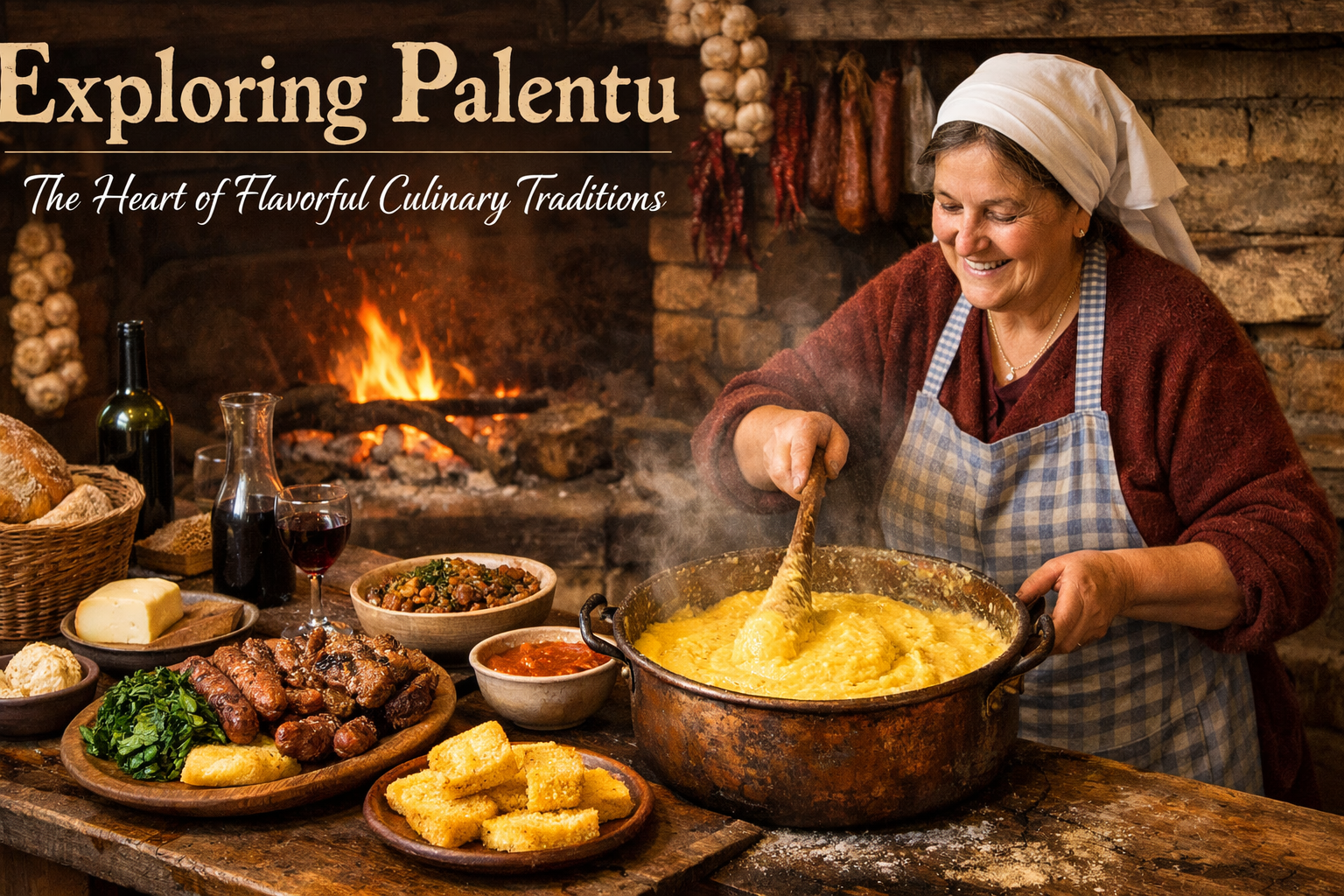
Welcome to the vibrant world of Palentu! This staple food, rich in history and flavor, has captured the hearts of many across cultures. As we embark on this culinary journey, we’ll discover what makes Palentu more than just a dish—it’s a tradition steeped in heritage and nutrition. Whether you’re a seasoned foodie or someone curious about diverse cuisines, understanding Palentu opens doors to not only satisfying your palate but also appreciating the stories behind every bite. Let’s dive into this delicious exploration together!
What Exactly Is Palentu?
Palentu is a traditional dish made primarily from cornmeal, celebrated for its versatility and rich texture. Originating in various cultures, it serves as both a staple food and an accompaniment to many meals. The simple ingredients make it accessible while allowing for endless variations.
Often enjoyed warm, Palentu can be served creamy or allowed to set and sliced into firm pieces. Its ability to absorb flavors makes it perfect for pairing with savory sauces, meats, or vegetables.
In essence, Palentu embodies comfort food at its finest—nourishing and satisfying across generations. With roots that stretch deep into culinary traditions worldwide, it’s more than just a meal; it’s a cultural experience waiting to be savored.
The Historical Logic Behind Palentu
Palentu, a staple in many cultures, carries with it rich historical significance. Its origins trace back to ancient civilizations where resources were scarce. People needed sustenance that could be stored and consumed over time, making Palentu an ideal choice.
Across various regions, methods of preparation evolved. From the early Roman era to indigenous practices around the world, each culture added unique flavors and techniques. This adaptability speaks volumes about its importance as a food source.
As trade routes expanded, so did awareness of this dish. Culinary exchanges led to variations that enriched local traditions while preserving essential nutritional benefits inherent in Palentu’s ingredients.
Nutritional Composition: What Palentu Really Delivers
Palentu is a staple made primarily from cornmeal, offering a balanced nutritional profile. It’s rich in carbohydrates, which provide energy for daily activities. This makes it an excellent source of fuel for both the body and mind.
In addition to carbs, palentu contains several essential vitamins and minerals. You’ll find B vitamins that support metabolism alongside iron and magnesium, contributing to overall health. This combination aids in maintaining optimal bodily functions.
Moreover, palentu is low in fat and cholesterol-free, making it suitable for various diets. Its versatility allows it to pair well with numerous ingredients while ensuring you receive vital nutrients without unwanted additives or preservatives.
The Science of Palentu Digestion
Palentu is not just a delightful dish; it’s also fascinating in how our bodies break it down. This staple food primarily consists of corn, which means it’s rich in carbohydrates. When consumed, enzymes in the saliva kickstart the digestive process.
Once palentu reaches the stomach, gastric acids further decompose its components. The small intestine plays a crucial role here, absorbing nutrients and energy from this wholesome meal.
Fiber content promotes healthy digestion as well, encouraging regular bowel movements and preventing constipation. Understanding this intricate process enhances appreciation for palentu’s role in nutrition and overall health.
Is Palentu Healthy? The Honest Answer
Palentu is often celebrated for its versatility and unique flavor, but what about its health benefits? It’s predominantly made from cornmeal, which can be an excellent source of carbohydrates. These carbs provide energy, making palentu a staple in many diets.
However, the healthiness of palentu largely depends on how it’s prepared and consumed. When paired with nutritious ingredients like vegetables or lean proteins, it can contribute to a balanced meal.
On the other hand, excessive consumption without balancing nutrients could lead to unwanted weight gain. Moderation is key to enjoying this traditional dish while reaping its benefits.
Palentu and Gluten Sensitivity
Palentu, a staple in various culinary traditions, is often questioned regarding gluten sensitivity. Made primarily from cornmeal or other grains, it can be naturally gluten-free. However, cross-contamination during processing is a real concern for those with celiac disease or gluten intolerance.
When purchasing Palentu, it’s crucial to check labels carefully. Some brands may include wheat-based additives that could trigger adverse reactions. Always opt for certified gluten-free products when possible.
Cooking methods also play a role in maintaining its integrity as a safe option for sensitive individuals. Ensuring separate utensils and surfaces can help prevent any unwanted exposure to gluten while preparing this delicious dish.
Cultural Intelligence: Why Palentu Endured
Palentu’s resilience in culinary traditions speaks volumes about its cultural significance. This dish has been a staple for many communities, adapting to local ingredients and tastes while preserving its core essence. Its versatility allows it to fit seamlessly into various cuisines.
As generations passed, Palentu became more than just food; it transformed into a symbol of identity and heritage. Families gathered around tables sharing stories over steaming bowls, solidifying connections between past and present.
Moreover, the rise of global cuisine has sparked renewed interest in traditional foods like Palentu. Chefs are rediscovering its potential, infusing modern techniques while honoring historical roots. This blend ensures that Palentu remains relevant today.
Modern Uses Without Disrespecting the Food
Palentu is a versatile ingredient that lends itself to modern culinary experimentation. Chefs are creatively transforming this traditional staple into gourmet dishes while respecting its roots. By using local, fresh ingredients, they honor the history behind Palentu.
Food enthusiasts are embracing it in unexpected forms, like Palentu bowls topped with vibrant vegetables and proteins. This not only enhances flavor but also showcases the dish’s adaptability in contemporary diets.
Additionally, innovative recipes feature Palentu as a gluten-free alternative for baking or thickening sauces. These approaches maintain the essence of the food while introducing it to new audiences eager to explore its rich heritage.
Common Myths
Many myths surround Palentu, often clouding its true value. One common misconception is that it’s just a bland filler food. In reality, when prepared correctly, Palentu boasts rich flavors and versatility.
Another myth suggests that Palentu lacks nutritional benefits. Contrary to this belief, it’s packed with essential nutrients like carbohydrates and vitamins. This makes it an excellent energy source for various culinary traditions.
Some people claim Palentu is only suitable as a side dish. However, this underestimates its potential in main courses or even desserts. With creativity and the right ingredients, you can elevate Palentu into a star on your dining table.
Conclusion
Palentu serves as a rich emblem of culinary heritage that transcends time and culture. Its unique flavor profile, nutritional benefits, and adaptability make it a staple in many kitchens around the globe. Understanding its historical significance allows us to appreciate the intricate tapestry of traditions from which it originates.
As more people embrace diverse diets, palentu stands out as not only a wholesome option but also one that respects cultural practices. While some myths may cloud perceptions about this delightful dish, clarifying these misconceptions enhances our relationship with food.
Whether you are gluten-sensitive or simply looking for nutritious alternatives, palentu has something to offer everyone. By incorporating this ancient yet modern ingredient into your meals, you contribute to preserving its legacy while enjoying all the flavors it brings to your plate. Embrace palentu; it’s more than just food—it’s an experience worth savoring.