Outdoor & Wall-Mounted Enclosures: Common Selection Mistakes and How to Make the Right Buying Decision
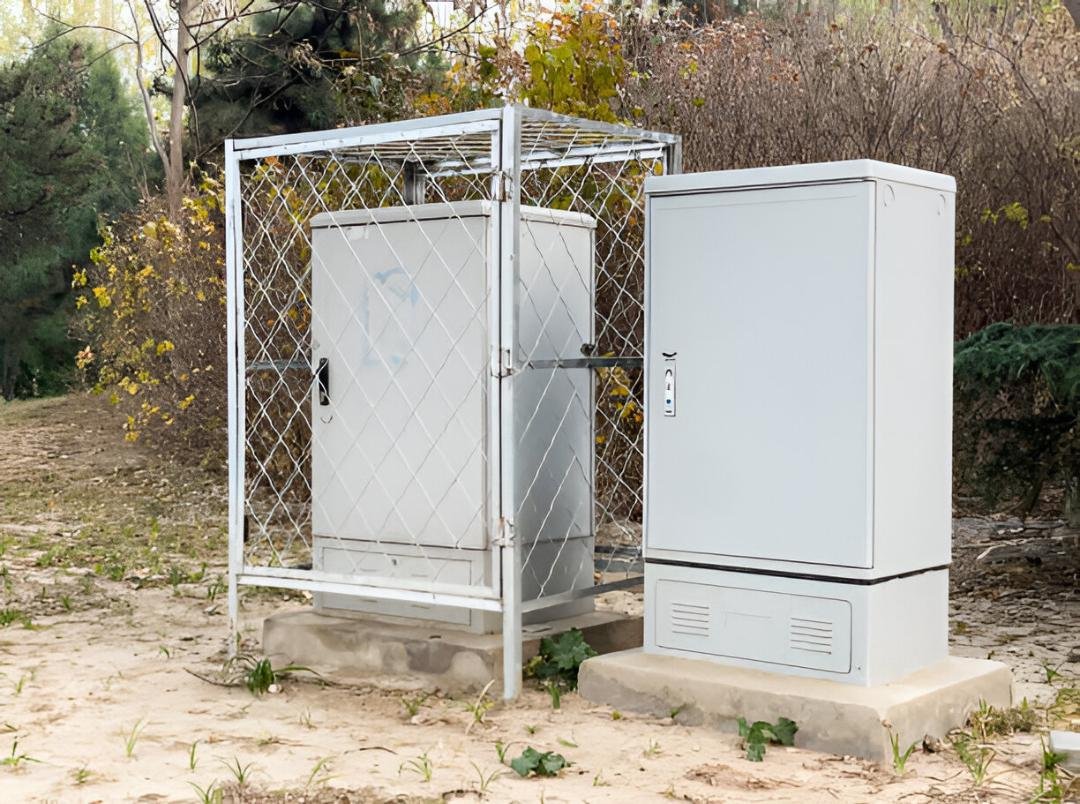
Choosing an enclosure for electrical or electronic equipment may appear straightforward at first glance. Many buyers focus only on size or price, assuming that any enclosure will provide basic protection. In reality, selecting outdoor and wall-mounted enclosures requires careful consideration. Small mistakes during the buying process can lead to performance issues, safety risks, and unnecessary replacement costs.
This article takes a decision-focused approach, highlighting common mistakes organizations make when selecting enclosures and explaining how to avoid them through smarter evaluation and planning.
Why Enclosure Selection Errors Are So Common
One reason enclosure mistakes occur so frequently is that enclosures are often viewed as secondary components. Attention is usually placed on the equipment inside, while the enclosure is treated as a simple container.
However, enclosures directly affect how equipment performs, how long it lasts, and how safely it can be maintained. Overlooking this role can result in poor environmental protection, restricted airflow, and difficult access for technicians.
Understanding common errors helps buyers make more informed and confident decisions.
Mistake #1: Choosing Based on Size Alone
One of the most frequent mistakes is selecting an enclosure based only on current equipment dimensions. While size is important, it should never be the only factor.
Problems caused by undersized enclosures include:
- Overcrowded internal layouts
- Restricted airflow leading to heat buildup
- Difficult or unsafe maintenance
On the other hand, excessively large enclosures can waste space and increase costs unnecessarily. A better approach considers internal layout, airflow, cable routing, and future expansion—not just physical dimensions.
Mistake #2: Ignoring Environmental Conditions
Environmental exposure varies significantly between locations. An enclosure that performs well indoors may fail quickly outdoors if not designed for weather resistance.
Common oversights include:
- Underestimating moisture or humidity levels
- Ignoring dust or airborne particles
- Failing to account for temperature extremes
- Overlooking exposure to chemicals or salt air
Selecting enclosures without matching them to their environment often leads to corrosion, seal failure, and equipment damage.
Mistake #3: Overlooking Material Differences
Material choice has a major impact on enclosure durability and maintenance needs. Some buyers select materials based solely on cost, without considering long-term performance.
For example:
- Mild steel may corrode in outdoor environments
- Lightweight materials may lack impact resistance
- Non-metallic options may not suit high-heat applications
Understanding material strengths and limitations ensures the enclosure supports the application rather than limiting it.
Mistake #4: Neglecting Thermal Management
Heat is a silent threat to enclosed equipment. Many buyers assume ventilation can be added later if needed, but poor thermal planning can shorten component lifespan from the start.
Common thermal mistakes include:
- Selecting sealed enclosures without airflow consideration
- Overcrowding internal components
- Ignoring future system expansion
Effective enclosure selection considers heat generation, airflow paths, and cooling options early in the decision process.
Mistake #5: Prioritizing Price Over Long-Term Value
While budget considerations are important, focusing only on upfront cost can be misleading. Lower-priced enclosures may require frequent maintenance, early replacement, or system downtime.
Long-term costs often include:
- Equipment failure due to poor protection
- Increased maintenance labor
- System interruptions and lost productivity
Investing in well-designed solutions such as Outdoor & Wall-Mounted Enclosures often results in lower total cost of ownership over time.
Comparing Outdoor and Wall-Mounted Enclosure Options
Understanding the functional differences between outdoor and wall-mounted enclosures helps buyers make appropriate choices.
Outdoor Enclosures
Designed for exposure to weather, dust, and physical impact. They typically require stronger materials, better sealing, and UV-resistant finishes.
Wall-Mounted Enclosures
Optimized for space efficiency and accessibility. They are commonly used indoors but may also be suitable for sheltered outdoor locations when properly rated.
Comparing these options based on application rather than appearance prevents misalignment between design and use.
Mistake #6: Failing to Consider Installation Requirements
Even a high-quality enclosure can perform poorly if installation needs are ignored during selection. Mounting method, surface type, and access clearance all influence installation success.
Buyers often overlook:
- Wall load capacity for mounted units
- Door swing clearance
- Space for cable entry and routing
- Accessibility for tools and technicians
Planning installation requirements early avoids costly modifications later.
Mistake #7: Underestimating Maintenance Needs
Maintenance is an inevitable part of system operation. Enclosures that are difficult to access increase service time and safety risks.
Maintenance-friendly designs typically include:
- Hinged doors
- Clear internal visibility
- Logical component arrangement
- Adequate working space
When maintenance is considered during selection, long-term operational efficiency improves.
Security and Safety Considerations Buyers Miss
Enclosures often protect critical systems, yet security features are sometimes treated as optional. In public or shared environments, inadequate security can lead to tampering or accidental contact.
Important safety and security elements include:
- Lockable doors
- Reinforced panels
- Grounding provisions
- Controlled access points
Ignoring these factors can create compliance and safety challenges.
Industry-Specific Decision Factors
Different industries face different risks, which should influence enclosure selection:
Manufacturing
Requires vibration resistance, durability, and continuous operation support.
Utilities and Infrastructure
Prioritize reliability, long service life, and regulatory compliance.
Commercial Buildings
Often require balanced design that considers aesthetics, noise control, and protection.
Versatile solutions like Outdoor & Wall-Mounted Enclosures help meet these varied demands without sacrificing performance.
How to Make a Smarter Buying Decision
Avoiding common mistakes starts with a structured decision-making approach:
- Assess the environment carefully
- Define equipment and future expansion needs
- Evaluate material and thermal requirements
- Consider installation and maintenance access
- Balance upfront cost with long-term value
This method leads to enclosure choices that support reliability rather than creating limitations.
The Role of Manufacturing Quality
Manufacturing quality is often overlooked during purchasing decisions. Precision fabrication, durable coatings, and tested sealing systems ensure enclosures perform consistently over time.
Many professionals rely on Eabel.com for enclosure solutions designed to address real-world selection challenges while supporting long-term operational reliability.
Conclusion
Selecting outdoor and wall-mounted enclosures is a strategic decision that directly affects equipment performance, safety, and lifecycle costs. Common mistakes—such as ignoring environmental conditions, focusing only on price, or overlooking thermal management—can lead to avoidable problems.
By understanding these pitfalls and taking a structured approach to evaluation, buyers can choose enclosure solutions that provide dependable protection, efficient maintenance, and long-term value. The right decision today helps ensure systems remain secure and reliable for years to come.