Orthopedic Dog Boots: Enhancing Joint Health and Mobility
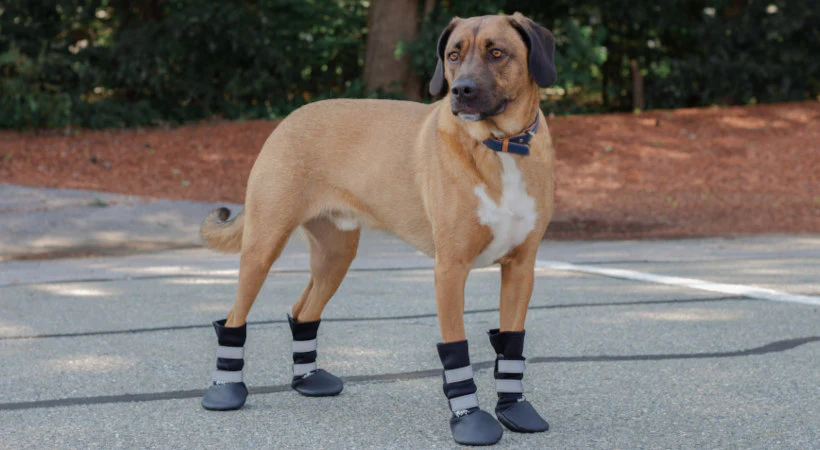
When we think about dog shoes, images of protection often come to mind—shielding paws from hot pavement, sharp ice, or rough trails. But what if the greatest benefit of dog shoes isn’t about what they keep out, but how they support your dog’s body from within? Many dog owners wonder, are dog shoes good for dogs from a medical standpoint? The answer goes far beyond simple paw protection.
The right footwear can play a crucial role in maintaining your dog’s long-term joint health, preventing injuries, and even alleviating pain from existing conditions. Cheap, poorly designed shoes can cause more harm than good, but well-designed orthopedic dog boots act as a tool to support your dog’s natural biomechanics.
This guide explores the orthopedic reality of dog shoes, explains how the wrong shoes can hurt your dog’s joints, and reveals why flexible, supportive boots are a game-changer for dogs of all ages.
The Hidden Danger of Bad Dog Shoes
One of the most valid concerns skeptics have is whether shoes can negatively alter a dog’s natural gait. The unfortunate truth is that many can. The market is flooded with dog boots that are essentially shrunken-down human sneakers, featuring thick, rigid rubber soles. While they might look stylish, they can be an orthopedic nightmare.
A dog’s paw is a complex structure designed to flex, splay, and grip the ground. This movement is essential for balance and shock absorption. When a dog’s foot is locked into a stiff, inflexible shoe, it’s like walking with a cast on. The paw can no longer function as intended.
To compensate for the rigid sole, the dog is forced to change its stride. Instead of absorbing impact through the paw, the stress travels up the leg, putting unnatural strain on the wrists (carpals), elbows, and even the hips. Over time, this can contribute to joint inflammation, aggravate arthritis, and increase the risk of injury. This is why the question “Are dog shoes good for dogs?” depends almost entirely on the design of the shoe.
The “Fold Test”: Your Key to Safe Footwear
So, how can you tell a supportive orthopedic boot from a harmful, rigid one? The answer lies in the “Fold Test.” It’s a simple check you can perform on any dog boot to gauge its safety.
How to perform the Fold Test:
Take the boot and try to roll it into a ball with your fingers.
- If it bends and folds easily: The boot has a flexible sole that will allow your dog’s paw to move naturally. This design mimics the function of a “protective skin” rather than a rigid shoe, promoting good dog joint health.
- If it’s stiff and difficult to bend: The boot is too rigid. It will restrict your dog’s natural foot movement and could lead to gait problems and joint strain.
A properly designed orthopedic dog boot respects the anatomy of the paw. It should protect the pad from external hazards without compromising its essential function.
Orthopedic Benefits for Every Stage of Life
The need for joint support isn’t limited to senior dogs. From energetic puppies to active adults, the right footwear provides orthopedic benefits at every life stage.
For the Active Adult Dog
For dogs who love to hike, run, or perform in sports like agility, joint stress is a constant factor. Repetitive impact on hard or uneven surfaces can take a toll. While their paws are tough, they aren’t invincible.
Wearing flexible orthopedic dog boots during high-impact activities offers several benefits:
- Shock Absorption: A well-designed sole provides an extra layer of cushioning, reducing the concussive force that travels up the leg joints with every step.
- Improved Traction: On slippery or loose terrain like scree, mud, or wet rocks, superior grip prevents slips and falls that can cause sprains or ligament tears. The dog can move with more confidence, reducing the muscle tension associated with instability.
- Injury Prevention: By providing a stable and cushioned platform, boots help maintain proper alignment from the paw up through the hip, supporting overall dog joint health.
For the Senior Dog
For older dogs, especially those with arthritis, hip dysplasia, or degenerative myelopathy, the world can feel like a slippery, painful obstacle course. Even indoor surfaces like hardwood or tile can be challenging.
In this context, orthopedic dog boots are less about protection and more about providing mobility.
- Traction and Stability: As dogs age, they lose muscle mass, making it harder to get up from a lying position. The grip from a boot’s sole provides the traction they need to push themselves up without their paws sliding out from under them.
- Reducing Micro-Slips: On slick floors, senior dogs experience “micro-slips,” where their paws slide almost imperceptibly with each step. This forces them to constantly tense their muscles to stay balanced, leading to fatigue and increased joint pain. Boots eliminate this struggle.
- Proprioceptive Support: For dogs with neurological conditions causing them to drag their paws (knuckling), boots can protect the tops of their feet from scrapes while also providing sensory feedback that can help them become more aware of their foot placement.
Are Dog Shoes Good for Dogs with Pre-existing Conditions?
For dogs already managing joint-related issues, the right footwear can be a therapeutic tool recommended by veterinarians and physical therapists.
If your dog suffers from arthritis, wearing supportive boots on walks can lessen the impact on sore joints, allowing them to enjoy exercise with less pain. For dogs recovering from paw injuries, a boot keeps the wound clean and protected while offering a stable base to walk on, preventing them from developing a compensatory limp that could strain other parts of their body.
When considering footwear for a medical condition, it’s always best to consult with your veterinarian. They can help you determine if boots are appropriate and recommend a style that offers the right kind of support for your dog’s specific needs.
Conclusion: More Than Just Paw Protection
So, are dog shoes good for dogs? When you choose footwear designed with canine anatomy in mind, the answer is a definitive yes. They are far more than just a shield against the elements. They are an orthopedic tool that supports a dog’s natural movement, reduces strain on their joints, and improves their mobility and confidence.
By avoiding rigid, human-like sneakers and opting for flexible boots that pass the “Fold Test,” you can protect your dog’s long-term dog joint health. Whether you have a young, active adventurer or a senior companion who needs a little extra help navigating the house, a quality pair of orthopedic dog boots is an investment in their comfort, safety, and quality of life.