Kleptotoxicity Explained: How Theft Among Organisms Affects Biodiversity
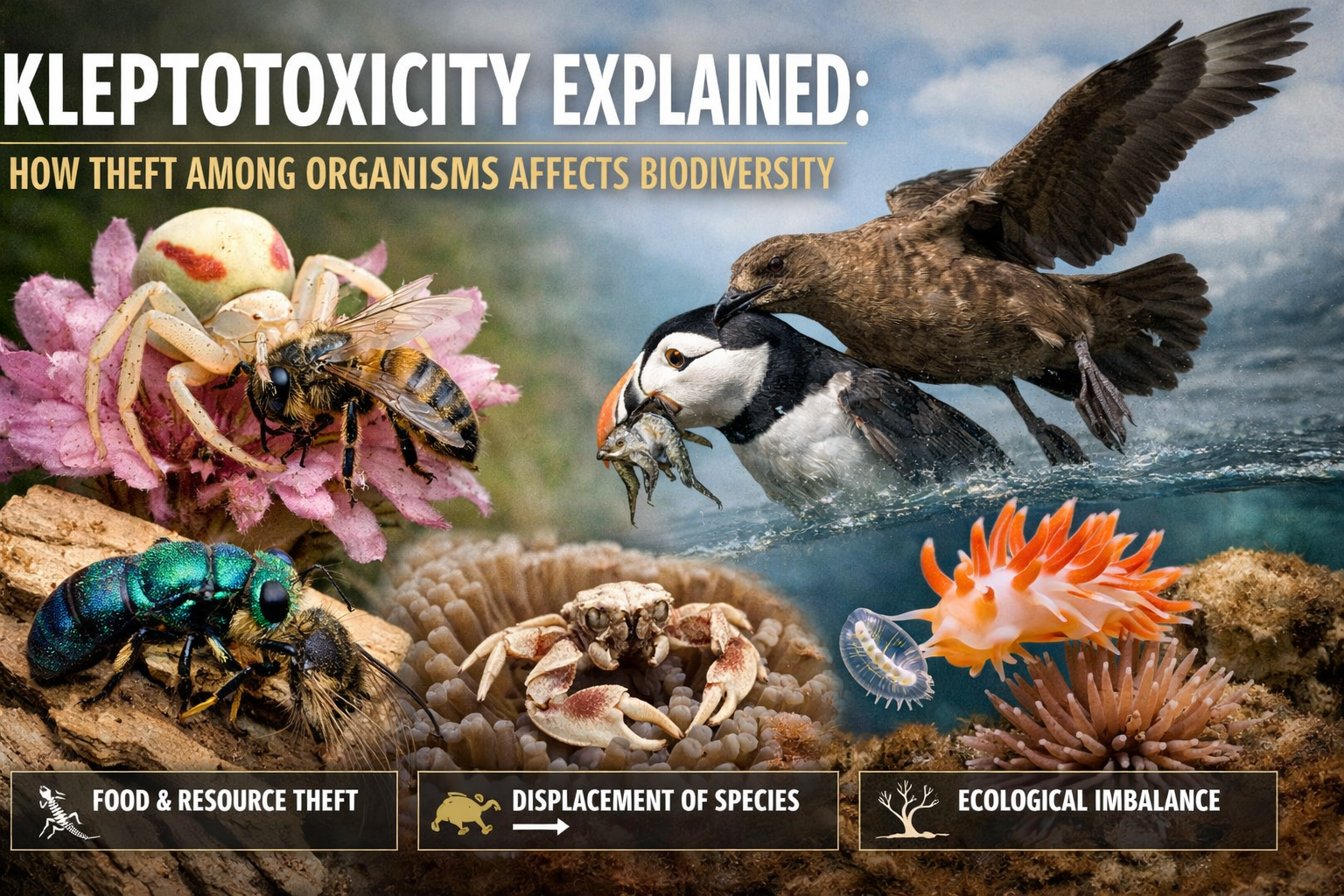
In the intricate web of life, survival often takes unexpected turns. One such twist is kleptotoxicity—a fascinating phenomenon where organisms use theft as a weapon against their rivals. Imagine a world where stealing isn’t just about gaining resources but also about inflicting harm. This concept doesn’t only exist in human society; it permeates nature’s biodiversity.
Kleptotoxicity plays a crucial role in shaping interactions among species and maintaining ecological balance. As we delve deeper into this captivating topic, prepare to uncover how these covert acts of biological theft influence ecosystems and affect countless organisms’ lives. Join us on this journey through the wild side of nature’s tactics!
Understanding Kleptotoxicity
Kleptotoxicity refers to the harmful effects that arise when one organism steals resources from another, often leading to toxicity or death. This strategy is not limited to just theft; it involves a cunning twist where stolen materials are weaponized against their original owners.
In nature, this phenomenon can be seen across various species, including plants and animals. It highlights an intricate relationship between competition and survival—where taking what belongs to others can have dire consequences for both parties involved.
Mechanism of Kleptotoxicity
Kleptotoxicity operates through the release of chemical compounds that can harm or incapacitate other organisms. These toxins are often secreted into the environment, affecting competitors and prey alike.
When ingested or absorbed, these substances disrupt physiological processes in target species. This mechanism not only aids in resource acquisition but also reduces competition for essential nutrients and space within ecosystems, illustrating a complex interplay between survival strategies among different organisms.
Evolutionary Significance
Kleptotoxicity plays a crucial role in the evolutionary arms race between species. It drives adaptations in both predators and prey, leading to a dynamic interplay of survival strategies. Organisms that develop effective kleptotoxic mechanisms can outcompete rivals for resources.
This form of chemical warfare enhances genetic diversity within ecosystems. By influencing reproductive success and population dynamics, kleptotoxicity shapes community structures over time, fostering resilience among species facing environmental changes. Such interactions highlight the complexity of ecological relationships in nature.
Real-World Examples
Kleptotoxicity is vividly illustrated in the animal kingdom. For instance, certain species of sea slugs can steal and utilize toxins from their prey, like sponges. This allows them to gain chemical defenses against predators.
Another example includes some species of ants that raid other colonies for resources. They not only take food but also secrete substances that disrupt their rivals’ communication and behavior. Such strategies showcase how kleptotoxicity plays a crucial role in survival and competition among organisms.
Kleptotoxicity in Nature vs Other Defensive Strategies
Kleptotoxicity stands out in nature as a unique defensive strategy. Unlike typical physical defenses like shells or spines, it involves chemical warfare. Organisms release toxins to deter potential thieves from stealing their resources.
This approach can be more effective than mere aggression. By targeting the thief’s physiology directly, kleptotoxic species ensure that their own survival isn’t compromised. This fascinating method adds complexity to predator-prey dynamics and highlights the vast array of survival tactics found in ecological systems.
Role in Chemical Ecology
Kleptotoxicity plays a vital role in chemical ecology by influencing interactions among species. It showcases how organisms utilize chemical defenses to deter competitors and predators, ensuring their survival.
In this intricate web of life, kleptotoxic substances can shape community dynamics. They affect predator-prey relationships and resource availability, ultimately impacting biodiversity. Through these chemical signals, organisms communicate threats and establish dominance over territory, revealing the complexity of ecological relationships in nature.
Scientific and Medical Relevance
Kleptotoxicity extends beyond ecology, touching on scientific and medical research realms. Understanding the chemical mechanisms behind kleptotoxic behaviors can illuminate disease processes in humans. For instance, certain marine species exhibit these traits that could inspire new drug development.
Moreover, studying kleptotoxic interactions helps scientists explore evolutionary biology and ecological balance. Insights gained may lead to breakthroughs in understanding toxin resistance or even novel therapeutic approaches for various ailments affecting human health.
Current Relevance and Future Research
Kleptotoxicity is gaining traction in scientific discussions, particularly regarding its implications for biodiversity. Researchers are increasingly focused on how this phenomenon influences species interactions and ecosystem dynamics. Understanding kleptotoxicity can shed light on evolutionary adaptations that shape communities.
Future research may explore the genetic basis of kleptotoxic traits and their role in chemical ecology. Investigating these aspects could reveal novel insights into organism behaviors, potentially leading to advancements in conservation strategies aimed at preserving diverse ecosystems.
Importance for Biodiversity
Kleptotoxicity plays a crucial role in shaping biodiversity. By influencing species interactions, it can determine which organisms thrive and which decline. This dynamic creates a complex web of relationships within ecosystems.
Moreover, kleptotoxic behaviors can drive evolutionary changes. Species that develop defenses against these toxic thefts may flourish, leading to increased diversity. As new adaptations emerge, the overall resilience of ecosystems strengthens, ensuring their ability to withstand environmental changes and challenges.
Impact on Ecosystems
Kleptotoxicity can disrupt the delicate balance of ecosystems. When one organism steals resources from another, it creates a ripple effect that alters population dynamics. This theft can lead to declines in prey species, affecting predators reliant on them.
Moreover, kleptotoxic interactions may change habitat structures and nutrient cycles. As certain species thrive while others dwindle, the overall biodiversity suffers. Such shifts highlight how interconnected life is and remind us of the fragility inherent within natural environments.
Human Activities and Kleptotoxicity
Human activities significantly impact kleptotoxicity in various ecosystems. Pollution from industrial processes introduces harmful chemicals that can enhance the effects of kleptotoxic substances produced by organisms. This creates a cascade effect, disrupting natural balances.
Additionally, habitat destruction alters species interactions and competitive dynamics. As native predators face increased stress, they may rely more on chemical defenses like kleptotoxicity to survive. Understanding these connections is critical for mitigating adverse effects on biodiversity and ecosystem health.
Mitigation and Restoration Efforts
Mitigation and restoration efforts targeting kleptotoxicity focus on enhancing ecosystem resilience. Conservation strategies aim to restore habitats affected by toxic theft, promoting biodiversity recovery.
Community engagement is crucial in these efforts. Educating the public about kleptotoxicity can foster better practices that support healthy interactions among species. By incorporating sustainable methods, we can reduce human impact and encourage natural regulatory mechanisms within ecosystems, allowing them to thrive without harmful interference.
Addressing Kleptotoxicity for Environmental Health
Addressing kleptotoxicity is crucial for maintaining environmental health. Understanding its mechanisms empowers scientists and conservationists to develop strategies that mitigate harmful interactions in ecosystems. This can help protect vulnerable species from the negative impacts of toxic theft.
Community awareness also plays a vital role. Educating the public about kleptotoxicity fosters appreciation for biodiversity and encourages sustainable practices. By promoting healthier interactions among species, we contribute to restoring balance within ecosystems affected by this phenomenon.
Conclusion
Kleptotoxicity is a fascinating phenomenon that highlights the intricate relationships within ecosystems. By understanding how organisms engage in theft and its toxic consequences, we gain insight into the delicate balance of biodiversity.
This knowledge not only enriches our appreciation for nature but also emphasizes the importance of protecting these complex interactions. As human activities continue to impact natural habitats, recognizing kleptotoxicity’s role can inform conservation efforts.
Moving forward, continued research will be vital in addressing challenges posed by both kleptotoxic behaviors and environmental changes. Prioritizing ecological health will ensure that diverse biological systems thrive for future generations.