Is Your “Friendly” Serve Actually Costing You the Match Before It Starts?
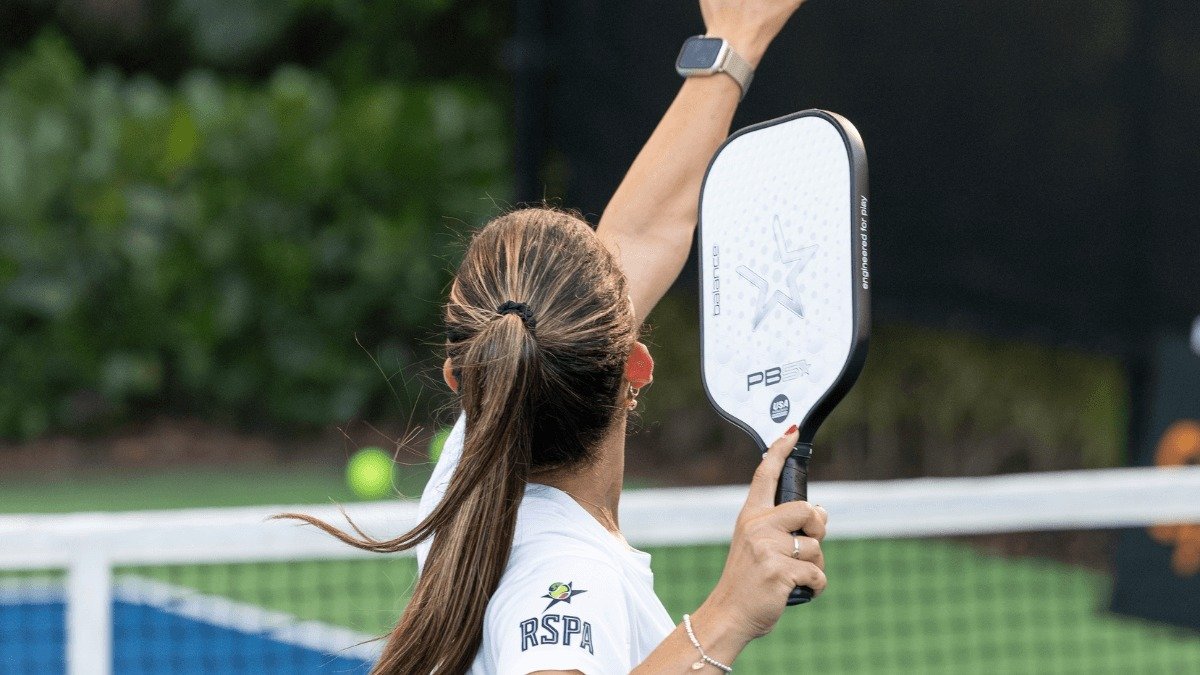
In the recreational world of pickleball, there is an unwritten social contract: “Just get the serve in.” We smile, we tap paddles, and we gently loft the ball over the net to start the rally. It feels polite. It feels safe. It keeps the game moving.
But as you transition from casual Sunday play to competitive matches—whether in a local league or just a grudge match against your neighbors—that “friendly” serve transforms from a courtesy into a liability. It becomes the silent killer of your win rate.
We often analyze why we lost a point based on the final shot—the missed dink or the popped-up volley. However, if you rewind the tape, you will often find that the seeds of that destruction were sown five shots earlier, with a serve that landed shallow and soft in the middle of the box.
The serve is the only shot in pickleball where you have complete, closed-loop control. You are not reacting to an opponent’s spin or pace. You are the architect. If you are not building a fortress with your serve, you are building a trap for yourself.
The Tactical Disaster of the Short Serve
To understand why depth is non-negotiable, we have to look at the geometry of the return.
When you serve a ball that lands short—in the front or middle of the service box—you are issuing an invitation. You are inviting the returner to step into the court.
This forward movement is devastating for two reasons:
- Momentum: By stepping forward to meet the ball, the returner is already moving toward their goal: the Non-Volley Zone (the kitchen). They hit the ball and their momentum naturally carries them to the net. They arrive at the kitchen line quickly and comfortably.
- Angles: A ball struck from further up in the court opens up wider angles. From a short position, the returner can easily drive the ball past you down the line or hit a sharp cross-court angle that stretches you wide.
Essentially, a short serve hands the advantage to the returner on a silver platter. They get to the net faster, they have better angles, and they are under zero pressure. You, the server, are now stuck at the baseline, scrambling to defend against an opponent who is already established at the net. You are playing catch-up before the rally has even truly begun.
The “Deep” Philosophy: Pinning Them Back
Now, contrast this with a deep serve—one that lands within the back 12-18 inches of the court.
When the ball goes deep, the returner cannot step forward. Often, they have to rock back on their heels or take a step backward to create space to swing.
This backward movement is the key. It halts their momentum. Instead of flowing naturally toward the net, they have to stop, hit the shot, and then restart their forward motion. That split-second delay is precious. It buys you and your partner time.
Furthermore, hitting a return from deep in the court (near the fence) is biomechanically more difficult. The returner has to generate more power to get the ball back over the net. They are hitting from a defensive posture. This increases the likelihood that their return will be short or floaty—giving you the opportunity to hit a strong third shot.
The Global Industrial Mindset: Efficiency and Pressure
Think of your serve like a Global Industrial supply chain: it needs to be reliable, consistent, and designed to minimize downstream errors.
A “friendly” serve creates chaos downstream. It forces you to hit difficult third shots. A deep, consistent serve creates order. It forces the opponent into a predictable, defensive response. It streamlines the point.
You don’t need to serve aces. In fact, trying to serve aces is often counterproductive because it leads to faults. You simply need to apply constant, low-level pressure. You want your opponent to feel like they are starting every point with their back against the wall—literally.
The Mental Hurdle: Risk vs. Reward
Why do so many players persist with the short, friendly serve? Fear.
The fear of faulting is powerful. Hitting the ball deep carries the risk of hitting it long. But this is a misunderstanding of risk.
If you serve short and “safe,” you might not fault, but you are statistically more likely to lose the point because you have given up the advantage. You are “dying a slow death.” If you serve deep, you might hit one or two balls out, but the points you play will be tilted in your favor.
To overcome this fear, you need to change your target visualization. Don’t aim for the baseline; that is too risky. Aim for a “deep zone”—imagining a stripe of paint about three feet inside the baseline. If you miss your target short, you are still in the middle of the box (safe). If you miss long, you might hit the line (perfect).
Mechanics of Depth: Lift, Don’t Smack
Achieving consistent depth isn’t about swinging harder; it’s about swinging “longer.”
Many beginners try to muscle the ball with a short, jerky motion. This leads to inconsistency. The secret to a heavy, deep serve is a pendulum arm swing.
- The Setup: Stand in a closed or semi-open stance.
- The Contact: Contact the ball out in front of your body, below your waist.
- The Follow-through: This is the most critical part. Your paddle should finish high, often over your opposite shoulder. Think of it as “lifting” the ball deep into the court rather than slapping it.
The trajectory should be an arc, not a laser beam. A higher arc allows you to use the full length of the court. It clears the net safely and dives into the backcourt, forcing that awkward high bounce that returners hate.
Conclusion
The next time you step up to the baseline, resist the urge to just “put the ball in play.” That mindset is a relic of your beginner days.
Look at your opponent. Look at their feet. Make a conscious decision to push them back. Make them uncomfortable. Make them work for every inch of court they want to gain.
By shifting your focus from “safety” to “strategic depth,” you take control of the match from the very first second. You stop being a participant in the point and start being the director.If you are ready to stop being the “nice” server and start being the formidable one, you need to drill these specific targeting mechanics. Following a structured Step-by-Step Deep Serve Instructions guide is the best way to calibrate your arm and eye for that critical back-third zone. Until then, remember: depth is your best defense, and your first offense. Push them back, and the game is yours.