How to Choose the Right Plants for Every Season
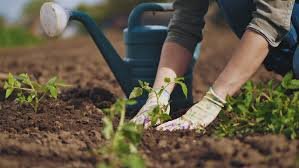
Gardening in a four-season climate requires careful plant selection. With changing temperatures, moisture levels, and light throughout the year, it’s important to choose plants that can thrive in varying conditions. Whether you’re creating a small patio garden or managing a larger backyard, understanding how to select plants for each season ensures a healthy, vibrant space year-round. Visiting a trusted garden center in Salt Lake City can provide expert advice and access to plants suited to the region’s climate. Before you go, it’s helpful to know what to look for in each season.
Spring: Fresh Starts and Colorful Blooms
Spring is a time of renewal, perfect for planting annuals, perennials, and vegetables. As the soil warms and days lengthen, plants awaken and start growing vigorously.
Ideal Spring Plants
- Bulbs: Tulips, daffodils, and hyacinths should be planted in fall to bloom beautifully in early spring.
- Perennials: Consider peonies, hostas, and daylilies, which come back stronger each year.
- Cool-season vegetables: Lettuce, spinach, kale, and peas grow well in early spring temperatures.
Spring is also an excellent time to assess your garden layout. Adding mulch and amending the soil will improve plant health throughout the growing season. Choosing the right plants now lays the foundation for a vibrant garden as it gets warmer.
Summer: Sun-Loving and Drought-Tolerant Picks
Summers are hot and dry, making sun-loving, low-water plants ideal. Trusted garden centers often feature a section for heat-tolerant plants.
Best Plants for Summer
- Annuals: Zinnias, marigolds, cosmos, and petunias thrive in full sun and offer vibrant colors.
- Herbs: Basil, oregano, thyme, and rosemary enjoy the heat and can be harvested regularly.
- Drought-resistant choices: Coneflowers, lavender, and Russian sage require little watering once established.
Summer maintenance means regular watering, especially for container gardens. Water in the early morning to reduce evaporation. Use shade cloths or plant near taller perennials to protect delicate flowers from peak heat.
Fall: Preparing for Dormancy and Lasting Color
Autumn’s cooler temperatures are ideal for planting hardy plants and preparing your garden for winter. It’s also the perfect time to add trees and shrubs, allowing them to establish roots before the ground freezes.
Fall Favorites
- Perennials for fall color: Sedum, asters, and mums add rich tones of red, orange, and yellow.
- Trees and shrubs: Plant maple, serviceberry, and juniper varieties to develop strong root systems before winter.
- Cool-season vegetables: Broccoli, Brussels sprouts, and carrots can be planted in late summer for a fall harvest.
Fall planting keeps your landscape beautiful longer, and plants established now will return stronger in the spring. Adding compost nourishes the soil through the colder months.
Winter: Planning, Evergreens, and Indoor Plants
Winter may seem like a quiet time for gardening, but it’s a great opportunity to plan and add structure. Even in the snow, certain plants can bring color and texture to your outdoor spaces.
Winter Planting Tips
- Evergreens: Boxwoods, spruces, and pines add structure and retain their green hue year-round.
- Winter-interest plants: Red twig dogwood and holly provide color and visual appeal in snowy landscapes.
- Indoor gardening: Amaryllis, paperwhites, and succulents bring life indoors while your outdoor garden rests.
Designing next year’s layout and researching native species during winter can maximize your planting season. Visiting local garden centers in winter also provides guidance and indoor gardening supplies.
Key Considerations for Seasonal Plant Selection
When choosing plants for your garden, always keep these important factors in mind:
- Hardiness Zone: The area falls within USDA zones 6a to 7b, so choose plants that thrive in this range.
- Soil Type: Conduct a soil test to know your pH level and nutrient content before planting.
- Sun Exposure: Observe how much sunlight different areas of your garden receive and select plants accordingly.
- Watering Needs: Opt for native and drought-tolerant plants to reduce water usage and promote sustainability.
Working with experts at a local garden center ensures your selections align with the region’s conditions, saving time, money, and energy in the long run.
Conclusion
Creating a garden that blooms year-round is easier when you choose plants suited to each season. Every time of year offers unique planting opportunities, and with some planning, your outdoor space can thrive no matter the season. Whether you’re starting from scratch or refreshing your landscape, visiting a trusted local garden center can provide valuable advice, seasonal plant options, and the tools you need for a successful garden.