How to Blend Hardscaping and Planting for a Balanced Garden
You’ve finally decided to tackle the garden, but you’re standing there staring at a pile of grey paving slabs and a lonely bag of compost.
If you go all-in on stone, you’ve built a car park. Go all-in on plants, and you’re living in a Jumanji-style jungle.
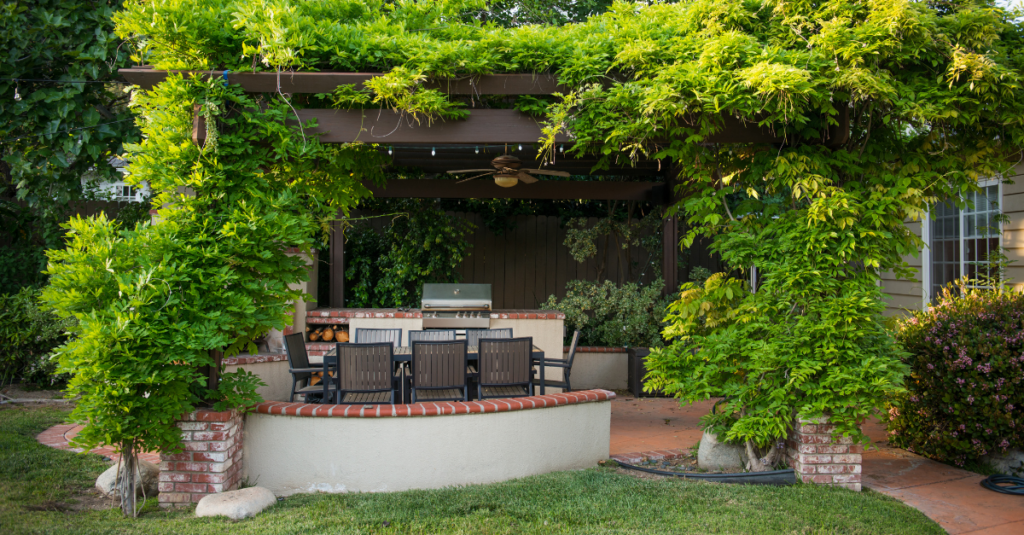
The secret to a garden that actually looks like a magazine cover is the harmony between the structures and the greenery.
In this guide, we’ll show you how to marry stone and soil without someone filing for divorce. So, let’s turn that bland rectangular plot into a balanced sanctuary.
Lay the Structural Foundation First
Before you get seduced by the floral displays at the local garden centre, you need to think about the bones of the space. Hardscaping—the patios, paths, and walls—is the skeleton of your garden, providing the essential structure that holds everything together.
Without a solid frame, your plants will just look like a messy heap of green laundry dropped on the floor. Map out where you’ll actually be standing, sitting, or walking before you commit to a single rose bush.
A well-placed patio provides a destination, while a winding path creates a journey through the space. Many homeowners make the mistake of making their masonry too small, leaving them cramped when the BBQ comes out.
Give your ‘bones’ enough room to breathe, and the rest of the garden will naturally fall into its rightful place. If you’re unsure where to start, professional landscapers can help you sketch a layout that avoids future headaches.
Taking the time to measure your space properly prevents the dreaded ‘too much stone, not enough soil’ dilemma later on.
Choose Hard Materials That Complement Nature
The materials you choose for your hardscaping will set the tone for how well your plants sit alongside them.
Natural stone, reclaimed brick, and timber all tend to blend beautifully with planting because they already feel organic. Sleek concrete and polished porcelain look stunning too, but they need carefully chosen planting to bring warmth and balance.
Gravel is quite a popular choice in the UK, especially for low-maintenance gardens, because plants can self-seed into it, softening edges naturally over time. It’s a bit like the garden doing the blending for you, which is rather convenient.
Plan Your Planting Zones Around Hard Features
Once your hardscaping is in place, it’s time to think about where your plants will actually go, and that means planning zones.
Think of the areas immediately around hard features as opportunities, not bits you fill in at the end. The edges of a patio, the base of a wall, the sides of steps—these spots demand planting that softens the transition between structure and garden.
Use this approach to guide your decisions:
- Boundary zones require climbers and wall shrubs to soften fences and walls;
- Edge zones feature low-growing perennials and grasses along path and patio edges;
- Raised beds allow for structured planting within hard borders for herbs, vegetables, or flowers;
- Focal points highlight statement plants near pergolas, archways, or garden seating areas;
- Fill zones use ground cover and spreading plants to fill gaps between hard surfaces.
This makes the garden feel planned and cohesive, rather than plants being scattered randomly.
Use Plants to Soften Hard Edges
Hard edges can look lovely, but when they’re too crisp and clean, your garden can feel a bit rigid. Plants are brilliant at changing this entirely.
Straight lines and sharp corners are great for stability, but they can feel a bit harsh on the eye if left exposed. Use plants to blur the boundaries where the stone meets the soil. You can tuck creeping thyme or chamomile into the gaps between paving stones.
Additionally, spilling plants like Alchemilla mollis or low-growing hardy geraniums are perfect for draping over the edge of a stone wall. This creates a seamless transition, making it look as though your garden grew around the stone rather than the stone being dropped onto it.
It’s all about breaking up those rigid geometric shapes with flowing textures that invite the eye to wander. In the damp UK climate, these softening plants also help absorb excess runoff from your paved surfaces.
Think of these plants as the cushions on a wooden bench; they make the hard surfaces feel far more welcoming. A few well-placed pots at the corner of a path can also break up a long, boring line of masonry.
Choose a Consistent Palette
If you have five types of stone and twenty flower colours, your garden will start to look like a disorganised jumble. Balance comes from harmony, which is easiest to achieve with a limited colour and material palette.
Match the tones of your stonework to your plants for a sophisticated, high-end look. Grey slate suits cool blues and purples, while honey-toned stone pairs beautifully with warm oranges and yellows.
Consistency makes a space feel intentional and calm, rather than a frantic collection of random purchases. In various regions across the UK, using local stone helps your garden feel connected to its surroundings.
Think of your paving as the canvas and your plants as the paint; they must work together.
Layer Your Planting for Depth and Interest
The most naturally balanced gardens rarely have planting all at the same height. Layering creates depth, and depth makes a garden feel rich rather than flat.
Think in three tiers: tall structural plants at the back or centre, mid-height flowering plants in the middle ground, and low ground cover or edging plants at the front. This mirrors how plants grow in nature, which is why it always looks so good.
Evergreen plants at the structural level are particularly useful in the UK, where winters can strip a garden bare and leave hardscaping looking a bit exposed and forlorn.
Don’t Forget Maintenance When You Plan
Here’s where many gardens unravel. A beautifully blended design can start to look neglected if the planting outgrows the space or starts creeping into places it shouldn’t.
This is why we recommend choosing plants that are appropriate to your time and energy. If you’d rather spend Sunday mornings reading than pruning, go for low-maintenance perennials and shrubs rather than high-maintenance topiary and tender bedding.
If you want your garden looking its best, professional London gardeners can help restore that delicate balance without you having to spend a weekend knee-deep in it.
Conclusion
Now, you’re officially ready to play matchmaker between your paving and your perennials!
By following these steps, you can create a space that feels solid yet inviting, and structured yet wild. Now, go grab a spade and start blending. Your very own slice of balanced bliss is just a few slabs away!