How Technicians Handle Complex Furnace Repair Issues Like Ignition Problems, Blower Malfunctions, and Heat Exchange Failures
A well-functioning furnace is the cornerstone of a comfortable home during the colder months, providing consistent warmth, improving indoor air quality, and maintaining a safe living environment. Over time, furnaces experience wear and tear due to constant use, dust accumulation, and aging components, which can lead to reduced efficiency, inconsistent heating, or even serious hazards. Timely furnace repair is essential for homeowners to maintain safety, prevent costly damage, and extend the lifespan of their heating systems. Understanding how furnaces operate, identifying common issues, and knowing the steps involved in repair and maintenance allows homeowners to make informed decisions and ensures that their heating system performs optimally when it is needed most.
Understanding the Importance of Furnace Repair
Many homeowners overlook minor furnace problems until they escalate into serious malfunctions. Ignoring warning signs such as unusual noises, uneven heating, or higher energy bills can lead to total system failure or potentially dangerous situations such as carbon monoxide leaks. Proper furnace repair addresses these issues at their source, restoring efficiency, reliability, and safety. Furnaces are intricate systems that include burners, heat exchangers, blowers, ignition systems, and ventilation components. A malfunction in any of these parts can compromise performance, increase energy consumption, and create hazardous conditions. For example, a damaged heat exchanger can release carbon monoxide into the home, posing severe health risks. Therefore, understanding the necessity of repair and involving qualified professionals is crucial for ensuring both safety and optimal performance.
Common Furnace Problems
Homeowners often encounter several recurring issues that require professional attention. Recognizing these problems early allows for timely intervention, reduces the risk of further damage, and improves comfort. One of the most frequent issues is lack of heat or uneven heating, which may be caused by a faulty thermostat, clogged filters, or malfunctioning burners. Furnaces may also experience frequent cycling, known as short cycling, which occurs when the system turns on and off too often due to airflow restrictions, dirty burners, or sensor malfunctions. Strange noises such as banging, rattling, or squealing can indicate loose components, motor problems, or airflow obstructions that need immediate attention. Gas furnaces may face ignition issues due to a dirty pilot light, faulty ignition sensors, or gas supply problems, and homeowners may also notice a sudden increase in energy bills if the furnace operates inefficiently. Weak or inconsistent airflow can point to blower motor malfunctions, duct issues, or blocked vents. Addressing these issues promptly through professional furnace repair prevents minor problems from escalating into major malfunctions that could require expensive replacements.
Steps Involved in Furnace Repair
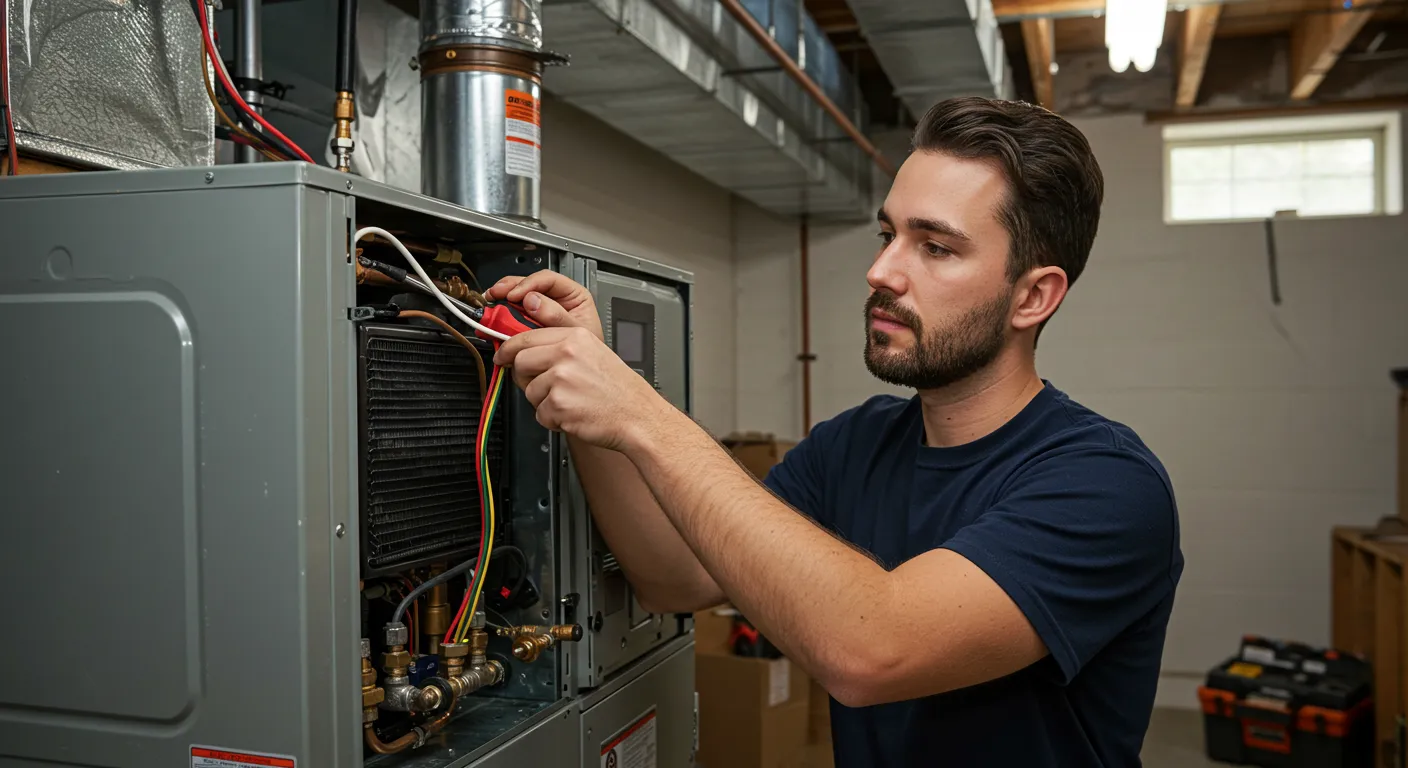
Repairing a furnace requires a systematic approach and specialized knowledge. While some minor tasks, such as changing filters or cleaning vents, can be performed by homeowners, most repairs should be handled by licensed professionals to ensure safety and compliance with building codes. The repair process typically begins with a comprehensive inspection of the furnace system. This includes examining burners, heat exchangers, blowers, ignition components, thermostats, gas lines, and electrical connections. Accurate diagnosis identifies the root cause of the problem rather than simply addressing symptoms, which ensures the repair is effective and long-lasting.
Following the inspection, cleaning and testing individual components is essential. Dust, dirt, and debris accumulation can cause ignition failure or reduce airflow, which impacts efficiency and performance. Components such as burners, flame sensors, filters, and vents are cleaned and inspected for wear or damage. Once the problem areas are identified, faulty parts are repaired or replaced, which may include blowers, thermostats, ignition systems, or sensors. Using manufacturer-approved parts ensures compatibility, durability, and safety. After repairs, the furnace undergoes a full system test to verify proper heating, airflow, and cycling. Calibration of the thermostat and adjustments to the blower system ensure the furnace operates efficiently and safely. Finally, homeowners are provided with guidance on preventive maintenance, including regular filter changes, system inspections, and proper operation practices to prevent future issues and maintain peak performance throughout the heating season.
DIY vs. Professional Furnace Repair
While homeowners can manage routine maintenance such as changing filters or cleaning vents, most furnace repair tasks require professional intervention due to the risks involved. Furnaces contain gas lines, high-voltage electrical components, and complex mechanical systems that can pose serious safety hazards if handled improperly. Attempting repairs without proper training can lead to gas leaks, electrical shocks, or irreversible damage to the system. Licensed professionals have the expertise, tools, and experience to identify and resolve issues safely, efficiently, and in accordance with manufacturer specifications and safety codes. Professional repairs also often come with warranties on parts and labor, offering homeowners additional protection and peace of mind. By relying on experts, homeowners ensure that their heating systems remain reliable, safe, and efficient for the entire season.
The Role of Preventive Maintenance
Preventive maintenance plays a critical role in reducing the need for emergency furnace repairs and improving the overall lifespan of the system. Routine inspections, typically conducted before the heating season begins, help detect potential issues such as worn belts, clogged burners, malfunctioning sensors, or compromised heat exchangers. Preventive tasks include cleaning and lubricating moving parts, inspecting and testing electrical components, replacing filters, and ensuring that gas lines and venting systems are functioning correctly. This proactive approach not only enhances efficiency and reduces energy consumption but also minimizes the likelihood of unexpected breakdowns during cold weather. Regular maintenance ensures consistent performance, lowers long-term repair costs, and maintains a safe indoor environment for household members.
Energy Efficiency and Furnace Repair
A properly repaired and maintained furnace operates at peak efficiency, providing consistent warmth while minimizing energy consumption. Malfunctioning components, clogged filters, and uncalibrated thermostats can cause the system to work harder than necessary, leading to higher utility bills and increased wear on the furnace. Addressing these issues through professional furnace repair restores optimal operation, reduces energy costs, and ensures reliable heat delivery. In some cases, upgrading to modern components such as programmable thermostats or high-efficiency blowers during repair can further improve energy savings and system performance. Efficient furnace operation is not only cost-effective but also environmentally responsible, reducing the home’s carbon footprint.
Safety Considerations in Furnace Repair
Safety is a paramount concern in all furnace repair activities. Gas furnaces pose the risk of leaks or carbon monoxide exposure, while electric systems contain high-voltage components. Licensed technicians follow strict safety protocols, including shutting off power and gas supply before performing repairs, testing for carbon monoxide leaks, and ensuring proper ventilation. Homeowners should never attempt major furnace repairs without professional guidance, as even seemingly minor errors can result in serious hazards. Proper repair and maintenance practices guarantee that the system functions safely, protecting both the home and its occupants from potential risks.
Cost Considerations for Furnace Repair
The cost of furnace repair varies depending on the severity of the problem, the type of furnace, and the age of the system. Minor repairs such as replacing a thermostat, cleaning burners, or adjusting airflow are generally more affordable, while major repairs such as heat exchanger replacement, blower motor repair, or ignition system work can be more expensive. Investing in timely repairs prevents emergency breakdowns, reduces the need for extensive replacements, and ensures continued comfort. Many homeowners find that preventive maintenance combined with early intervention provides the best long-term value, keeping the furnace reliable and efficient while minimizing unexpected expenses.
Conclusion
In conclusion, furnace repair is an essential aspect of home heating maintenance that ensures safety, efficiency, and comfort. From early detection of common issues to professional repair, testing, and preventive maintenance, each step contributes to the reliable operation of the furnace throughout the heating season. Timely intervention prevents costly breakdowns, restores energy efficiency, and safeguards the wellbeing of household members. By understanding the importance of furnace repair, engaging qualified professionals, and maintaining the system proactively, homeowners can enjoy consistent warmth, lower energy bills, and a longer lifespan for their heating equipment. Investing in proper furnace care is not only practical but also a commitment to creating a safe, comfortable, and worry-free home environment during the colder months.