How Lumber Is Selected for Residential and Commercial Construction
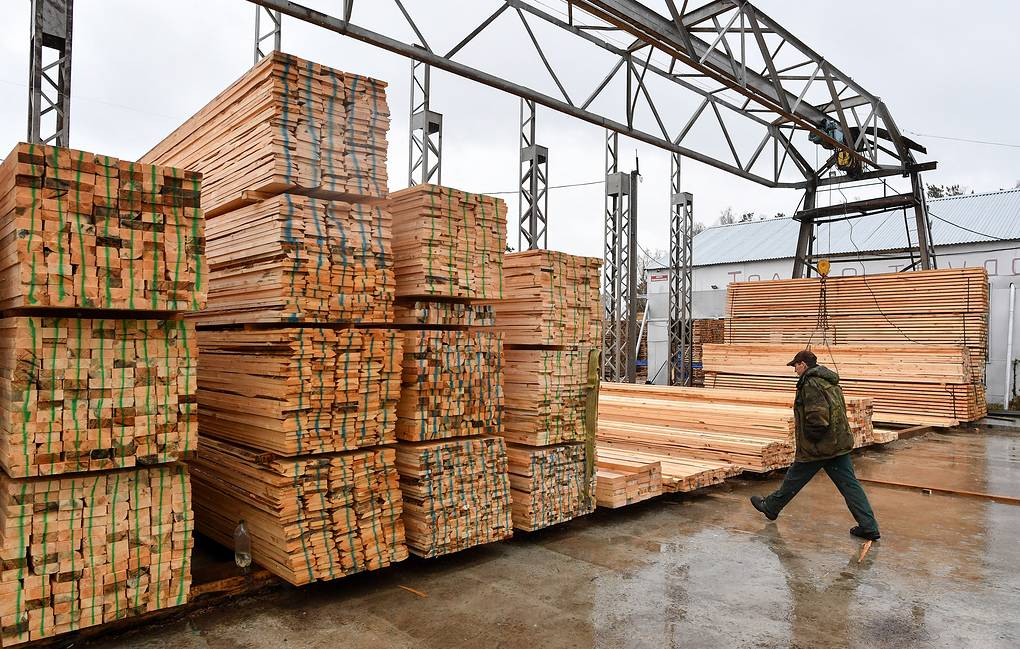
Selecting lumber for a building isn’t a random shopping trip to the closest wooden backyard. There’s a real approach in the returned of it due to the reality that the wrong choice may additionally need to suggest sagging floors, swelling door frames, or roofs that don’t sit effectively. Builders want to aggregate power, fees, weather elements, and architectural necessities. Every challenge, whether or not or now not it’s a small outdoor studio or a multi-tale workplace addition, includes someone reviewing drawings and making options about type, grade, and ordinary performance of wood. This choice manner often sits beside budgeting conversations, wherein someone would possibly request a Lumber Takeoff so the numbers are clear in advance than some thing receives ordered.
Types of Lumber Used in Construction
Residential and enterprise duties regularly share similar cloth instructions, but they do not continuously require the same wonderful ranges or structural needs. Softwoods dominate framing. Hardwoods lean within the course of completing paintings. And engineered lumber covers the prolonged spans and intricate loads.
Softwood for Structural Frames
Softwood lumber (pine, spruce, fir) will become the skeleton of most structures as it’s clean to cut, moderate-weight, and rather strong for its fee. Carpenters understand the way it behaves, and inspectors like its predictability.
Builders select outwood because of the fact:
- It nails cleanly and quickly
- It consists of weight without over-flexing
- It’s widely available in lengthy lengths
- It enables maintaining framing lumber takeoff budgets inexpensively
Commercial builders use it too, particularly in low-rise places of work or pre-fabricated panel structures.
Hardwood for Finishes
Hardwood arrives later within the approach while partitions are up and floors are set up. Its foremost system is to make the indoors sense finished. Maple flooring, very well-stair treads, walnut trim, cherry desks in foyer areas—these are the components occupants want.
Hardwood alternatives involve searching for:
- Grain and colour
- Wear resistance
- Moisture sensitivity
- Cost relative to rectangular photographs
Commercial regions with heavy foot traffic web page visitors would probably lean towards extremely tough species or engineered prefinished panels.
Read More: Dimensional 2×6 Lumber Sizes Applied in Building and Remodeling of Home
Engineered Wood for Modern Demands
Engineered lumber fills the gaps that traditional forums can’t cover. Open ground plans in residential houses, big spans in retail stores, and roof systems in warehouses often depend upon engineered beams.
Common engineered alternativesincludey:
- LVL (Laminated Veneer Lumber) for beam power
- Glulam for extended spans and curved shapes
- OSB & Plywood for floors, walls, and roofs
These products stay dimensionally robust and reduce problems associated with warping and shrinking over time.
Environmental and Climate Considerations
Climate has a quiet, however powerful impact on lumber’s basic overall performance. Wood lives with the building. It expands, contracts, dries out, or pulls moisture relying at the location. Someone constructing in an arid wasteland doesn’t face the equally demanding situations as a person jogging alongside a humid shoreline.
Matching Lumber to Climate
Key troubles encompass:
- Humidity can cause swelling or mold in tight regions
- Temperature swings are affecting the enlargement
- Termites and bugs are worried about the handled lumber
- Snow loads call for stronger roof structures
Residential developers in humid areas often pick kiln-dried lumber to control moisture content in fabric and cloth. Commercial structures exposed to heavy loads might probably use engineered beams so seasonal movement doesn’t push tolerances too far. This mixing of environment and fabric choice is what maintains buildings’ comfort and stability.
Estimating and Planning Material Requirements
Most tasks start longer in advance than lumber indicates on internet site. Someone has to discern out portions, waste elements, charges, and delivery schedules. That’s where estimating practices are applied to the photo. When a builder contacts an estimator for a Lumber Takeoff, they’re essentially asking for an in-depth breakdown of what the plans want—how many studs, beams, panels, joists, headers, and so forth.
A Construction Estimating Company can take those statistics further by turning portions into budgets and advancement timelines. A small builder walking on a kitchen extension may not want that diploma of detail, however a industrial agency building a hotel in all likelihood does.
What Goes Into Estimating
Estimators take a look at:
- Framing plans
- Roof layouts
- Floor structures
- Finishing schedules
- Waste allowances
- Engineered beam necessities
A pinnacle takeoff prevents callbacks to companies requesting “a few extraordinary pallets of 2x6s” midwaythroughu a roofing weekend. When customers or contractors request a Construction Estimating Service, it continues the complete venture grounded in truth in preference to assumptions.
Common Selection Factors
Builders and designers don’t forget:
- Load goals (how a whole lot weight the formhase to guide)
- Span period (how a protracted way beams need to stretch without posts)
- Budget boundaries (substances vs. Labor alternate-offs)
- Fire scores and constructing codes
- Thermal and acoustic general overall performance
In business creation, protection codes generally play a more potent position, pushing designers towards engineered merchandise or fire-resistant treatments. Residential framing may be more conventional, despite the fact that this is Construction Estimating Services primarily based on place and layout fashion.
Frequently Asked Questions
What is a Lumber Takeoff used for?
A Lumber Takeoff permits the decision of the precise sorts and portions of wood desired for framing, roofing, flooring, and completing in advance of a project begins.
Why do commercial enterprise jobs use more engineered lumber?
Commercial houses often require longer spans, better masses, or fire ratings, making engineered products a higher form than critical dimensional boards.
Can owners benefit from a Construction Estimating Service?
Yes, specifically for renovations or additions in which cloth waste and budgeting errors can get costly.
What does a Construction Estimating Company do?
It evaluates architectural drawings, calculates fabric portions, estimates labor, and prepares fee documents to guide every budgeting and scheduling.
Does the weather affect lumber selection?
Absolutely. Moisture, warmth, insects, and snow all have an impact on which species or treatments make sense for long-term, simple, standard overall performance.
Final Thoughts
Selecting lumber ought to possibly look clean from the outdoors, but in the back of it sits a layered set of options—species, grade, treatments, climate factors, structural wishes, and completing goals. Builders lean on enjoyment. Estimators lean on numbers. And architects hover somewhere among every world’s, balancing splendor and practicality.
Residential and enterprise taskshavee many similarities, but they hardly ever face the same pressures. A residence goals comfort and cut down appeal. An industrial complex dreamsof sturdiness and code compliance. Lumber bridges the distance, proving that a herbal fabric can nonetheless meet contemporary advancement demands without losing its individuality.