How LED Bollard Lights Save Money & Improve Outdoor Safety
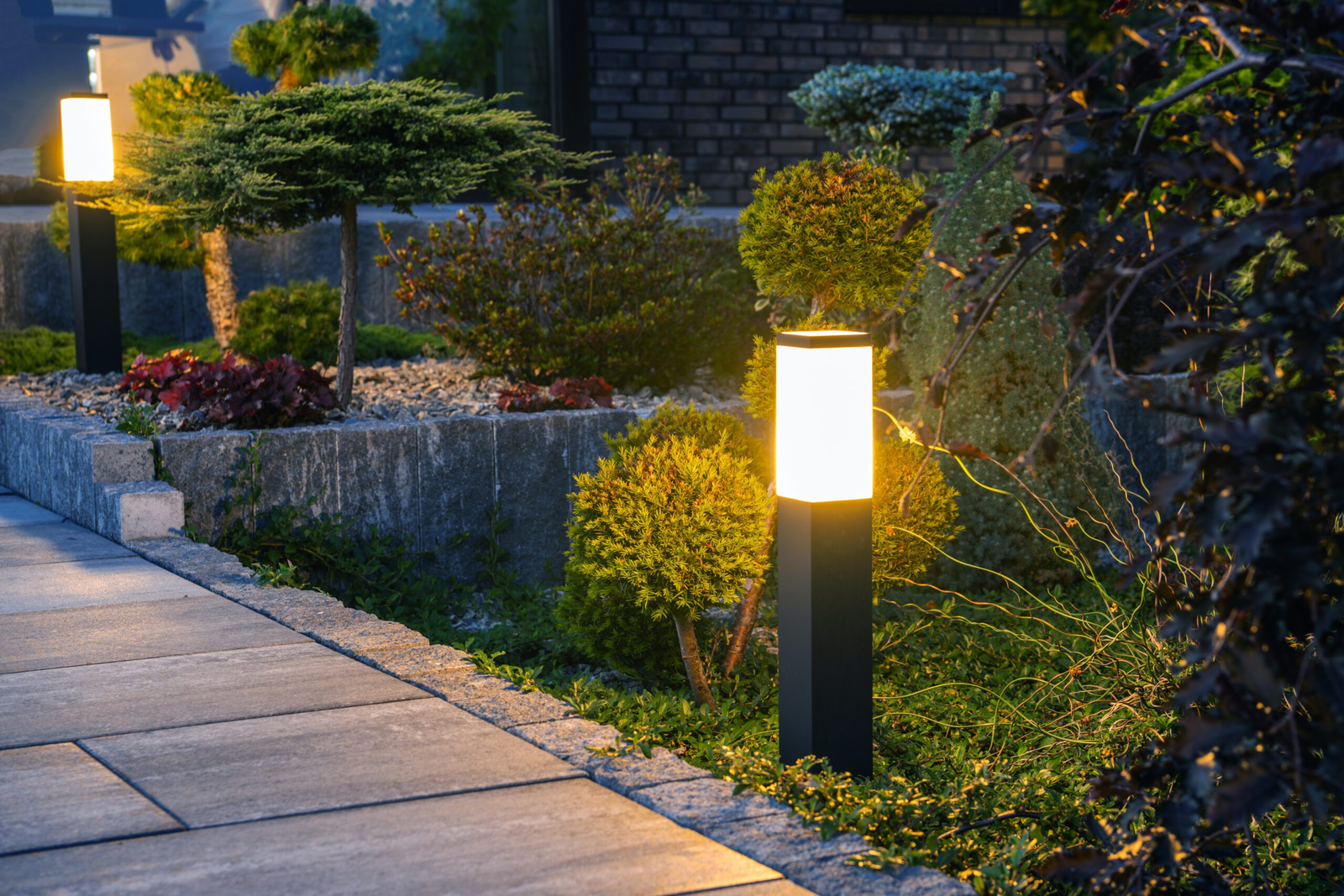
LED bollard lights are becoming standard fixtures in modern outdoor spaces. These are short, sturdy lighting posts installed at ground level. They illuminate pathways, driveways, and gardens effectively. Unlike tall light poles, bollard lights stay low and blend with landscapes. They provide both safety and visual appeal to properties.
What Are LED Bollard Lights?
LED bollard lights are vertical lighting fixtures installed directly into the ground. They typically range from 24 to 42 inches in height. These fixtures cast light onto surrounding areas to guide pedestrians safely.
The word “bollard” comes from maritime history. Ships used bollards to secure mooring ropes. Modern bollard lights keep this sturdy, upright design. They serve the same purpose—marking boundaries and guiding movement.
Quality LED bollard lights include these essential features:
- LED light source that produces bright illumination with zero heat output
- Durable materials like aluminum or stainless steel that resist rust and corrosion
- Weatherproof design protecting internal components from rain and moisture
- Low power consumption reducing monthly electricity bills
- Extended lifespan lasting 50,000 hours or more without replacement
- Various height and style options for different applications
- Available in solar-powered or electric versions
- Color temperature choices from warm white to cool daylight
Each component works together to create reliable outdoor lighting. The housing shields the LED from weather damage. The lens directs light where it’s needed most.
How LED Bollard Lights Work
LED bollard lights use simple technology. Light-emitting diodes convert electricity into visible light. This process generates minimal heat compared to older bulbs.
The basic components include:
- LED Module: Creates the light source. It’s extremely efficient and lasts much longer than traditional bulbs.
- Housing: Protects internal parts from weather. It’s made from corrosion-resistant materials.
- Lens or Diffuser: Controls how light spreads. Some spread light in all directions. Others focus it downward.
- Heat Sink: Keeps the LED cool during operation. This extends its lifespan.
- Power Source: Either electric wiring or a solar panel with battery.
Solar LED bollard lights work differently. A photovoltaic panel charges a battery during daylight. At sunset, the light automatically turns on. These require no electrical wiring installation.
Electric bollard lights connect directly to outdoor circuits. They provide consistent brightness every night. Installation requires trenching or conduit work.
Both types serve the same purpose. They deliver reliable illumination for outdoor spaces.
Key Benefits of LED Bollard Lights
Lower Energy Costs
LED bollard lights use 75-85% less electricity than halogen lights. A single LED bollard might use 5 watts. The same brightness from halogen requires 35 watts.
This difference adds up significantly over time. A property with 20 bollard lights saves hundreds of dollars yearly. The savings come from reduced electricity consumption.
Reasons why LED bollard lights save money:
- LEDs convert more energy into light, not heat
- They run 24/7 during nighttime hours without dimming
- Longer lifespan means fewer replacements
- Maintenance costs drop substantially
- No color fading or light degradation over time
Improved Safety and Visibility
Outdoor spaces become safer with proper lighting. Bollard lights eliminate dark zones where people trip or feel unsafe.
Safety improvements include:
- Clear pathway definition preventing stumbling
- Enhanced visibility for drivers entering properties
- Better surveillance camera performance at night
- Reduced risk for slip-and-fall incidents
- Clear marking of property edges and boundaries
- Improved navigation for guests and employees
People naturally avoid hazards they can see. Bollard lights create visibility that prevents accidents.
Long Service Life
LED bollard lights outlast older lighting technologies by years. Most LED models operate for 50,000 to 100,000 hours.
Here’s what this means practically:
- A light running 8 hours nightly lasts 17-27 years
- Minimal replacement requirements over decades
- Consistent brightness throughout the entire lifespan
- No gradual dimming or color changes
- Reduced frustration from sudden failures
- Better planning and budgeting for maintenance
This reliability makes LED bollard lights attractive for commercial properties. Facility managers prefer fixtures that require minimal attention.
Minimal Maintenance Requirements
LED bollard lights demand very little upkeep. They have no moving parts to wear out.
Maintenance tasks are simple:
- Clean lenses quarterly with a soft cloth
- Check electrical connections annually for corrosion
- Replace solar panels only after 25+ years
- Monitor for physical damage from weather or accidents
- Verify dusk-to-dawn sensors work properly
Most properties need just basic cleaning. Professional repairs are rarely necessary.
Environmental Benefits
LED bollard lights reduce environmental impact compared to alternatives. They consume less electricity from power grids.
Environmental advantages include:
- Lower carbon emissions from reduced electricity use
- No mercury or hazardous materials in LED components
- Recyclable aluminum and metal housings
- Minimal light pollution when designed with full cutoff optics
- Reduced strain on electrical infrastructure
Property owners choosing LED bollard lights make environmentally responsible decisions. This aligns with sustainability goals.
Real-World Applications for LED Bollard Lights
Residential Properties
Homeowners install LED bollard lights along driveways and walkways. They light the path to front doors. They define garden edges without blocking views.
Residential uses include:
- Driveway entrance markers guiding guests
- Pathway lighting for evening walks
- Garden perimeter definition
- Patio area illumination
- Property boundary marking
- Entryway accent lighting
Solar-powered options work well for residential installations. No trenching is needed. Setup is quick and simple.
Commercial and Corporate Campuses
Businesses use LED bollard lights throughout their properties. They illuminate parking areas and walkways. They enhance building entrances and create professional appearance.
Commercial applications include:
- Parking lot perimeter marking
- Employee and visitor pathways
- Building entrance highlighting
- Loading dock area lighting
- Landscape feature accenting
- Pedestrian zone definition
Consistent, uniform lighting across large areas is essential. Quality LED bollard lights deliver professional results.
Hospitality and Retail Locations
Hotels and restaurants use bollard lights for ambiance and safety. The lights guide guests while creating welcoming atmospheres.
Hospitality uses include:
- Resort pathway lighting
- Restaurant outdoor seating areas
- Hotel entrance and arrival zones
- Courtyard and garden illumination
- Pool deck safety lighting
- Decorative landscape accenting
Appearance matters in hospitality. Elegant bollard light designs enhance guest experience.
Public Spaces and Parks
Municipal areas benefit from bollard lights. Parks, plazas, and pedestrian zones all use this technology.
Public space uses include:
- Park pathway and walkway lighting
- Public plaza illumination
- University campus grounds
- Municipal building access areas
- Public garden features
- Recreation area safety lighting
Durability is crucial in public spaces. Quality LED bollard lights withstand weather and occasional impact.
Installation Considerations for LED Bollard Lights
Proper Spacing Between Lights
Spacing affects illumination quality and safety. Too much distance creates dark gaps. Too little causes unnecessary cost.
Spacing guidelines:
- 8-10 feet apart for high-traffic pathways
- 10-13 feet for general area lighting
- 6-8 feet for security-focused areas
- 12-15 feet for open spaces with ambient lighting
Professional designers use photometric calculations. They ensure uniform brightness across entire installations.
Height and Installation Depth
Most LED bollard lights stand 24-42 inches tall. Height choice affects light spread and visual impact.
Height considerations:
- 24-30 inches for intimate garden settings
- 30-36 inches for standard residential use
- 36-42 inches for commercial applications
- Taller heights provide better visibility for wide areas
- Shorter lights create softer, more aesthetic effects
Installation requires digging post holes. Typical depth is 12-18 inches depending on soil and wind exposure.
Wiring and Power Connections
Proper installation ensures safety and longevity. Electrical work requires weatherproof materials.
Installation requirements:
- Use low-voltage wire (12V or 24V) for safety
- Bury wiring in conduit below ground level
- Connect through weatherproof junction boxes
- Install proper surge protection for electrical lines
- Use outdoor-rated electrical components only
- Test all connections before final installation
Professional electricians should handle hardwired installations. Improper wiring causes failures and safety hazards.
Solar Panel Positioning
Solar LED bollard lights need clear sun exposure. Panel position affects charging and performance.
Solar considerations:
- Face panels south in northern regions for maximum sun
- Ensure no tree shade blocks panels during day
- Clean panels quarterly to maintain efficiency
- Check battery condition annually
- Position away from reflection surfaces that cause glare
Solar lights work best in sunny climates. Areas with frequent cloud cover get less consistent performance.
Maintenance and Care for LED Bollard Lights
Regular Cleaning
Dirt and debris reduce light output. Regular cleaning keeps fixtures performing optimally.
Cleaning schedule:
- Wipe lens surfaces every 3 months
- Clean solar panels quarterly with soft cloth
- Remove debris around fixture base
- Inspect for mud or leaves blocking light
- Use mild soap and water only
- Avoid harsh chemicals that damage finishes
Simple maintenance prevents performance issues. Most owners can handle cleaning themselves.
Inspection Procedures
Periodic inspections catch problems early. This prevents unexpected failures.
Inspection checklist:
- Check for water inside the housing
- Look for rust on metal components
- Verify electrical connections are tight
- Test automatic dusk-to-dawn sensors
- Confirm consistent brightness each night
- Check for loose lenses or diffusers
- Inspect wiring for damage or exposed sections
Quarterly inspections take just minutes. They catch issues before they become expensive.
When to Replace Components
LED bollard lights last decades. Some components may need replacement before others.
Replacement timeline:
- Solar batteries typically last 3-5 years
- Wiring may need replacement after 10-15 years
- Diffuser lenses might fade after 15-20 years
- Housing finishes may need refinishing after 20 years
- LED modules rarely fail before 50,000 hours
Quality fixtures minimize replacement needs. Budget accordingly for long-term maintenance.
Comparing LED to Older Lighting Technologies
Traditional halogen bollard lights consume excessive electricity. Incandescent options fail frequently. LED technology surpasses both options.
LED vs. Halogen
LED bollard lights use 75% less power than halogen. A 5-watt LED equals a 20-watt halogen in brightness. Operating costs drop dramatically.
Halogen lights generate intense heat. This heat damages nearby plants and materials. LEDs produce virtually no heat.
Halogen bulbs last 2,000-5,000 hours. LED modules last 50,000-100,000 hours. The difference is dramatic.
LED vs. Incandescent
Incandescent bulbs are extremely inefficient. They convert 90% of energy into heat. Only 10% becomes light.
Incandescent color shifts over time. LEDs maintain consistent color throughout life. Incandescent fixtures become noticeably dimmer with age. LEDs maintain brightness.
Incandescent bulbs fail without warning. LEDs degrade slowly. This provides time to plan replacement.
LED bollard lights clearly outperform older technologies in every category.
Choosing the Right LED Bollard Light
Material Quality Matters
Housing material directly affects durability. Poor-quality materials rust and degrade quickly.
Material options:
- Aluminum is lightweight and rust-resistant
- Stainless steel resists corrosion in coastal areas
- Powder-coated finishes protect against UV damage
- Plastic composites offer budget-friendly options
- Cast iron adds weight but provides classic appeal
Inspect material quality before purchasing. Better materials mean longer service life.
Color Temperature Selection
Color temperature affects mood and functionality. Warmer light creates coziness. Cooler light enhances visibility.
Temperature options:
- 2700K (warm white) for residential gardens and patios
- 3000K (warm white) for commercial properties wanting approachability
- 4000K (neutral white) for parking areas and security zones
- 5000K (daylight) for high-visibility applications
Most residential users prefer 3000K. Commercial properties often choose 4000K.
Solar vs. Electric Power
Both options have advantages depending on location and needs.
Solar advantages:
- No trenching or electrical work required
- Zero electricity costs
- Easy installation and relocation
- Ideal for remote areas
- Reduced environmental impact
Electric advantages:
- Consistent brightness regardless of weather
- More reliable in cloudy regions
- Better performance in winter months
- No battery replacement needed
- Simpler controls and scheduling
Choose based on your climate and installation location.
Common Mistakes to Avoid
Improper installation reduces performance and lifespan. Avoiding mistakes saves money and frustration.
Common errors:
- Spacing lights too far apart creating dark zones
- Installing under tree canopy reducing solar charging
- Using incorrect voltage for the system
- Ignoring water intrusion into housings
- Overloading circuits with too many lights
- Failing to use weatherproof connectors
- Placing lights in direct wind exposure without support
- Mixing voltage systems in one installation
Read installation instructions carefully. Professional installation prevents costly mistakes.
Conclusion
LED bollard lights offer practical, cost-effective outdoor lighting. They improve safety while reducing electricity costs. They require minimal maintenance and last for decades.
Whether for residential driveways or commercial properties, LED bollard lights deliver reliable performance. They enhance appearance while improving functionality. Modern property owners choose LED bollard lights for their combination of efficiency, durability, and style. Investing in quality LED bollard lights pays back through years of reliable service and low operating costs. Make this smart choice for your outdoor lighting needs.