How Language Learning Platforms Are Making Saudi Dialects More Accessible
Leveraging AI and Machine Learning for Personalized Learning
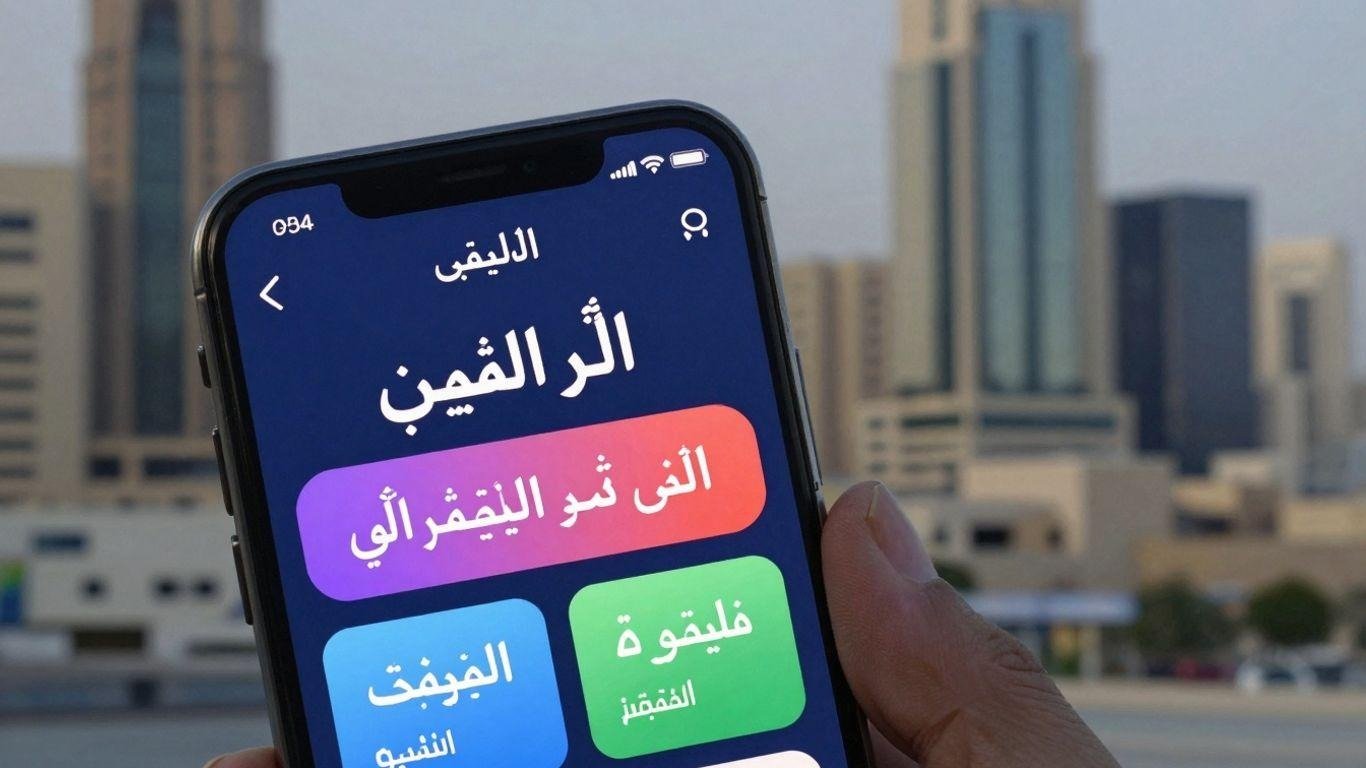
Learning a new language, especially a regional dialect like those found in Saudi Arabia, used to be a real challenge. You’d often find yourself stuck with generic lessons that didn’t quite fit your pace or style. But now, artificial intelligence (AI) and machine learning (ML) are changing that. These technologies can actually figure out how you learn best. They look at your mistakes, your strengths, and how quickly you pick things up. Based on all that, they create lessons just for you.
This means you get practice exercises that are neither too easy nor too hard. The system can spot exactly where you’re struggling with, say, a specific Saudi dialect pronunciation, and give you more practice on that. It’s like having a personal tutor who’s always available and knows your learning journey inside out. This personalized approach makes learning more efficient and, honestly, a lot less frustrating. It’s a big step forward for making Saudi dialects accessible.
The goal is to make language learning feel natural and effective for everyone. Instead of a one-size-fits-all method, AI tailors the experience. This means learners can progress faster and feel more confident using the language in real conversations. It’s a smart way to tackle the complexities of regional Arabic.
Augmented and Virtual Reality for Immersive Practice
Remember those language classes where you just read from a book? Pretty boring, right? Well, augmented reality (AR) and virtual reality (VR) are shaking things up. Imagine stepping into a virtual souk in Riyadh or a coffee shop in Jeddah without leaving your home. That’s what AR and VR can do for language learners.
These technologies create realistic scenarios where you have to use the Saudi dialect to interact. You might order food, ask for directions, or chat with virtual locals. It’s a safe space to practice speaking and listening, making mistakes without feeling embarrassed. This kind of immersive practice helps you get comfortable with the language in a way that textbooks just can’t match. It really helps bridge the gap between learning and actually using the dialect.
It’s all about making the learning experience active and engaging.
AR and VR offer a unique way to practice conversational skills in a simulated environment, boosting confidence for real-world interactions.
Balancing Modern Standard Arabic with Regional Dialects
Arabic has two main forms: Modern Standard Arabic (MSA) and the many regional dialects. For learners, figuring out when to use which can be confusing. MSA is great for formal settings, like news or official documents, but it’s not what people usually speak at home or with friends in Saudi Arabia.
Language learning platforms are now getting smarter about this. They’re starting to offer courses that show you how to use both MSA and specific Saudi dialects. You can learn the formal grammar and vocabulary, but also pick up the everyday phrases and slang used in different parts of the Kingdom. This balanced approach gives learners a more complete picture of the Arabic language.
This way, you’re prepared for anything, whether you’re reading a newspaper or having a casual chat. It’s about giving learners the tools to communicate effectively in all situations. This dual focus is key to truly mastering the language.
Saudi Arabia’s Commitment to Advancing Arabic Language Technology
National Strategies Driving AI Innovation
Saudi Arabia is making big moves in AI, especially for Arabic. The National Strategy for Data and AI (NSDAI), launched in 2020, is a major plan. It aims to put the Kingdom among the top AI economies by 2030. This strategy is all about using data and AI to boost the economy and society. It’s a big national effort involving everyone.
This initiative wants to build a strong foundation for competitive advantages in specific areas by 2025. By 2030, the goal is to be a global player, exporting data and AI technology. They’re also looking to attract significant investment, around SAR 75 billion, into data and AI. Plus, they’re training over 20,000 local specialists to keep up with the demand.
The Kingdom is serious about developing AI that understands Arabic. This commitment means investing in research, infrastructure, and talent. It’s not just about using technology; it’s about creating it, especially for the Arabic language. This focus on Arabic AI is key to their future plans.
Pioneering Arabic-Specific AI Models
Saudi Arabia is actively developing AI models that are built for Arabic from the ground up. A prime example is ALLaM, a chat application developed in partnership with NVIDIA. This app can chat and answer questions in Arabic, covering various topics with reliable information. It’s a big step beyond just translating from other languages.
These efforts go beyond just chatbots. The King Salman Global Academy for Arabic Language (KSGAAL) launched the Arabic AI Center. This is the first center dedicated to automated Arabic language processing. It’s focused on improving Arabic content and making it more competitive globally. They want to drive research and build new capabilities in AI and the Arabic language.
The development of sovereign Arabic LLMs is instrumental for ensuring AI systems reflect regional values and cultural norms. This promotes trust and autonomy in digital interactions.
The Role of Specialized AI Centers
The Arabic AI Center at KSGAAL is a hub for innovation. It has five advanced labs: Linguistic and AI Modeling, Data Preparation and Linguistic Resources, Virtual and Augmented Reality, Audio and Visual Processing, and a Researcher Workspace. These labs are designed to help researchers and developers work with Arabic language processing using advanced tech.
These specialized centers are vital for creating AI that truly understands the nuances of Arabic, including its many dialects. By focusing on data quality and culturally relevant models, Saudi Arabia is building a strong foundation for Arabic AI and NLP. This work is essential for making digital services more accessible and effective for Arabic speakers.
This commitment to specialized centers and Arabic-specific models shows a clear strategy. It’s about leading the way in Arabic language technology, not just following. The goal is to create AI that works well for Arabic speakers, reflecting their culture and language accurately.
Addressing Challenges in Learning the Saudi Dialect
Overcoming Linguistic Diversity and Complexity
The Arabic language, with its rich history, presents a significant hurdle for learners. Saudi dialects, in particular, are a complex tapestry. Think of it like trying to learn a language where every city has its own unique slang and pronunciation. This linguistic diversity means that a learner might master one Saudi dialect, only to find communication difficult in another region. The intricate grammar and morphology of Arabic add another layer of difficulty. AI and NLP models are being developed to better understand these nuances, but it’s a tough job.
Enhancing Data Quality and Availability
For AI to truly help with learning Saudi dialects, it needs good data. Lots of it. And that data needs to be accurate and representative of how people actually speak. Historically, there hasn’t been as much digital content in Arabic dialects compared to other major languages. This scarcity makes it hard to train AI systems effectively. Efforts are underway to collect and curate high-quality datasets, which is a big step forward for dialect-aware AI.
Ensuring Cultural Relevance in AI Development
Learning a language isn’t just about words and grammar; it’s also about understanding the culture. When AI tools are built without considering cultural context, they can feel a bit off. This is especially true for Saudi dialects, which are deeply tied to local customs and social norms. It’s important that AI development for Saudi dialects includes input from native speakers and cultural experts. This helps make the learning experience more authentic and effective, moving beyond just linguistic accuracy to true communicative competence.
Industry Applications of Arabic AI and NLP
Transforming Customer Service with Dialect-Aware Support
Think about calling a company and the person on the other end just doesn’t quite get what you’re saying. It’s frustrating, right? That’s where Arabic AI and NLP come in. These tools are changing how businesses talk to customers. Instead of a one-size-fits-all approach, AI can now understand different Saudi dialects. This means customers feel heard and understood, leading to happier people and better business. It’s a big step for customer service.
This technology helps businesses offer support that actually sounds local. Imagine a chatbot that can chat with you in a Saudi dialect, not just formal Arabic. This makes interactions smoother and more personal. It’s about making technology work for everyone, no matter how they speak. This kind of dialect-aware support is becoming a game-changer.
The impact on customer satisfaction is significant. When people can communicate in their own dialect, they feel more connected to the brand. This leads to increased loyalty and better business outcomes. Arabic AI and NLP are making this a reality across many industries.
Improving E-Government Services for Citizens
Dealing with government paperwork can be a headache. Now, imagine trying to do it in a language that doesn’t quite feel like your own. Arabic AI and NLP are making e-government services in Saudi Arabia much easier for everyone. These systems can understand the nuances of different dialects, which means citizens can get the information and help they need without struggling with formal language.
This technology helps bridge the gap between official government communication and how people actually talk. It means forms, applications, and information portals can be more accessible. Citizens can interact with government services more easily, saving time and reducing confusion. It’s about making government work for the people.
The goal is to create a more inclusive digital experience where every citizen feels comfortable and confident interacting with government services, regardless of their dialect.
Boosting Local Content and Entrepreneurship
Arabic AI and NLP are not just about making things easier; they’re also about creating new opportunities. For local entrepreneurs and content creators, these tools open up new avenues. They can build apps, services, and digital content that truly speaks to the Saudi audience in their own language and dialect.
This means more relevant and engaging content for everyone. Think about educational apps, entertainment platforms, or even news services that are tailored to local tastes and linguistic styles. This boost in local content helps preserve culture while driving innovation. It’s a win-win for creativity and business.
- AI-powered translation tools for local creators.
- Speech recognition that understands various Saudi accents.
- Content generation tools that can adapt to regional linguistic norms.
These advancements are helping to build a stronger digital economy in Saudi Arabia, driven by local talent and technology. Arabic AI and NLP are at the heart of this exciting growth.
The Economic and Social Impact of Accessible Saudi Dialects
Driving Economic Growth Through AI Integration
Making Saudi dialects more accessible through technology is a big deal for the economy. Think about it: when businesses can actually talk to customers in their local dialect, things just work better. This means better customer service, more sales, and happier people. AI and NLP tools that understand Saudi dialects are key here. They help companies connect more directly.
This push for dialect-aware tech isn’t just about making things easier; it’s about growth. When communication flows smoothly, businesses can expand. They can reach more people and offer services that really fit. The economic impact of accessible Saudi dialects is pretty significant, opening up new markets and opportunities.
The Kingdom’s investment in AI is projected to add billions to its GDP. This isn’t just about fancy tech; it’s about real money and jobs. By making language barriers disappear, Saudi Arabia is setting itself up for a stronger economic future. It’s a smart move that pays off.
Fostering Inclusivity in the Digital Economy
When technology speaks your dialect, everyone feels included. This is super important for the digital economy. People who might have struggled with Modern Standard Arabic can now participate more fully. This means more people can use online services, get information, and even start their own businesses.
Accessible Saudi dialects help bridge the digital divide. It’s not just about having internet access; it’s about being able to use it comfortably. When platforms and apps understand local speech, they become welcoming to everyone. This inclusivity is vital for a fair digital society.
Making technology speak the local language means more people can join in. It’s about giving everyone a fair shot online.
Creating New Opportunities in the Tech Ecosystem
This focus on Saudi dialects is also a goldmine for tech creators. Startups and developers can build new tools and services specifically for these dialects. This creates a whole new market for Arabic AI and NLP solutions. Think apps, chatbots, and educational tools that are actually useful for locals.
It’s not just about using existing tech; it’s about creating new things. This drives innovation and builds a stronger tech scene within Saudi Arabia. Local talent gets a chance to shine by solving real-world language problems.
- New App Development: Building dialect-specific language learning apps.
- AI Service Creation: Developing AI models that understand regional nuances.
- Content Localization: Adapting global platforms for local dialects.
This creates jobs and keeps smart people working in the Kingdom. It’s a win-win for the economy and the tech community.
Collaborative Efforts to Enhance Language Learning Tools
The Importance of Edtech and Educator Partnerships
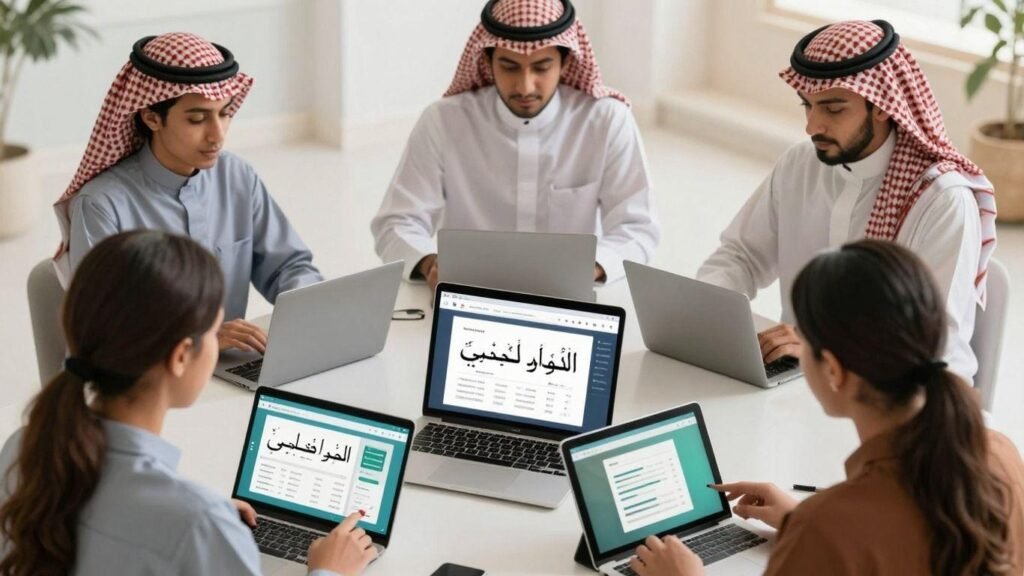
Making Saudi dialects easier to learn isn’t just about fancy tech. It really takes a village, you know? Edtech companies are stepping up, but they can’t do it alone. They need to work hand-in-hand with teachers who are actually in the trenches, teaching these dialects every day. These educators have the inside scoop on what works and what doesn’t, what trips students up, and what keeps them engaged. Their feedback is gold for making learning tools better.
Think about it: a teacher knows if a particular exercise is confusing or if a certain dialect feature needs more focus. By sharing these insights, edtech developers can tweak their platforms, add new features, and create more effective learning paths. This partnership helps bridge the gap between theoretical knowledge and practical application, making the learning process smoother for everyone involved. It’s all about building tools that truly meet the needs of learners and instructors alike.
This collaboration is key to refining digital tools and curricula. When developers listen to educators, they can create resources that actually tackle common learning obstacles. It’s a back-and-forth that benefits the entire language learning community. This is how we make real progress in making Saudi dialects accessible.
Utilizing Social Media for Informal Language Practice
Social media platforms are everywhere these days, and they’re not just for scrolling through memes. They’ve become a surprisingly good place to practice a new language, especially when you’re trying to get a handle on a specific dialect like Saudi Arabic. Think about it: you’re already using these apps, so why not turn that screen time into study time?
Platforms like Instagram, Facebook, and even WhatsApp groups can be goldmines for informal language practice. You can follow accounts that post in Saudi dialects, join discussions, and even try writing comments or messages yourself. It’s a low-pressure way to get exposed to everyday language, slang, and cultural nuances you might not find in a textbook. Plus, you get to interact with native speakers in a casual setting.
The key is to actively engage. Don’t just passively consume content. Try to use the language yourself, even if it’s just a few words or phrases. This active participation is what really helps solidify your learning and build confidence.
Podcasts and Digital Communities for Skill Development
Beyond social media, there’s a whole world of podcasts and online communities dedicated to language learning. For Saudi dialects, these resources can be incredibly helpful. Podcasts offer a way to improve listening comprehension and pick up new vocabulary just by tuning in during your commute or while doing chores. Many podcasts are designed specifically for learners, breaking down complex language into manageable chunks.
This kind of consistent, bite-sized practice mirrors how tools like a daily LSAT practice quiz from TutorLyft help learners build skills gradually through regular exposure and structured repetition.
Digital communities, whether they’re forums, Discord servers, or dedicated language exchange apps, provide a space to connect with other learners and native speakers. You can ask questions, share your progress, and find practice partners. These communities often create a supportive environment where people feel comfortable making mistakes and learning from them. It’s a great way to stay motivated and get exposure to real-world language use.
These collaborative efforts, from formal partnerships to informal online interactions, are vital. They create a rich ecosystem where learning Saudi dialects becomes more engaging and effective. By combining structured learning with informal practice, learners can develop a more well-rounded understanding and fluency. This multi-faceted approach is what makes learning accessible.
Looking Ahead
The push to make Saudi dialects more accessible through language learning platforms is really picking up steam. It’s not just about learning a few phrases anymore; it’s about connecting with people and understanding the culture on a deeper level. As technology gets better and more people get involved, we’ll likely see even more innovative ways to learn these unique dialects. This trend is helping to bridge gaps and bring people closer together, both within Saudi Arabia and with the rest of the world. It’s an exciting time for language learning, especially for those interested in the rich linguistic landscape of Saudi Arabia.