How Keratoconus Treatment Helps Stabilise Vision
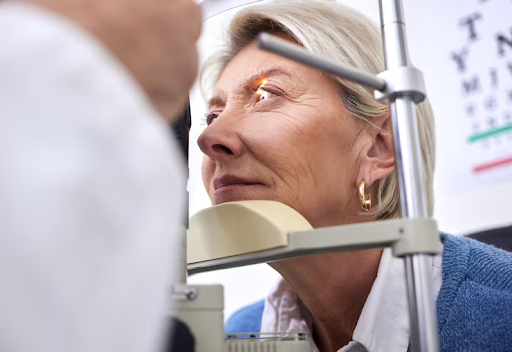
Keratoconus is a progressive eye condition that affects the structure of the cornea, causing it to thin and bulge into a cone-like shape. This irregular shape prevents light from focusing properly on the retina, leading to distorted and blurred vision. Without proper management, keratoconus can worsen over time and significantly impact daily life. Fortunately, modern keratoconus treatment options are designed to stabilise the condition, improve vision, and prevent further deterioration.
For patients in South Australia, procedures such as cross linking eye surgery in Adelaide play a crucial role in slowing or halting progression, especially when diagnosed early.
Understanding Keratoconus
The cornea is normally round and dome-shaped, allowing light to focus clearly onto the retina. In keratoconus, the corneal tissue weakens, resulting in:
- Blurred or distorted vision
- Increased sensitivity to light
- Frequent changes in prescription
- Halos or glare around lights
- Difficulty with night driving
The condition often begins during teenage years or early adulthood and may progress for several years before stabilising naturally. Early detection is essential for effective intervention.
The Importance of Early Diagnosis
Routine eye examinations are critical for detecting keratoconus in its early stages. Advanced diagnostic tools such as corneal topography can map the surface of the cornea and identify subtle changes before symptoms become severe.
Early diagnosis allows timely keratoconus treatment, which can significantly reduce the risk of advanced visual impairment or the need for corneal transplantation later in life.
Non-Surgical Management Options

In the early stages, vision affected by keratoconus can often be corrected with:
- Specialised glasses
- Soft toric contact lenses
- Rigid gas-permeable (RGP) lenses
- Hybrid or scleral lenses
These lenses help create a smoother optical surface, improving clarity despite the irregular corneal shape. However, while contact lenses improve vision, they do not stop the progression of the condition.
How Cross Linking Strengthens the Cornea
One of the most significant advancements in keratoconus treatment is corneal collagen cross-linking. Cross linking eye surgery in Adelaide is specifically designed to strengthen and stabilise the cornea.
The procedure works by applying riboflavin (vitamin B2) eye drops to the cornea, followed by controlled ultraviolet (UV) light exposure. This process strengthens collagen fibres within the cornea, increasing its rigidity and helping prevent further bulging.
Cross-linking does not reshape the cornea dramatically, but it plays a vital role in halting progression. Stabilising the cornea early can preserve vision and reduce the likelihood of needing more invasive surgery in the future.
What to Expect During Cross Linking Eye Surgery
Cross linking eye surgery in Adelaide is typically performed as an outpatient procedure. It generally takes about one hour per eye.

During the procedure:
- The eye is numbed with anaesthetic drops
- The outer layer of the cornea may be gently removed (depending on technique)
- Riboflavin drops are applied
- UV light is directed at the cornea
After treatment, patients may experience temporary discomfort, light sensitivity, and blurred vision while the eye heals. Recovery time varies, but most individuals resume normal activities within a week or two.
Benefits of Cross Linking
The primary goal of cross linking is stabilisation. Benefits may include:
- Slowing or stopping progression of keratoconus
- Preserving existing vision
- Reducing the need for corneal transplant
- Improving long-term visual stability
In some cases, mild improvement in corneal shape and vision may occur over time, though the main purpose is to prevent worsening.
Advanced Treatment Options
For patients with more advanced keratoconus, additional procedures may be considered alongside cross linking, such as:
- Intracorneal ring segments (corneal implants)
- Topography-guided laser treatments
- Corneal transplantation (in severe cases)
These options aim to improve corneal shape and visual function when conservative treatments are insufficient.
Long-Term Monitoring Is Essential
Even after successful keratoconus treatment, regular follow-up appointments are necessary. Eye specialists monitor corneal stability, visual acuity, and overall eye health to ensure the condition remains controlled.
Ongoing care is especially important in younger patients, as progression is more likely during adolescence and early adulthood.
Lifestyle Considerations
Patients diagnosed with keratoconus are often advised to avoid excessive eye rubbing, as this can contribute to corneal weakening. Managing allergies and protecting the eyes from irritation can also support long-term stability.
Choosing a Qualified Specialist
When considering cross linking eye surgery in Adelaide, selecting an experienced ophthalmologist is crucial. A comprehensive consultation should include:
- Detailed corneal mapping
- Assessment of disease progression
- Discussion of risks and benefits
- Personalised treatment planning
Professional expertise ensures safe application of the procedure and optimal outcomes.
Final Thoughts
Keratoconus is a progressive condition that can significantly affect vision if left untreated. However, modern keratoconus treatment options—particularly cross linking eye surgery in Adelaide—offer effective ways to stabilise the cornea and protect long-term visual health.
Early detection, timely intervention, and regular monitoring are key to managing the condition successfully. With appropriate care and specialist guidance, many patients with keratoconus can maintain functional, stable vision and continue daily activities with confidence.