 By Yaqoub Khan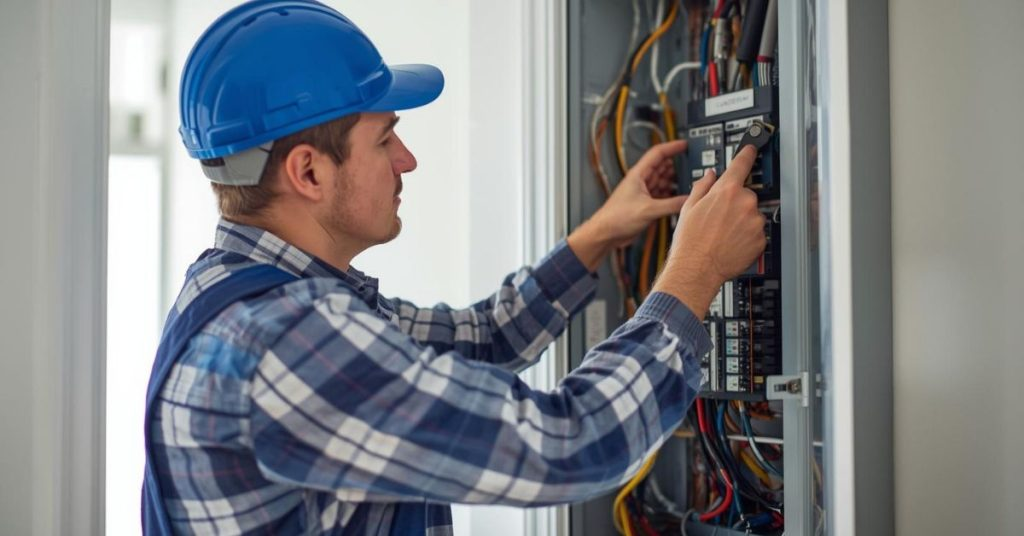
Homes today rely on far more electricity than they did even a decade ago. From high-efficiency HVAC systems and home offices to electric vehicles and smart appliances, electrical demand continues to rise. When a system is not designed to handle this increased load, homeowners may experience frequent breaker trips, dimming lights, or a limited ability to add new equipment. Improving electrical capacity is not about excess power but about safe, balanced, and reliable distribution. Electricians play a critical role in evaluating existing systems and implementing upgrades that ensure properties operate smoothly as energy demand grows. Their work supports safety, adaptability, and long-term performance in evolving electrical environments.
Where Capacity Improvements Begin
- Evaluating Existing Electrical Demand
Electricians begin capacity improvements by assessing how electricity is currently used throughout a home. This includes measuring demand during peak usage periods and identifying circuits carrying heavier-than-intended loads. Older homes often have panels and wiring designed for fewer appliances and lower overall demand. Electricians assess whether circuits are overloaded, improperly balanced, or shared by devices that should be separated. They also review plans, such as adding air conditioning units or electric vehicle chargers. In many cases, homeowners seeking to fix electrical problems in your Vaoncouver home discover that limited capacity is the underlying issue. This evaluation phase provides the foundation for informed upgrades rather than temporary fixes.
- Upgrading Electrical Panels for Higher Capacity
One of the most effective ways electricians improve electrical capacity is by upgrading the main electrical panel. Panels determine how much electricity can safely enter and be distributed throughout a property. Older panels may not support modern amperage requirements, limiting expansion options. Electricians replace outdated panels with higher-capacity models that allow additional circuits and improved load distribution. This upgrade also enhances system organization, making it easier to manage individual circuits. Panel upgrades reduce strain on wiring, minimize nuisance breaker trips, and provide room for future electrical additions. By addressing the central distribution point, electricians create a stronger backbone for the entire electrical system.
- Balancing Circuits for Improved Performance
Beyond panel capacity, electricians focus on balancing power across circuits. Poorly balanced circuits can cause uneven voltage, overheating, and reduced efficiency. Electricians redistribute loads so that high-demand appliances do not share circuits with lighting or sensitive electronics. This process may involve adding new circuits or rerouting existing ones. Balanced circuits improve performance without increasing overall consumption. They also extend the lifespan of wiring and devices by preventing constant stress. Through careful planning, electricians ensure that electrical capacity is used efficiently rather than pushed to unsafe limits.
- Expanding Wiring to Support New Loads
Increasing electrical capacity often requires more than a panel upgrade. Electricians may install additional wiring to support new appliances or spaces such as finished basements, home offices, or workshops. Modern wiring materials handle higher loads more safely than older alternatives. Electricians ensure that wire gauge, insulation, and routing align with current electrical demands. This expansion prevents bottlenecks caused by power demand exceeding wiring capacity. Properly sized wiring allows new circuits to operate independently, reducing the risk of overheating. By strategically expanding wiring, electricians enable growth in electrical usage without compromising safety.
- Capacity Without Compromise
Improving electrical capacity is not about pushing systems to their limits. Electricians design upgrades that accommodate normal fluctuations and future needs. This margin protects components from constant stress and allows systems to adapt as lifestyles change. Thoughtful capacity planning ensures reliability without unnecessary complexity.
- Supporting Modern Electrical Technologies
As homes adopt advanced technologies, electricians adapt capacity planning to support them. Smart home systems, battery storage, and energy-efficient appliances often require dedicated circuits or specific voltage conditions. Electricians ensure these technologies integrate smoothly without disrupting existing systems. They also consider how energy management tools can reduce peak demand, allowing capacity improvements to work more effectively. This approach supports innovation while maintaining system stability.
- Maintaining Safety During Capacity Upgrades
Safety remains central to every capacity improvement. Electricians follow electrical codes that govern conductor sizing, grounding, and overcurrent protection. They test upgraded systems under load to verify performance and identify potential issues. Proper labeling and documentation ensure that future maintenance is straightforward. These precautions reduce fire risks and improve system transparency. By maintaining safety standards, electricians ensure that increased capacity does not introduce new hazards.
Improving electrical capacity allows homes to function reliably as energy needs evolve. Electricians achieve this through careful evaluation, panel upgrades, balanced circuits, expanded wiring, and safety-focused design. Their work supports modern living while protecting electrical systems from overload and inefficiency. By planning for current and future demands, electricians help create electrical environments that are adaptable, dependable, and safe. Understanding this process highlights why professional guidance is essential when expanding a home’s electrical capabilities.