How do Consistent Pool Service Protects Water Quality and Equipment?
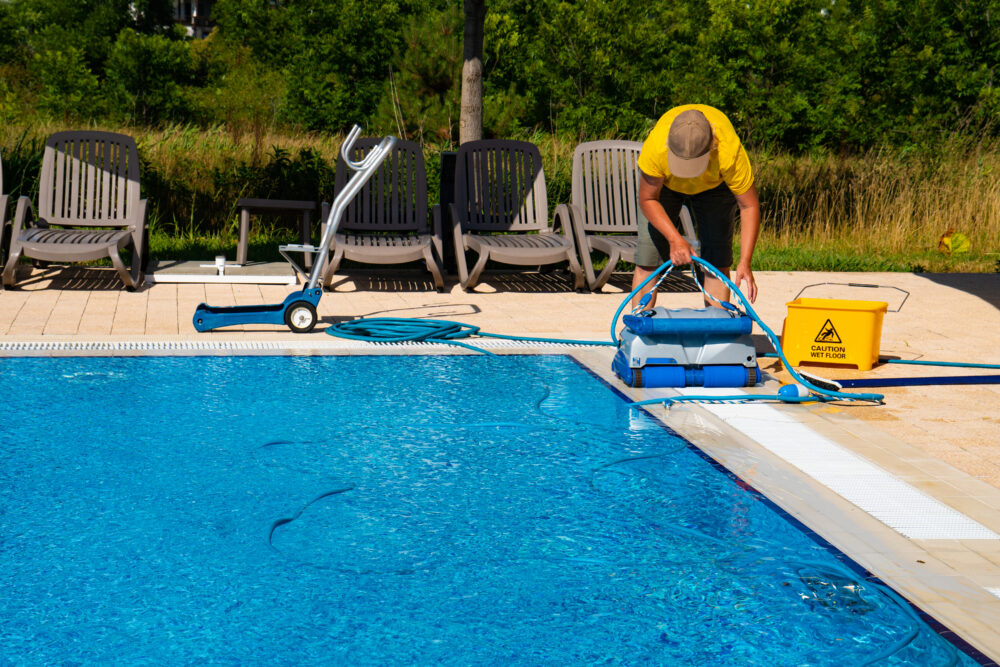
Swimming pools are often seen as simple leisure features, yet maintaining them involves careful attention to water balance, circulation, and mechanical condition. Without routine care, small issues can quietly develop into larger problems that affect comfort, safety, and long-term usability. Pool service focuses on preserving water quality while keeping equipment operating as intended throughout changing seasons. Rather than reacting only when water turns cloudy or systems fail, consistent service helps pools remain stable and inviting. Understanding how regular pool service supports both water clarity and equipment performance helps pool owners enjoy their pools with fewer disruptions and greater confidence in daily operations.
What consistent pool care involves
- Water Chemistry and Daily Usability
Water chemistry is central to effective pool service because it directly affects swimmer comfort and system health. Balanced water helps prevent irritation to skin and eyes while reducing strain on surfaces and equipment. Pool service routines involve testing and adjusting chemical levels to maintain steady conditions rather than allowing wide swings that can stress the pool environment. These adjustments support clear water, limit algae growth, and protect finishes from premature wear. When chemistry remains stable, pools require fewer corrective treatments, making day-to-day use more predictable. Consistent chemical balance also helps filtration systems work more efficiently, supporting clarity without excessive intervention.
- Circulation Systems and Mechanical Reliability
Beyond water chemistry, circulation plays a major role in pool performance. Pumps, filters, and skimmers work together to move water and remove debris, but they require routine attention to remain effective. Pool service includes inspecting equipment operation, clearing obstructions, and ensuring proper flow rates. Small issues such as clogged baskets or air leaks can reduce circulation and place unnecessary strain on motors. Regular service addresses these concerns early, helping equipment operate smoothly. Many homeowners rely on scheduled care, such as Pool Maintenance & Weekly Pool Service to keep circulation systems functioning consistently. This consistent oversight reduces unexpected downtime and helps keep pools ready for use.
- Seasonal Changes and Service Adjustments
Pools respond differently to seasonal shifts, making service routines adaptable rather than fixed. Warmer months often increase usage and debris accumulation, requiring closer attention to filtration and cleaning. Cooler periods may reduce use but still require monitoring to prevent water imbalance or equipment stress. Pool service accounts for these changes by adjusting cleaning frequency, chemical levels, and equipment operation. This adaptability helps maintain consistent water quality even as external conditions change. Seasonal awareness prevents neglect during quieter periods and reduces the need for intensive recovery when activity increases again.
- Preventing Surface and Structural Wear
Regular pool service also helps protect surfaces and structural elements. Water imbalance, debris buildup, and improper circulation can gradually affect plaster, tile, and liners. Service routines often include brushing and visual inspections to identify early signs of wear or staining. Addressing these issues promptly helps preserve the pool’s appearance and reduces the likelihood of more extensive repairs. Over time, this attention supports both aesthetic appeal and structural integrity. Preventive care helps prevent small issues from escalating into disruptions that limit pool enjoyment.
- A Short Perspective on Peace of Mind
Consistent pool service offers peace of mind by reducing uncertainty around water quality and system performance. When maintenance follows a regular rhythm, pool owners spend less time worrying about unexpected issues. This reliability allows the pool to be enjoyed as intended rather than viewed as a constant responsibility. Peace of mind is often an overlooked benefit of routine service.
- The Role of Documentation and Ongoing Monitoring
Another important aspect of pool service is tracking system performance over time. Documenting chemical readings, equipment condition, and service actions creates a history that helps identify trends. This information enables adjustments before problems become noticeable. Ongoing monitoring supports informed decisions about equipment upgrades or changes in service approach. By maintaining a record of care, pool service becomes proactive rather than reactive, supporting long-term consistency and reliability.
Pool service extends beyond surface-level cleaning, shaping how water quality and equipment performance are maintained over time. Through balanced chemistry, reliable circulation, seasonal adjustments, and preventive care, consistent service helps keep the pool clear and dependable. Attention to detail reduces unexpected disruptions and protects both appearance and functionality. When pool care follows a steady routine, enjoyment increases while maintenance concerns decrease. Understanding the value of regular pool service helps pool owners appreciate how thoughtful care preserves both daily usability and long-term investment.