Understanding FUPA: What It Is and How to Embrace Your Body
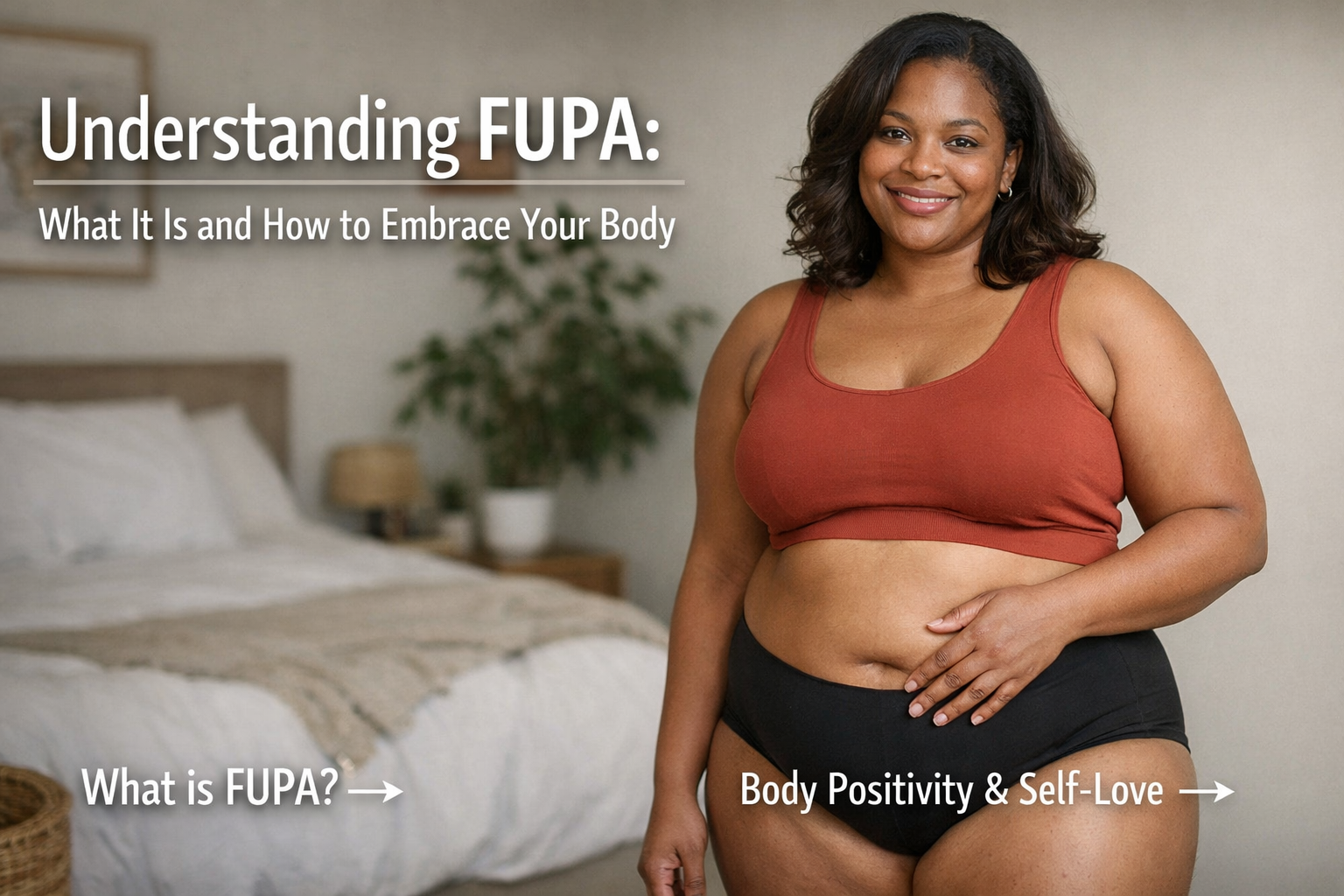
FUPA, or fat upper pubic area, is a term that’s gained traction in recent years. Many people may find themselves grappling with body image issues related to this common concern. It’s essential to understand what FUPA is and how it can affect both physical health and self-esteem. Instead of shying away from the conversation, let’s dive into the facts surrounding FUPA and explore ways to embrace your body just as it is. Whether you’re looking for treatment options or simply seeking reassurance, you’ll discover valuable insights here that promote acceptance and wellness. Join us on this journey of understanding and empowerment!
What Is FUPA?
FUPA refers to excess fat located in the area above the pubic bone and below the belly button. This common condition can affect individuals of all shapes and sizes, regardless of weight or fitness level. For many, it may be a source of frustration or insecurity.
While FUPA is often associated with weight gain, other factors like genetics, hormonal changes, and pregnancy can also contribute. Understanding that this area is natural may help alleviate some concerns while fostering body positivity. It’s a part of human anatomy that deserves attention without judgment.
Causes and Symptoms of FUPA
FUPA, or fat upper pubic area, can occur due to various factors. Weight gain, hormonal changes, and genetics often contribute to its development. Pregnancy and aging also play significant roles in altering body shape and causing fat accumulation in this region.
Symptoms typically include excess skin or fat above the pubic bone that may feel uncomfortable or affect self-image. Many people experience difficulty wearing certain clothing styles as well. Understanding these causes and recognizing symptoms is crucial for those seeking solutions or simply wanting to embrace their bodies more fully.
Treatment Options for FUPA
When exploring treatment options for FUPA, it’s essential to consider both non-surgical and surgical approaches. Non-invasive methods like laser therapy, ultrasound treatments, and radiofrequency can help tighten the skin and reduce fat in the area over time.
For those seeking immediate results, surgical procedures such as liposuction or a tummy tuck may be ideal. These techniques remove excess fat and skin, offering a more contoured appearance. Consulting with a qualified healthcare professional can help determine which option best fits your needs and goals.
Post-Treatment Recovery and Prognosis
Post-treatment recovery for FUPA varies based on the chosen method. Non-surgical options may require minimal downtime, allowing individuals to return to their daily routines quickly. It’s essential to follow aftercare instructions provided by your healthcare professional.
For surgical procedures, recovery can take longer and may involve swelling or discomfort initially. Engaging in light activities is encouraged as healing progresses. Regular follow-ups will help track progress and ensure optimal results, providing reassurance throughout the journey toward embracing a more confident self-image.
Embracing Your Body: Takeaways
Embracing your body means recognizing that every shape and size has its own beauty. FUPA is just one aspect of who you are, not the entirety. Celebrate your individuality and appreciate what makes you unique.
Self-love starts with acceptance. Surround yourself with positivity, whether through supportive friends or uplifting communities. Focus on nourishing your body and mind instead of chasing unrealistic ideals. Remember, confidence shines brighter than any physical feature ever could—own your journey and love yourself fiercely!
FAQs About FUPA
Many people wonder if FUPA is common. Yes, it affects a significant number of individuals, regardless of gender or body type. It’s often linked to factors like weight fluctuations and hormonal changes.
Another frequent question is whether FUPA can be eliminated entirely. While various treatments exist, results can vary based on individual circumstances and commitment to lifestyle changes. Embracing your body while exploring options for improvement is essential in this journey toward self-acceptance and confidence.
More on Skin Problems and Treatments
Skin problems can manifest in various forms, impacting both appearance and self-esteem. Conditions like acne, eczema, and psoriasis often require personalized treatment plans. Understanding your skin type is crucial for selecting the right products or therapies.
Many treatments are available today, ranging from topical creams to advanced laser therapy. Natural remedies also offer relief for some individuals. Consulting a dermatologist can help pinpoint the most effective solutions tailored to your specific needs and concerns. Prioritizing skin health fosters confidence and promotes overall well-being as you navigate these challenges.
Lifestyle Changes and Exercises for FUPA
Making small lifestyle changes can greatly impact FUPA. Focus on a balanced diet rich in whole foods, including fruits, vegetables, lean proteins, and healthy fats. Staying hydrated is equally important; it aids digestion and helps maintain skin elasticity.
Incorporating regular exercise into your routine is vital as well. Cardio workouts like walking, running, or cycling help burn calories while strength training builds muscle tone in the abdominal area. Consistency with both diet and exercise will yield positive results over time without drastic measures or extreme diets.
Noninvasive and Surgical FUPA Procedures
Noninvasive procedures for FUPA often include options like CoolSculpting and ultrasound therapy. These methods target fat cells without the need for surgery, allowing for minimal downtime. Many individuals appreciate these treatments due to their convenience and effectiveness.
On the surgical side, liposuction remains a popular choice. It removes excess fat from specific areas but requires recovery time afterward. Tummy tucks can reshape the abdominal area by tightening muscles as well as removing skin. Both approaches have unique benefits depending on individual needs and desired outcomes in managing FUPA.
Psychological and Social Implications of FUPA
The presence of FUPA can lead to feelings of self-consciousness and body image concerns. Many individuals struggle with societal standards that prioritize slimness, leaving them feeling isolated or judged. This can affect their mental health, leading to anxiety or depression.
Social interactions may also be impacted. People might avoid certain activities like swimming or wearing fitted clothing due to embarrassment. The stigma surrounding body shapes can create barriers in relationships and hinder personal expression, making it essential to address these psychological effects openly.
Health and Wellness Beyond FUPA
Embracing health and wellness extends beyond addressing FUPA. It involves nurturing your body holistically, focusing on nutrition, exercise, and mental well-being. Incorporating whole foods into your diet can promote overall vitality while regular physical activity boosts confidence.
Mental wellness is equally important. Practicing mindfulness or engaging in activities that bring joy can enhance your self-image. Surround yourself with supportive communities that celebrate diversity in body types. Remember that true health radiates from within and cultivating a positive mindset lays the foundation for lasting change and happiness.
Conclusion and Empowerment
Embracing your body is a journey, especially when navigating the complexities of FUPA. Understanding this condition can lead to greater acceptance and self-love. Whether you choose treatment options or embrace it as part of your unique identity, know that your worth isn’t defined by any physical feature.
Celebrate your body for all it does for you. Seek support from loved ones or communities who understand what you’re going through. Remember, every individual has their struggles, and it’s essential to cultivate kindness towards yourself.
Empowerment comes from within; prioritize health and wellness beyond just appearance. Focus on activities that make you feel good—both mentally and physically—and encourage others to do the same. Your journey with FUPA doesn’t define you; instead, it’s an opportunity for growth and resilience in embracing all aspects of who you are.