From Proms to Product Launches: Why Versatile Venues Are the Future of Events?
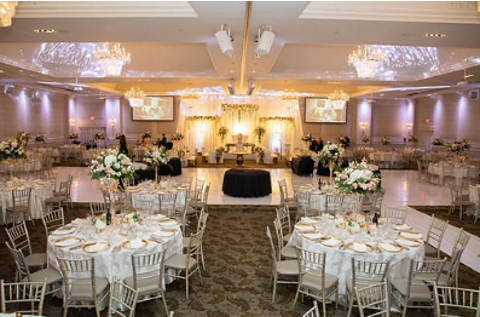
In the creative events industry, yesterday’s success story can quickly become today’s dated format. Modern planners, whether organizing a spectacular high school prom, a multi-day corporate conference, or an elegant gala, all share one non-negotiable requirement: versatile event venues. The future of hosting is not about rigid, single-purpose halls; it is about choosing a multipurpose event space that can be rapidly and flawlessly re-engineered to meet diverse goals, budgets, and guest needs.
A venue’s ability to transform itself is the secret weapon behind truly unforgettable experiences. It offers the financial efficiency of a single location while providing the creative freedom of a blank canvas. Here is a look at the essential qualities that make flexible event spaces the cornerstone of successful modern event planning.
Why Versatility Matters More Than Ever?
Events today aren’t one-dimensional. A prom might include a red-carpet entrance, photo ops, a formal dinner, and a dance floor reveal. A product launch could require a stage, LED screens, private breakout areas, and a media zone. Corporate mixers often mix networking lounges with presentation spaces.
Rigid venues no longer fit these needs. Flexible environments allow planners to reimagine the same space in multiple ways saving time, reducing cost, and improving guest experience.
In fact, industry reports from EventMB show that event planners increasingly choose adaptable venues to support creativity, logistics, and changing audience expectations.
1. Multipurpose Event Spaces Unlock Creative Freedom
The best spaces don’t limit you; they amplify your ideas. That’s where multipurpose event spaces shine.
They provide the ability to design a variety of event formats within a single venue, such as:
- Award ceremonies with dramatic staging
- Proms transformed with thematic décor
- Fundraisers featuring lounge zones and auction areas
- Corporate summits with AV-integrated presentation setups
- Product launches requiring a sleek, modern ambience
With customizable layouts, movable furnishings, and scalable room divisions, planners can create dynamic environments without switching venues or compromising flow.
2. Flexible Event Venues Support Every Event Type
Among the greatest advantages of flexible event venues is their ability to transition seamlessly between different types of gatherings, sometimes even on the same day.
They cater to:
- Social events: proms, weddings, milestone celebrations
- Corporate events: training sessions, conferences, gala dinners
- Brand events: product launches, media showcases, networking activations
High ceilings, elegant architecture, integrated lighting, and open-floor designs contribute to a space that feels sophisticated for formal events yet adaptable for experiential ones.
This level of flexibility is exactly why more planners seek out modern Vaughan banquet hall options that support both intimate and large-scale gatherings.
3. Technological Innovation Makes Hybrid Events Smooth
Events have been redefined by the emergence of digital interactions. The audiences nowadays demand interactive screens, smooth broadcasting, sharing of content in real-time, and quality audio-visual services, which are all attributes of hybrid event venues.
Such spaces usually provide:
- Sound systems of professional quality.
- High-resolution LED screens and display screens.
- Smart lighting systems.
- Blazing speed connectivity to stream or virtual attending.
- Stage-ready infrastructure
It can be a nationwide product release, or it can be a business meeting that unites live in-person and online participants; hybrid-prepared facilities can make things count without the need to put a strain on the technology.
5. Culinary Flexibility Improves Guest Experience
Architectural spaces are not only versatile but also influenced by the food experience. Multipurpose spaces might collaborate with or accommodate culinary teams that have the capability of modifying menus to:
- Fine-dining galas
- Cultural celebrations
- Corporate networking parties.
- Cocktail-style launches
- Seasonal or themed events
Such flexibility can guarantee the personalized, unique, and enjoyable dining experience of every event, regardless of the format or the list of guests.
6. The Power of Versatile Venues to Enhance Event Storytelling
Any successful event is a story, and multipurpose venues give the canvas. Planners can create spaces that are conducive to connected emotions and memorable experiences through the use of adjustable lighting, design, decor, and sensations.
For example:
- A prom can be transformed into a stylish dinner and then turned into a nightclub.
- The product can be launched with a dramatic spotlight and shifted into immersive zones.
The corporate gala will be a good opportunity to emphasize the keynote speakers at the beginning of the evening and move to social networking easily. Multifunctional rooms create the effect of natural and purposeful transitions.
7. The Future of Events Is Versatile, Effectual and Experiential
Adaptive venues will still be the industry workhorse as the expectations of events keep increasing. They offer planners:
- Creative flexibility
- Cost efficiency
- Better guest flow
- Scalable setups
- Greet increased technical opportunities.
- Elevated atmosphere
Whether it is milestone celebrations or brand-defining moments, all the most successful events occur in spaces that are created to transform, not limit.
Final Thoughts
The shift towards versatile event venues and multipurpose event spaces reflects a broader change in how people experience gatherings. Modern events demand flexibility, immersive design, and seamless transitions and adaptable venues deliver exactly that.
Whether planning a prom, a gala, or a cutting-edge product launch, choosing a flexible space sets the stage for innovation, impact, and unforgettable experiences. Today’s events are dynamic, and the spaces hosting them must be too.