Foenegriek: The Ancient Herb Making Waves in Modern Wellness
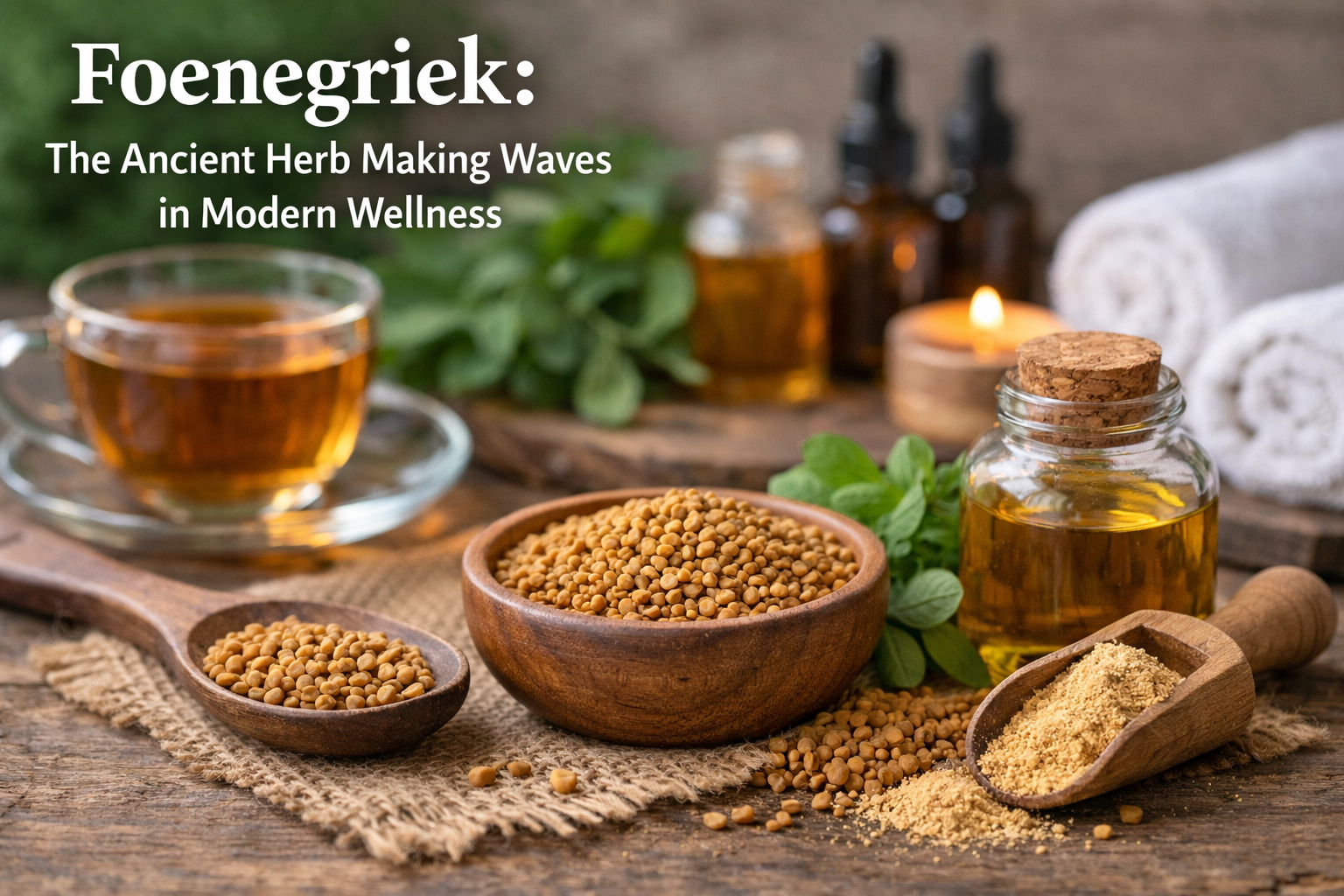
Have you ever heard of Foenegriek? This ancient herb is making a remarkable comeback in the world of modern wellness, captivating health enthusiasts and culinary experts alike. With its rich history rooted in traditional medicine and an impressive nutritional profile, Foenegriek is more than just a spice—it’s a powerhouse for holistic well-being. As we delve into this fascinating herb, you’ll discover its myriad benefits, from boosting your health to enhancing your meals. Join us on this journey to explore why Foenegriek deserves a place in your pantry and wellness routine!
History and Significance
Foenegriek, or fenugreek, has a storied past that stretches back thousands of years. Originating in the Mediterranean region, it was cherished by ancient civilizations for its medicinal properties and culinary uses. The Egyptians even included it in their embalming rituals.
In traditional Indian medicine, Foenegriek is revered for its ability to balance various bodily functions. Ayurvedic practitioners have utilized it as a natural remedy for digestive issues and hormonal imbalances.
Across cultures, this herb symbolizes prosperity and health. Its seeds were once used as currency in trade markets, highlighting its significance beyond just food and medicine. Today, Foenegriek continues to bridge ancient wisdom with modern wellness practices.
Nutritional Profile and Health Benefits
Foenegriek, also known as fenugreek, is a powerhouse of nutrition. Packed with vitamins A, C, and several B vitamins, it supports healthy skin and metabolism. It also contains essential minerals like iron, magnesium, and potassium.
Rich in dietary fiber, foenegriek aids digestion and helps maintain blood sugar levels. Its unique compounds can enhance insulin sensitivity—an important factor for those managing diabetes. Additionally, the herb has anti-inflammatory properties that may benefit overall health.
The seeds are particularly noted for their hormonal balance benefits. They have been linked to increased milk production in nursing mothers and can alleviate menstrual discomfort for many women seeking natural relief options.
Modern Uses and Applications
Foenegriek is making its mark in various aspects of modern wellness. Its seeds are commonly found in dietary supplements, promoting digestive health and hormonal balance. The herb is also a popular ingredient in natural remedies aimed at boosting energy levels.
In the culinary world, foenegriek offers a unique flavor profile that enhances dishes from curries to smoothies. Chefs are increasingly incorporating it into recipes for its earthy taste and nutritional benefits.
Additionally, foenegriek has gained traction in skincare products due to its anti-inflammatory properties. Many brands use extracts to soothe irritation and hydrate the skin, showcasing this ancient herb’s versatility in contemporary applications.
Scientific Research and Evidence
Scientific research on foenegriek has unveiled its impressive health benefits. Studies indicate that it may help regulate blood sugar levels, making it a promising option for those managing diabetes. The herb is also linked to improved cholesterol profiles and heart health.
Additionally, some evidence suggests foenegriek can aid in digestion and alleviate gastrointestinal issues. Its anti-inflammatory properties are being explored, with potential effects on conditions like arthritis.
Researchers continue to investigate the herb’s role in enhancing breastfeeding and lactation. While more studies are needed for definitive conclusions, the existing findings highlight foenegriek as a compelling subject of interest in modern wellness circles.
Safety and Precautions
While foenegriek is generally safe for most people, it’s important to use it with caution. Those who are pregnant should avoid it as it may stimulate contractions or affect hormone levels.
Allergic reactions can occur in some individuals, especially those sensitive to legumes. It’s wise to consult a healthcare professional before incorporating foenegriek into your routine if you have allergies or existing health conditions.
Additionally, moderation is key. Consuming high doses of foenegriek supplements can lead to digestive issues like gas and bloating. Starting with small amounts allows the body to adjust while minimizing potential side effects.
Culinary Inspiration
Foenegriek, commonly known as fenugreek, is a versatile ingredient that can elevate various dishes. Its unique flavor profile—a blend of sweet and nutty—adds depth to recipes ranging from curries to baked goods.
Try incorporating foenegriek seeds into your spice blends or use the fresh leaves in salads for a refreshing twist. The seeds can be toasted to enhance their aroma and crunchiness.
For those adventurous in the kitchen, consider making homemade foenegriek tea. Infuse hot water with crushed seeds for an aromatic drink that not only tastes great but also offers potential health benefits. Experimenting with this ancient herb can lead to delightful culinary discoveries.
Growing Foenegriek at Home
Growing foenegriek at home is a rewarding experience. This herb thrives in well-drained soil with plenty of sunlight. Choose a spot that receives direct sun for at least six hours daily.
Start by planting seeds about half an inch deep, spacing them two inches apart. Water gently to keep the soil moist but not soggy. As they grow, you’ll notice their distinct aroma filling your garden.
Foenegriek can be harvested once the leaves reach a good size and are vibrant green. Snip off what you need while allowing the plant to continue growing for future use. With minimal effort, you’ll have this ancient herb fresh in your kitchen!
The Impact of Foenegriek on Traditional Medicine
Foenegriek, known for its rich history, has been a cornerstone in traditional medicine for centuries. Ancient cultures utilized this herb to treat various ailments, from digestive issues to respiratory conditions. Its natural properties made it invaluable to healers.
In Ayurvedic practices, foenegriek is celebrated for balancing bodily energies and enhancing vitality. Herbalists appreciate its ability to support lactation in nursing mothers and as a remedy for menstrual discomfort.
Across the globe, different cultures have embraced foenegriek’s healing potential. It continues to be relevant today as people seek natural alternatives to pharmaceuticals while honoring time-tested traditions in holistic health.
Cultural and Global Relevance
Foenegriek, known as fenugreek in many cultures, holds a special place across various culinary traditions. Its seeds are widely used in Indian cuisine, where they impart a distinct flavor to dishes like curries and dals. In the Middle East, it graces bread recipes and spice blends.
Beyond its culinary applications, foenegriek is revered in traditional medicine worldwide. From ancient Egypt to modern Ayurveda, this herb has been utilized for centuries for its health benefits. It connects cultures through shared knowledge of natural remedies.
With a global resurgence of interest in holistic health practices, foenegriek’s popularity continues to grow. People around the world are embracing this ancient herb for both nourishment and wellness.
Conclusion: Harnessing the Power of Foenegriek for Holistic Well-Being
Harnessing the power of foenegriek can lead to numerous benefits for those seeking holistic well-being. This ancient herb, with its rich history and diverse applications, is making a significant impact in modern wellness circles. From enhancing nutrition to supporting various health conditions, its potential is vast.
As more people discover the advantages of incorporating foenegriek into their routines, it paves the way for deeper explorations into natural remedies. Whether through culinary delights or herbal supplements, there’s no denying that foenegriek holds a special place in both traditional and contemporary practices.
Embracing this powerful herb may just be the key to unlocking better health and vitality. With ongoing research and increasing awareness, foenegriek stands poised to become a staple in sustainable living and wellness approaches worldwide.