Finding Balance Through Everyday Outdoor Activities
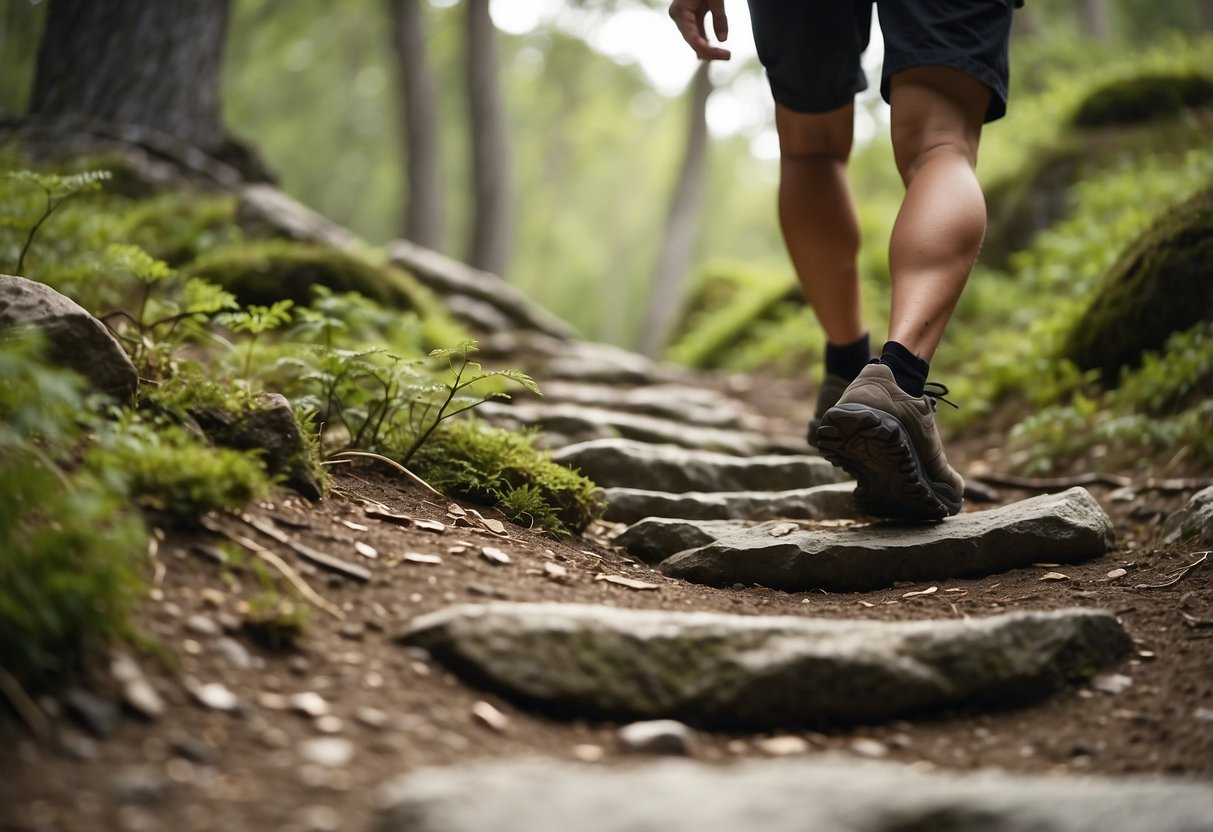
Modern routines often leave little room for movement beyond necessary daily tasks. As work becomes increasingly digital, people are rediscovering the importance of outdoor activities that restore energy and improve overall wellbeing. Spending time outside offers more than physical exercise. It creates opportunities for reflection, creativity, and mental recovery that structured indoor environments rarely provide.
Outdoor activities do not need to involve intense training or competitive goals. Simple habits such as walking local trails, exploring neighborhoods, or cycling recreational routes can significantly improve both physical and emotional health. The key lies in building sustainable routines that remain enjoyable over time.
The Value of Consistency Over Intensity
Many individuals begin outdoor routines with ambitious expectations, only to lose motivation after a few weeks. Long-term success usually comes from smaller, repeatable actions rather than dramatic efforts.
Consistency helps the body adapt gradually while preventing fatigue or injury. Even short sessions performed regularly can produce noticeable improvements in endurance and mood. Establishing predictable activity windows during the week often makes participation automatic rather than optional.
Helpful strategies for maintaining consistency include:
- Choosing accessible locations close to home
- Preparing equipment in advance
- Setting realistic time commitments
- Tracking progress informally instead of obsessively
These simple adjustments reduce friction and encourage long-term engagement.
How Outdoor Movement Improves Focus
Physical movement outdoors stimulates both the body and the mind. Natural surroundings reduce mental overload caused by constant notifications and screen exposure. Many people notice improved concentration and clearer thinking after spending time outside, even during moderate activity levels.
Fresh air, changing scenery, and rhythmic movement allow attention to reset naturally, supporting productivity once daily responsibilities resume.
Preparing for Comfortable Outdoor Experiences
Comfort often determines whether outdoor activities become lasting habits. When participants feel physically at ease, they are far more likely to return regularly. Preparation does not require expensive equipment, but thoughtful choices can greatly improve enjoyment.
Choosing Equipment That Supports Long Sessions
Comfort becomes increasingly important during longer outings. Clothing, footwear, and seating positions all influence posture and endurance. Small discomforts tend to become distractions that shorten otherwise enjoyable experiences.
Cyclists, for example, frequently focus on frame design or speed while overlooking comfort components such as proper seating. Selecting an ergonomic <a href=”https://www.planetbike.com/bike-seats/”>bike seat</a> can significantly improve riding posture and reduce fatigue during extended rides.
Attention to comfort allows participants to focus on surroundings rather than physical strain.
Adapting to Weather and Seasonal Changes
Outdoor routines remain sustainable when individuals learn to adapt rather than pause during seasonal transitions. Each season presents unique advantages, from cooler spring mornings to vibrant autumn landscapes.
Basic preparation may involve:
- Layering clothing for temperature changes
- Carrying hydration regardless of season
- Adjusting activity duration based on daylight
- Monitoring terrain conditions after rainfall
Adapting expectations instead of abandoning routines helps maintain momentum year-round.
Developing Skills That Enhance Outdoor Confidence
Confidence outdoors grows gradually through experience. Learning practical skills allows individuals to explore new areas safely while expanding their comfort zones.
Understanding Pace and Energy Management
One common mistake among beginners involves starting too fast. Managing pace ensures energy remains consistent throughout an activity rather than fading early.
Balanced pacing involves paying attention to breathing patterns, terrain difficulty, and recovery needs. Over time, individuals naturally learn how to distribute effort efficiently.
Signs of effective pacing include steady breathing, sustained enjoyment, and minimal exhaustion after completion.
Navigation Awareness and Route Familiarity
Even familiar environments benefit from improved awareness. Learning how to read surroundings strengthens independence and prevents unnecessary stress.
Important navigation habits include:
- Observing landmarks along routes
- Noting entry and exit points
- Estimating return time realistically
- Staying aware of changing weather conditions
These skills increase confidence and encourage exploration beyond routine paths.
Social Motivation and Shared Exploration
Outdoor activities often become more engaging when shared with others. Group participation introduces accountability while providing opportunities to exchange knowledge and experiences.
Community rides, walking groups, or casual weekend outings can transform solitary routines into social traditions. Shared experiences frequently help individuals remain consistent during periods of low motivation.
Maintaining Long-Term Enjoyment and Variety
Sustainable outdoor habits depend on maintaining curiosity. Repetition without variation may reduce enthusiasm over time, even when activities remain beneficial.
Rotating Activities to Stay Engaged
Introducing variety prevents boredom while supporting balanced physical development. Alternating activities also reduces repetitive strain on specific muscle groups.
Examples of activity rotation include:
- Combining cycling with hiking or jogging
- Exploring urban paths alongside nature trails
- Scheduling both solo and group outings
Variety keeps outdoor routines mentally stimulating while encouraging continued participation.
Reflecting on Personal Progress
Progress does not always appear dramatic. Reflection helps individuals recognize gradual improvements that might otherwise go unnoticed. Tracking memorable routes, distances, or experiences builds motivation over time.
Some participants maintain journals or digital logs documenting locations visited or personal milestones achieved. Comfort upgrades, such as switching to a supportive <a href=”https://www.planetbike.com/bike-seats/”>bike seat</a>, often become noticeable only after comparing longer-term experiences.
Recognizing improvement strengthens commitment and reinforces positive habits.
The Mental Benefits of Regular Outdoor Activity
Outdoor movement contributes significantly to emotional balance. Exposure to natural light supports healthy sleep cycles, while physical activity reduces accumulated stress from sedentary lifestyles.
Stress Reduction Through Movement
Rhythmic activities encourage relaxation by lowering tension levels in both body and mind. Movement outdoors provides an opportunity to disconnect from structured pressures and reconnect with personal thoughts.
Benefits commonly associated with regular outdoor activity include:
- Reduced mental fatigue
- Improved mood stability
- Increased creativity
- Greater overall energy levels
These outcomes often appear without requiring intense effort or specialized training.
Building Sustainable Lifestyle Balance
Long-term wellbeing depends on integrating movement naturally into everyday life rather than treating it as a temporary goal. Outdoor habits succeed when they feel rewarding instead of obligatory.
By prioritizing comfort, adaptability, and enjoyment, individuals create routines that remain sustainable across changing schedules and seasons. Over time, outdoor exploration evolves from an occasional activity into an essential part of personal balance and wellbeing.
Conclusion
Outdoor activities offer a practical pathway toward healthier routines and improved mental clarity. Through consistent participation, thoughtful preparation, and gradual skill development, individuals can transform simple movement into meaningful daily experiences. Rather than focusing solely on performance metrics, lasting enjoyment comes from comfort, exploration, and adaptability. Whether discovering new routes, engaging with community groups, or refining equipment choices, the goal remains the same: creating sustainable habits that support both physical health and long-term personal wellbeing.