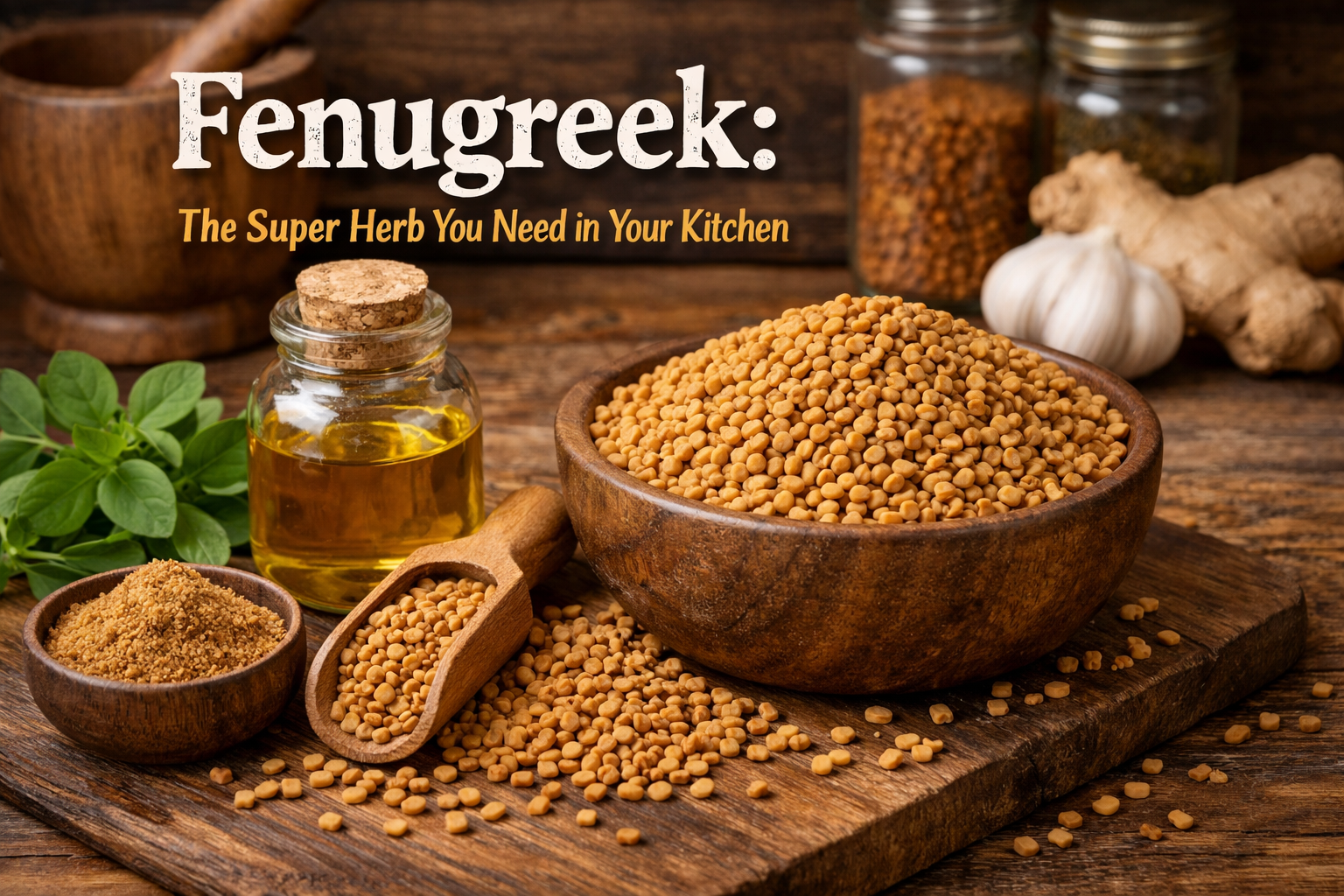
Fenugreek: The Super Herb You Need in Your Kitchen
Introduction
Fenugreek, often hailed as a super herb, is a must-have ingredient in your kitchen. This versatile plant not only enhances the flavor of dishes but also packs a punch when it comes to health benefits. Whether you’re looking to spice up your meals or explore natural remedies, fenugreek has something for everyone. From its aromatic seeds to tender leaves, every part of this herb offers unique culinary and nutritional advantages. Let’s dive into the world of fenugreek and discover why it deserves a spot on your pantry shelf!
Growth and Culinary Uses
Fenugreek is a versatile herb that grows easily in home gardens. Its leaves and seeds are both edible, offering a unique flavor profile that enhances many dishes. The plant thrives in warm climates and can be grown indoors or outdoors.
In the kitchen, fenugreek adds depth to curries, stews, and spice blends. Its slightly bitter taste pairs well with rich ingredients like cream or yogurt. Additionally, roasted fenugreek seeds contribute an aromatic crunch to breads and salads, making it a delightful addition to your culinary repertoire.
How to Grow Fenugreek Sprouts
Growing fenugreek sprouts is simple and rewarding. Start by soaking two tablespoons of fenugreek seeds in water for about 6 hours. This process helps to soften the seeds and kickstart germination.
After soaking, drain the water and place the seeds in a jar or sprouting tray. Keep them covered with a breathable cloth to retain moisture. Rinse daily for about five days until you see green shoots emerging. These fresh sprouts can enhance salads, sandwiches, or any dish needing that extra crunch!
Cooking with Fenugreek
Fenugreek is a versatile herb that can elevate your dishes with its unique flavor. Its slightly bitter, nutty notes pair well with various cuisines, especially Indian and Middle Eastern recipes.
You can use dried leaves (known as kasuri methi) to season curries or sprinkle seeds into bread dough for added texture. Fresh fenugreek leaves are great in salads or sautéed as a side dish. Experimenting with this super herb can lead to delightful culinary discoveries in your kitchen.
Health Benefits and Nutritional Profile
Fenugreek is packed with essential nutrients, making it a powerhouse for health enthusiasts. It contains vitamins A, B6, C, and minerals like iron and magnesium. These contribute to overall well-being and support various bodily functions.
Additionally, fenugreek seeds are rich in dietary fiber and antioxidants. This unique combination aids digestion and helps combat oxidative stress. Regular consumption can elevate nutrient intake while promoting better health through its diverse nutritional profile.
Effects on Breastmilk Production
Fenugreek has long been celebrated for its potential to enhance breastmilk production in nursing mothers. This herb contains compounds that may stimulate milk supply, which is vital for breastfeeding success.
Research suggests that fenugreek can help increase both the quantity and quality of breastmilk. Many lactating women have turned to this natural option, often finding it beneficial alongside a balanced diet and proper hydration. Incorporating fenugreek into your routine might just support your breastfeeding journey effectively.
Potential Effects on Testosterone Levels
Fenugreek has garnered attention for its potential influence on testosterone levels. Some studies suggest that the herb may enhance testosterone production, particularly in men experiencing lower hormonal levels.
The active compounds found in fenugreek, such as furostanolic saponins, are thought to play a key role. These natural substances might support overall hormone health and improve libido. However, more research is needed to fully understand how fenugreek impacts testosterone and its effectiveness across different individuals.
Impact on Diabetes and Blood Sugar Levels
Fenugreek has shown promising effects on diabetes management. Its high soluble fiber content may help slow down carbohydrate absorption, ultimately aiding in healthier blood sugar levels. This can be particularly beneficial for those with insulin resistance.
Studies suggest that fenugreek seeds might improve glucose tolerance and lower fasting blood sugar levels. Incorporating this herb into your diet could offer a natural way to support diabetes control while enhancing overall health.
Other Health Benefits
Fenugreek is packed with antioxidants, which help combat oxidative stress in the body. This super herb might improve heart health by lowering cholesterol levels and promoting better blood circulation.
Additionally, fenugreek has anti-inflammatory properties that can assist in easing digestive issues like bloating and gas. Its rich fiber content may support healthy digestion while providing a sense of fullness, making it beneficial for those looking to maintain a healthy weight.
Safety and Precautions
Fenugreek is generally safe for most people when used in culinary amounts. However, pregnant women should exercise caution as it may stimulate contractions. Always consult a healthcare provider before introducing fenugreek supplements into your routine.
Additionally, some individuals may experience digestive upset or allergic reactions. It’s essential to monitor how your body responds and adjust accordingly. If you’re on medication, especially blood thinners or diabetes drugs, discuss with your doctor to avoid any potential interactions.
Research and Traditional Medicine Insights
Research on fenugreek has unveiled its potential in various health domains. Studies suggest it may aid digestion, reduce inflammation, and improve cholesterol levels. The herb’s active compounds, like saponins and alkaloids, contribute to these benefits.
Traditional medicine systems have long utilized fenugreek for treating ailments such as diabetes and respiratory issues. In Ayurveda and Unani practices, it is revered for enhancing overall wellness. This blend of ancient wisdom with modern research highlights the enduring value of this versatile herb in promoting health naturally.
Production and Sourcing Information
Fenugreek is primarily cultivated in regions like India, Egypt, and Morocco. These countries provide the ideal climate for its growth, thanks to their warm temperatures and well-drained soil. Farmers typically harvest both leaves and seeds, which are valued for culinary uses.
Sourcing fenugreek can vary depending on your location. You may find it in local grocery stores or specialty spice shops. For the best quality, consider organic options from reputable suppliers that ensure sustainable farming practices while supporting local communities.
Customer Reviews and Recommendations
When it comes to fenugreek, customer reviews paint a vibrant picture of its versatility and benefits. Many users rave about the herb’s unique flavor that elevates dishes, from curries to salads. Home cooks appreciate how easy it is to incorporate fenugreek into everyday meals.
Health enthusiasts often share their personal stories about increased milk production during breastfeeding or improved blood sugar levels after regular consumption. Recommendations frequently emphasize trying fresh fenugreek leaves in cooking or as sprouts for added nutrition.
Shoppers also highlight the importance of sourcing high-quality seeds and supplements for maximum benefit. Whether you’re looking to spice up your kitchen or enhance your health regimen, fenugreek has garnered plenty of positive feedback and loyal fans across various communities.