Exploring the Fascination of Face Swap Technology: The Future of Digital Transformation
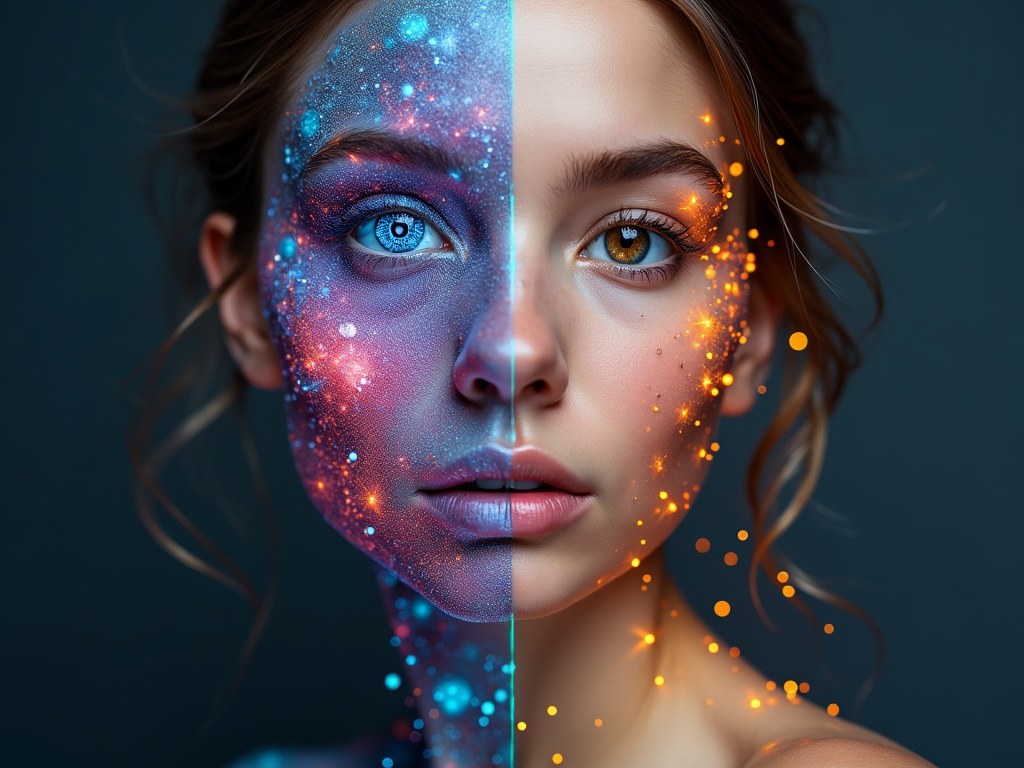
In the ever-evolving landscape of digital technology, face swap has emerged as one of the most intriguing and innovative uses of artificial intelligence (AI). What was once an entertaining feature on social media has now expanded into an important tool with wide-reaching implications. From enhancing creativity to raising ethical questions, face swap technology is transforming how we perceive and interact with digital content. But what exactly is face swap, and why has it become so popular?
This post dives into the fundamentals of face swap technology, its various applications, and the potential impact it could have on digital creativity and ethics. Let’s explore what makes face swapping such a fascinating development in the world of AI.
What is Face Swap Technology?
At its core, face swap is a process where the face of one person is digitally swapped with that of another person in photos or videos. It uses advanced algorithms and AI-based models to analyze facial features such as the eyes, mouth, nose, and overall shape of the face. These features are then mapped onto another person’s face in real-time, creating a realistic transformation.
While face swapping has been around for a while, its applications have evolved significantly, particularly with the rise of deep learning algorithms. Today, tools powered by AI can produce highly accurate and natural-looking face swaps with minimal effort, allowing users to exchange faces seamlessly, often without needing to be an expert in graphic design or photo editing.
Applications of Face Swap Technology
While face swapping is often used for fun and humor, it also has many practical applications. Below are some of the key areas where face swap technology is making an impact:
1. Social Media and Entertainment
The most common use of face swap technology is for creating fun and engaging content on social media. Apps like Snapchat, Instagram, and TikTok allow users to swap faces with friends, celebrities, or even animals, creating viral memes and videos. The playful nature of face swapping has made it a staple of internet culture, giving users a fun way to interact with media.
2. Film and Television Industry
In the world of film and TV production, face swap technology is used for visual effects. Directors use it to replace faces on stunt doubles, ensuring that actors’ faces remain in critical scenes without the need for dangerous stunts. It’s also used in digital makeup, de-aging actors, or creating special effects where characters’ appearances need to change rapidly, all of which require high levels of realism and precision.
3. Digital Art and Content Creation
For digital artists and content creators, face swapping has become an essential tool for creating customized and dynamic content. Whether it’s for creating digital portraits, designing characters, or generating promotional content, face swap technology allows creators to experiment with different appearances and identities, helping them create unique visuals for a variety of projects.
4. Marketing and Advertising
Brands and advertisers are now using face swap technology to create personalized marketing campaigns. Some brands allow users to upload their photos and swap faces with their favorite celebrities or influencers in promotional content. This form of interactive marketing encourages audience engagement and boosts brand loyalty by making consumers feel more connected to the brand.
Challenges and Ethical Considerations
As with any emerging technology, face swapping brings with it several ethical considerations. One of the main concerns is the rise of deepfakes—a form of face swap where AI is used to manipulate videos and images to make it appear as though someone said or did something they didn’t. This has sparked debates about misinformation, privacy, and consent, as deepfakes can be used maliciously to spread false information or harm individuals’ reputations.
Additionally, face swapping can be harmful when used for cyberbullying, as people may swap faces in unflattering ways to mock or humiliate others. This raises concerns about the responsibility that creators and users have when engaging with this technology.
The Future of Face Swap Technology
As AI Image generator and machine learning continue to improve, the accuracy and realism of face swap technology will only get better. We may soon see face swap tools that offer more customization options, such as adjusting emotions, expressions, or even age, with just a few clicks. Additionally, face swapping could integrate more seamlessly into virtual environments, such as gaming or VR platforms, allowing for real-time character transformations in immersive worlds.
Conclusion
Face swap technology has come a long way from its origins as a fun social media filter. Today, it is transforming the entertainment industry, offering powerful tools for content creation, advertising, and even scientific applications. However, it’s important to use face swapping responsibly and ethically, ensuring that its potential for creativity does not compromise privacy or trust. As this technology continues to evolve, it will undoubtedly unlock new opportunities for both fun and professional applications.