Exploring Ecosystems Through Hands-On Environmental Learning
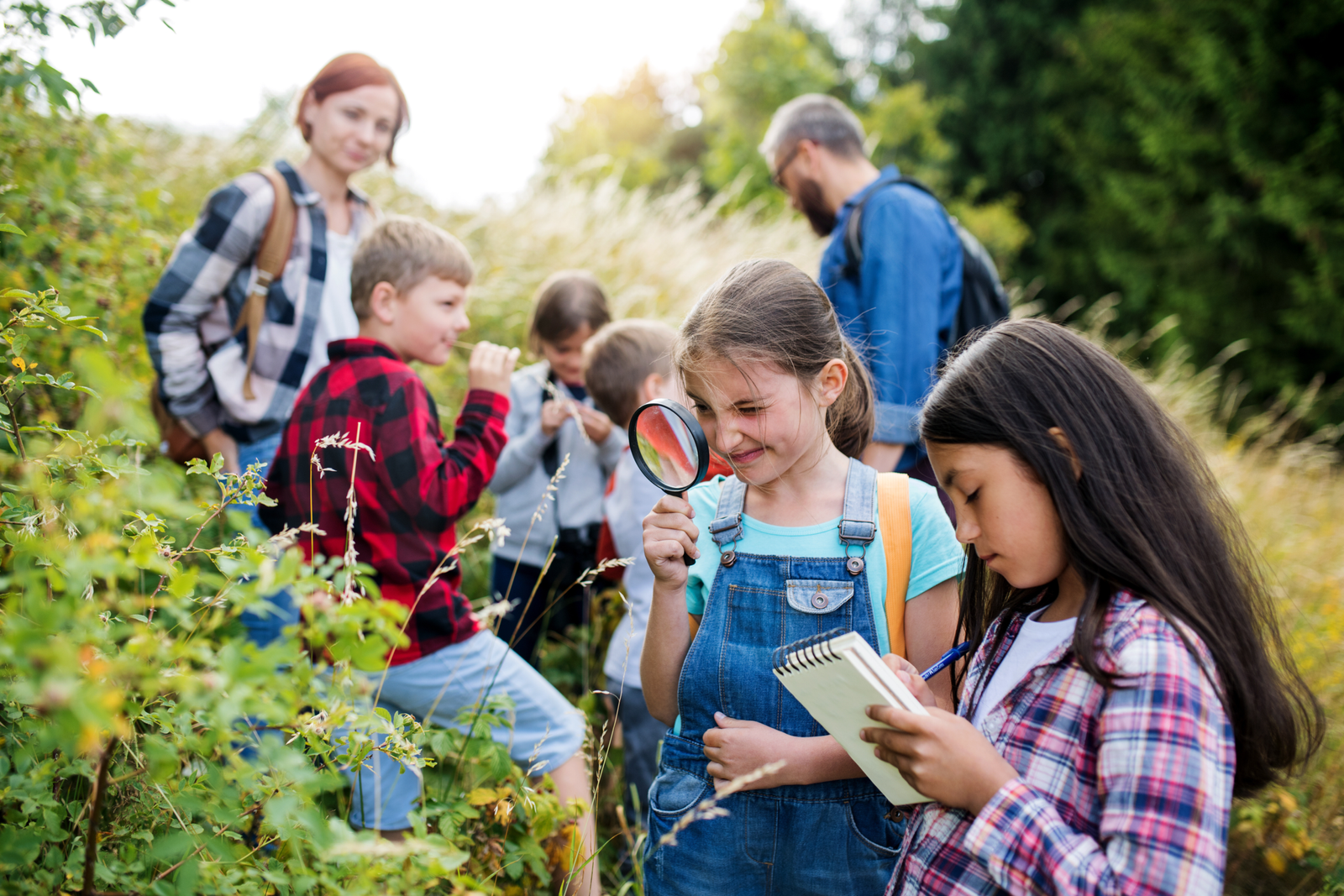
Environmental education helps students understand how living organisms interact with their surroundings and depend on balanced ecosystems for survival. Rather than relying solely on textbooks, modern science education increasingly focuses on observation and investigation to make ecological concepts more tangible. When students actively explore natural systems, they begin to recognize connections between animals, habitats, and environmental change.
Hands-on learning encourages curiosity while strengthening analytical thinking. By examining evidence found in nature, learners move beyond memorization and develop genuine scientific understanding rooted in discovery.
Why Experiential Learning Strengthens Environmental Awareness
Students often grasp ecological relationships more effectively when they investigate real biological materials or environmental samples. Direct interaction promotes engagement and helps learners visualize food chains, biodiversity, and adaptation processes.
Experiential activities allow students to ask questions such as how predators survive, what animals consume, and how ecosystems remain balanced. These questions naturally lead to deeper exploration of ecological systems.
Benefits of experiential environmental learning include:
- Improved observation skills
- Stronger understanding of ecological relationships
- Increased student engagement
- Greater appreciation for biodiversity
These outcomes help transform environmental science into an interactive discipline.
Connecting Classroom Learning With Natural Systems
Environmental science becomes meaningful when classroom lessons reflect real-world processes. Observing evidence left by animals, studying habitats, or analyzing biological remains enables students to connect theory with practical understanding.
When learners recognize that ecosystems function through interconnected relationships, environmental responsibility becomes easier to understand.
Understanding Food Chains and Predator Behavior
Food chains illustrate how energy moves through ecosystems. Predators, herbivores, and decomposers each contribute to maintaining ecological balance. Studying predator behavior provides insight into survival strategies and population regulation.
Investigating Predator Diets
Predatory animals play an important role in controlling prey populations. Understanding what predators consume helps students analyze ecosystem health and biodiversity patterns.
Educational resources such as <a href=”https://www.nascoeducation.com/science/environmental-science/owl-pellets.html”>owl pellets</a> allow students to examine physical evidence of predator feeding habits. Through investigation, learners can identify bones and reconstruct prey species, revealing dietary patterns and ecological interactions.
This type of analysis introduces scientific reasoning while reinforcing biological classification skills.
Learning Through Scientific Reconstruction
Reconstructing animal remains encourages patience and attention to detail. Students carefully sort, identify, and interpret findings, mirroring processes used by professional researchers.
Activities focused on reconstruction help learners develop skills such as:
- Classification of biological structures
- Comparative anatomy observation
- Hypothesis formation
- Evidence-based reasoning
These experiences highlight how scientists gather information from indirect evidence.
Developing Observation and Investigation Skills
Scientific literacy depends heavily on observation and interpretation. Environmental science activities provide opportunities for students to practice these essential skills in structured learning environments.
Encouraging Careful Observation
Observation requires concentration and systematic thinking. Students learn to notice patterns, differences, and relationships within biological samples.
Important observation practices include:
- Recording detailed notes
- Sketching findings accurately
- Comparing observations with reference guides
- Discussing interpretations collaboratively
These practices reinforce scientific communication and analytical thinking.
Promoting Inquiry-Based Learning
Inquiry-based learning shifts focus from instruction to exploration. Instead of receiving answers immediately, students investigate questions independently and test their assumptions through evidence.
Using investigative materials such as <a href=”https://www.nascoeducation.com/science/environmental-science/owl-pellets.html”>owl pellets</a> allows learners to ask meaningful ecological questions while actively participating in discovery.
Inquiry-driven environments encourage curiosity and long-term engagement with science topics.
Collaboration in Scientific Exploration
Group investigations promote teamwork and communication skills. Students share findings, compare interpretations, and develop collective conclusions based on evidence.
Collaborative learning mirrors real scientific research, where discoveries often result from shared analysis rather than individual effort.
Connecting Environmental Science to Broader Ecological Concepts
Environmental investigations help students understand broader ecological principles such as adaptation, habitat diversity, and conservation.
Understanding Biodiversity and Habitat Balance
Every ecosystem relies on biodiversity to remain stable. Predators influence prey populations, while environmental conditions shape species behavior and survival.
Analyzing predator-prey relationships allows students to observe how disruptions can affect entire ecosystems. These insights support discussions about conservation and environmental responsibility.
Examples of ecosystem discussion topics include:
- Habitat loss and species adaptation
- Human impact on wildlife populations
- Energy transfer within food webs
- Seasonal changes affecting ecosystems
Such discussions connect classroom science with global environmental challenges.
Linking Ecology to Conservation Awareness
Environmental education often inspires students to consider sustainability and conservation practices. Understanding ecosystem balance encourages responsible decision-making related to natural resources and wildlife protection.
Students begin recognizing how individual actions contribute to environmental outcomes, reinforcing the importance of stewardship.
Building Long-Term Scientific Curiosity
Hands-on environmental investigations frequently spark lasting interest in science. When learners participate actively, they develop confidence in their ability to analyze and interpret complex systems.
Strengthening Critical Thinking Skills
Environmental investigations require students to evaluate evidence, compare possibilities, and draw logical conclusions. These processes strengthen reasoning skills applicable across academic disciplines.
Critical thinking develops through repeated practice in observation, classification, and interpretation.
Encouraging Future Scientific Exploration
Early exposure to investigative science may inspire interest in careers related to biology, ecology, environmental research, or conservation. Students who experience discovery firsthand often develop stronger motivation to pursue scientific learning.
Practical experiences demonstrate that science involves exploration rather than memorization, making learning more meaningful and accessible.
Conclusion
Environmental science education becomes most effective when students engage directly with evidence from natural ecosystems. Hands-on investigations help learners understand food chains, predator behavior, and ecological balance through active participation.
By developing observation skills, encouraging inquiry-based learning, and connecting scientific concepts to real-world environments, educators create meaningful learning experiences that extend beyond the classroom. Activities that promote reconstruction, analysis, and collaboration strengthen both scientific understanding and curiosity. Through experiential exploration, students gain a deeper appreciation for biodiversity and ecosystem stability, fostering awareness that supports lifelong learning and environmental responsibility.