Explain the Types of Church Dresses: Know the Difference Between Them
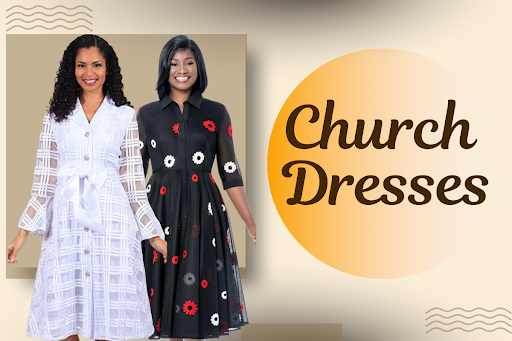
In the world of modest fashion, Church Dresses represent more than just clothing. They symbolize respect, tradition, femininity, and personal expression within a place of worship. While they may appear similar at first glance, church dresses come in many distinct styles—each designed with specific cuts, purposes, and levels of formality.
Many women assume that any modest dress qualifies as church attire. However, understanding the differences between styles helps you choose the right outfit for Sunday services, holiday celebrations, weddings, and leadership events. When you recognize what sets each design apart, you can build a wardrobe that feels both appropriate and empowering.
Let’s explore the most common types and discover what makes each one special.
Why Knowing the Different Styles Is Important
Not all church dresses are designed the same way. Even subtle design differences can affect how a dress looks and feels.
Understanding the variations helps you evaluate:
- Overall comfort during long services
- How the dress complements your body shape
- Whether it fits the level of formality
- Seasonal appropriateness
- Styling possibilities with accessories
When you’re aware of these distinctions, you avoid choosing dresses that feel uncomfortable, too casual, or overly formal for the occasion. Instead, you make confident and thoughtful fashion decisions.
A-Line Church Dresses
The A-line style remains one of the most trusted choices in church fashion. Its name comes from its shape—it resembles the letter “A.”
Defining Characteristics
- Fitted or structured bodice
- Gradual flare from the waist downward
- Typically knee-length or midi
What Makes It Different
The A-line silhouette gently highlights the waist while offering room through the hips. This makes it flattering for a wide range of body types. Unlike more fitted styles, it provides movement and comfort without sacrificing elegance.
Because of its versatility, the A-line dress works well for weekly Sunday services and semi-formal gatherings alike.
Sheath Church Dresses
Sheath dresses create a sleek, tailored appearance. Instead of flaring outward, this style follows the body’s natural shape.
Main Features
- Straight, narrow cut
- Close-to-body fit
- Minimal, refined structure
When to Wear a Sheath Style
Sheath church dresses are often chosen for more formal church occasions, such as leadership meetings, special services, or ceremonies. Their streamlined look projects confidence and professionalism.
The key distinction between sheath and A-line designs lies in the silhouette. Sheath dresses maintain a straight structure, while A-line dresses widen from the waist.
Fit and Flare Church Dresses
Fit and flare designs offer a slightly more dramatic silhouette. They combine a fitted upper portion with a noticeably fuller skirt.
Why They’re Unique
- Clearly defined waistline
- Fuller skirt with added volume
- Elegant, flowing movement
Compared to standard A-line styles, fit and flare dresses usually feature a more pronounced flare. This added fullness creates a feminine and celebratory feel, making them ideal for special occasions such as Easter services or church weddings.
Maxi Church Dresses
Maxi church dresses extend to the ankle or floor, offering the highest level of coverage.
Best Occasions for Maxi Styles
- Traditional services
- Formal ceremonies
- Cooler seasons
The main difference between maxi and shorter options lies in length. Maxi dresses provide a flowing, graceful appearance and are often associated with more formal settings.
Midi Church Dresses
Midi dresses fall between the knee and ankle. They offer a balanced option that blends modesty with modern style.
Why Many Women Prefer Midi Length
- Comfortable for walking and sitting
- Suitable for women of all ages
- Easy to pair with both heels and flats
Midi church dresses are often viewed as the most practical and adaptable choice for regular Sunday worship. They provide coverage without feeling restrictive.
Wrap Church Dresses
Wrap dresses feature a front closure where one side crosses over the other and ties at the waist.
Standout Benefits
- Adjustable fit
- Flattering neckline
- Comfortable flexibility
Because of the adjustable waist tie, wrap church dresses accommodate slight size changes and provide a customized fit. They combine modest coverage with natural shape definition.
Lace Church Dresses
Lace brings texture and elegance to church attire. Dresses made with lace often include an overlay or detailed accents.
What Sets Lace Apart
- Decorative surface texture
- Refined and feminine appearance
- Often chosen for special services
Unlike plain fabric dresses, lace styles carry a more formal and delicate aesthetic. They are commonly selected for holiday services, weddings, and celebratory events.
Two-Piece Church Suits vs. Dresses
Although technically different from dresses, two-piece church suits deserve recognition in modest fashion discussions.
How They Compare
- Coordinated jacket and skirt
- Structured tailoring
- Traditional and formal appearance
Church suits typically present a more structured and formal appearance than single-piece dresses. They are often worn by choir members, church leaders, or for major events.
Dresses, on the other hand, typically provide a softer and more fluid look.
Seasonal Variations in Church Dresses
Weather and climate also influence church dress choices.
Spring and Summer
- Short sleeves or three-quarter sleeves
- Lightweight fabrics
- Breathable materials
Fall and Winter
- Long sleeves
- Heavier fabrics
- Layer-friendly designs
Seasonal differences focus primarily on comfort and material selection rather than silhouette changes.
Choosing the Right Church Dress for You
With so many options available, selecting the right dress becomes easier when you consider a few key factors:
- Body Shape – Identify silhouettes that enhance your natural proportions.
- Event Type – More formal occasions call for structured or detailed designs.
- Comfort Level – Breathable fabrics are essential for long services.
- Preferred Length – Decide whether knee-length, midi, or maxi feels most comfortable.
Trying different styles helps you discover what works best for your personal taste and lifestyle.
Where to Shop for Quality Church Dresses
Finding well-made church dresses requires attention to detail. Reputable retailers typically provide:
- Accurate size charts
- Clear product descriptions
- High-quality fabrics
- Transparent return policies
- Verified customer reviews
Shopping from reliable sources ensures better fit, durability, and satisfaction.
Frequently Asked Questions
1. Which type of church dress is most versatile?
A-line and midi styles are widely considered the most adaptable for various occasions.
2. Can I wear a maxi dress for a regular Sunday service?
Yes. Simple maxi designs without heavy embellishment are suitable for weekly worship.
3. How do I determine which silhouette suits me?
Focus on comfort, waist definition, and overall balance when trying different styles.
4. Are wrap dresses appropriate for church?
Yes, wrap church dresses offer both modest coverage and flattering structure.
5. What distinguishes fit and flare from A-line?
Fit and flare styles typically have more dramatic skirt volume compared to traditional A-line cuts.
6. Should I choose a church suit instead of a dress?
It depends on the formality of the event. Suits are more structured, while dresses offer softer elegance.
Conclusion: Make Thoughtful and Stylish Choices
Understanding the various types of Church Dresses allows you to dress with confidence and intention. From the universally flattering A-line to the structured sheath, from flowing maxi designs to refined lace styles, each option serves a unique purpose.
When you recognize the differences between silhouettes, lengths, and fabrics, you can choose a dress that aligns with both the occasion and your personal style. The right church dress doesn’t just enhance your appearance—it supports your comfort and confidence throughout worship and celebration alike.