Ensuring Safety: The Essentials of Emergency Evacuation and Warden Training
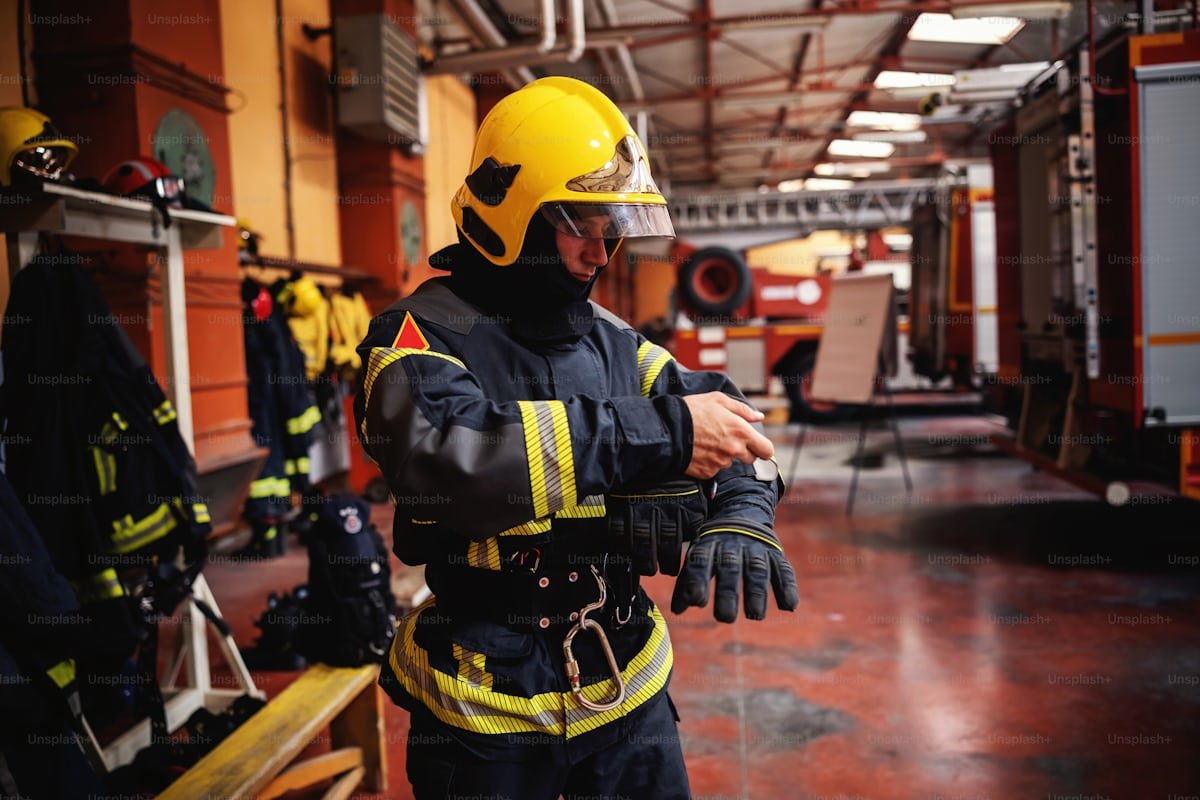
When something goes wrong in a building—a fire alarm, a gas leak, smoke in a corridor—people don’t rise to the occasion, they fall back on their training. That’s why businesses can’t rely on “common sense” alone. They need a clear, tested emergency evacuation plan and properly trained wardens who know exactly what to do when every second counts.
In Australia, regulations set a baseline, but real safety goes beyond ticking a compliance box. It’s about making sure everyone in the building understands where to go, who to listen to and how to act under pressure.
Why Every Workplace Needs a Practical Evacuation Plan
An evacuation plan is more than a floor diagram on the wall. It’s a documented, site-specific process that covers how people will be alerted, where they will go, how roll calls will be done and what happens if things don’t go to script.
A strong plan usually considers:
- The size and layout of the building, including high-risk areas like kitchens, plant rooms or storage areas
- The mix of occupants—staff, visitors, contractors, customers and people who may need extra assistance
- Different incident types, from fire and smoke to chemical spills, security threats or loss of power
When these elements are thought through in advance, responses become faster and calmer. People don’t waste time debating which exit to use or whether an alarm is “real.” They already know the drill.
The Critical Role of Fire and Emergency Wardens
Even the best documented procedure needs people to bring it to life. That’s where wardens are essential. They are the ones who check areas, direct occupants, communicate with the chief warden and liaise with emergency services.
In a real incident, wardens:
- Stay composed and visible so others feel confident following instructions
- Sweep their designated zones to make sure no one is left behind
- Manage issues like blocked exits, mobility support and confused visitors
- Provide accurate information about the situation at assembly areas
Without trained wardens, evacuations can become noisy, disorganised and slow—exactly what you don’t want when time is critical.
Why Formal Warden Training Matters
It’s common for businesses to appoint wardens but not give them enough training. That leaves them carrying responsibility without the skills to match. Proper training changes that by giving them a clear framework to follow, not just a title and a hi-vis vest.
Good programs cover how alarms and warning systems work, the structure of the emergency control organisation, communication protocols (including when to escalate) and how to safely assist people with disabilities or injuries. They also explore scenarios and decision-making, so wardens aren’t caught off-guard when something unusual happens.
Modern fire warden training online options make this easier than ever, allowing organisations to train staff across multiple sites without disrupting operations. Providers like First 5 Minutes combine digital learning with practical guidance so wardens understand both the theory and what it looks like in real life.
Drills: Turning Plans into Real Behaviour
An evacuation plan and warden team only prove their value when tested. Regular drills are how you find weak spots before an actual emergency does.
Effective drills are treated as learning exercises, not box-ticking exercises. Afterwards, it’s vital to review what went well and what didn’t:
- Did everyone hear and understand the alarm?
- Were wardens able to reach and clear their areas quickly?
- Did people use the right exits and assemble in the correct location?
- How long did it take until the all-clear?
These insights feed back into refining the plan, improving signage and giving targeted feedback to wardens and staff. Over time, each drill should feel more efficient and more controlled than the last.
Designing Clear Communication Before, During and After an Emergency
Communication is one of the biggest determinants of how people behave during an emergency. If messages are unclear or inconsistent, rumours and panic can spread faster than the incident itself.
Before an incident, clear signage, induction training and regular reminders help everyone understand where exits, stairs, assembly points and fire equipment are located. During an incident, public address systems, wardens and internal messaging channels keep people informed. Afterward, a short debrief helps close the loop, reinforcing that safety is taken seriously and improvements will be made.
The more familiar people are with the process, the less frightening a real alarm will feel—and the more likely they are to react promptly and calmly.
Tailoring Plans to Your Building and Risk Profile
No two sites are exactly the same, so copying a generic template rarely works well. A good emergency plan reflects your specific risks: high-rise vs low-rise, office vs warehouse, retail vs healthcare, day-only operations vs 24/7 shifts.
That tailoring includes:
- Custom evacuation routes that account for bottlenecks and disabled access
- Role assignments based on who is usually present in each area
- Consideration of contractors and visitors who may not know the layout
- Integration with building systems, such as access control and lifts
Reviewing and updating this information regularly—especially after fit-outs, layout changes or expansions—ensures the plan remains accurate over time.
Building a Culture That Takes Safety Seriously
Ultimately, the goal is to make emergency readiness part of everyday culture, not something people think about once a year.
That doesn’t mean scaring staff with worst-case scenarios. It means normalising conversations about safety: pointing out exits during meetings, explaining what alarms mean to new starters, treating drills with respect rather than rolling eyes.
When leaders participate in training and drills, choose wardens carefully and follow through on improvements, it sends a message that safety is non-negotiable. Over time, that culture does as much to protect people as the plan itself.
A well-structured emergency evacuation process, backed by confident, trained wardens, is one of the most practical investments any organisation can make. It protects lives, reduces liability and gives everyone in the building the reassurance that, if something goes wrong, there is a clear, calm path to getting out safely.