Cinematic Lighting With Kimg AI: Golden Hour And Volumetric Magic
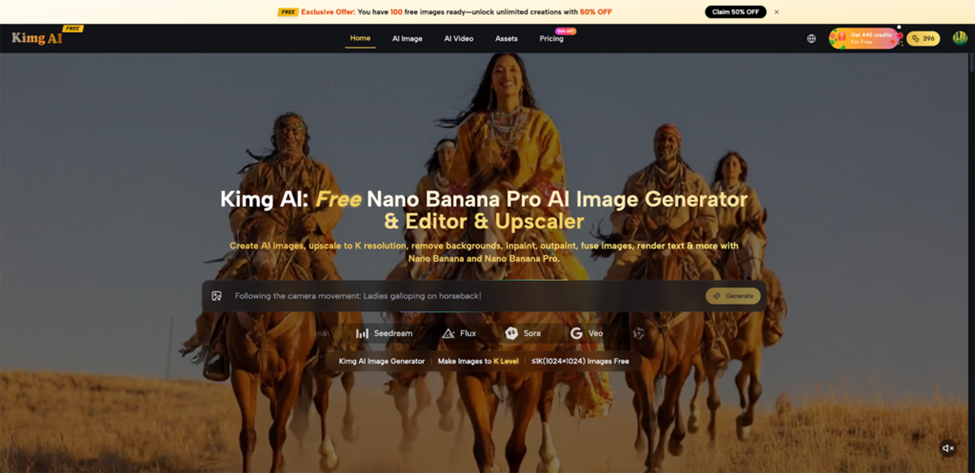
Indie filmmakers and concept designers often know how the light should feel in a scene, but not how to translate that feeling into precise, controllable prompts. When those prompts meet Kimg AI, golden hour streets, smoky shafts of light, and misty backlit silhouettes stop being vague “mood boards” and start becoming repeatable visual language. By starting with Nano Banana Pro as the core image engine, creators can shape cinematic lighting in a way that keeps subtle glow on skin, soft haze in the air, and clear focus on the story.
I. Why Cinematic Lighting Matters
- Cinematic lighting is not just brightness; it defines mood, depth, and story beats in a single frame, from hopeful backlit profiles to secretive beams through dust.
- For independent creators with limited crews and budgets, controlling light through prompts offers access to looks that usually need complex lighting setups and heavy gear.
- When lighting is handled with intention in prompts, framing, color contrast, and texture become easier to guide, because the light already tells the audience where to look and how to feel.
II. How Kimg AI And Nano Banana Pro Help
- Kimg AI connects to advanced image models so cinematic stills can be created, adjusted, and reused across storyboards, concept frames, and visual pitches without constant re‑creation.
- The workflow focuses on clear prompts and concise settings, helping creators experiment with different lighting ideas while keeping results stable and easy to compare.
- With Nano Banana Pro as a premium option, the engine aims for clear detail and solid structure, so specular highlights, soft falloff on skin, and haze in volumetric beams remain readable across different uses.
III. Laying A Prompt Foundation For Light
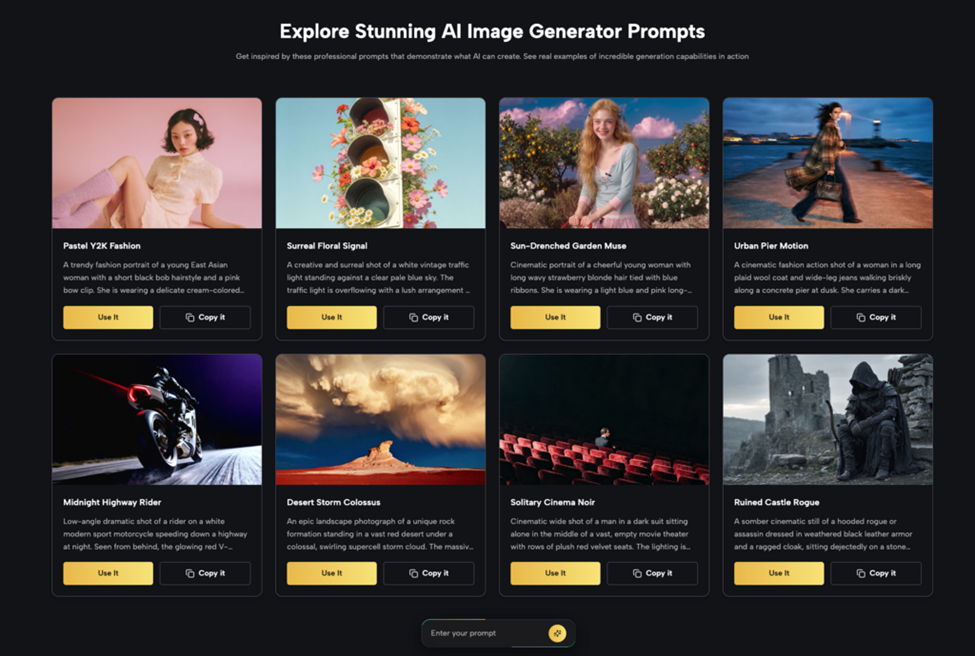
- A strong lighting prompt usually combines three elements: time of day, direction and quality of light, and atmosphere such as haze, dust, mist, or rain, which together describe how light behaves in the scene.
- Describing surfaces that interact with light helps: wet asphalt reflecting orange streetlights, fog softening distant neon, or dust catching sunbeams through a warehouse window.
- Adding emotional intent like “melancholic”, “tender”, or “ominous” guides the model toward combinations of contrast and color that support the story rather than just producing decorative light.
IV. Golden Hour: Writing Like A Cinematographer
1. Capturing The Warm Edge Of Day
- Golden hour is defined by low, warm light and long shadows, so prompts that mention “low sun near horizon”, “soft warm glow”, and “long shadows stretching across the ground” tend to produce convincing results.
- Emphasizing “backlit subject with subtle rim light around hair and shoulders” helps the engine separate characters from the background in a way that feels naturally photographic.
- Adding touches such as “dust motes floating in the air”, “soft lens bloom”, or “gentle lens flare” can mimic the behavior of real lenses pointed into the setting sun.
2. Matching Genre And Emotion
- Romance scenes respond well to “gentle golden hour light wrapping around the couple, soft contrast, pastel sky gradients”, which keeps the light flattering and forgiving.
- For reflective or bittersweet moments, “hazy golden hour with the sun almost gone, cooler shadows, warm highlights on the horizon” creates a quiet, end‑of‑day feeling.
- Action or thriller beats at sunset can lean on “hard golden light cutting through industrial structures, strong silhouettes, high contrast between sunlit edges and deep shadows”.
V. Volumetric Lighting: Sculpting Air
1. Writing For Visible Beams
- Volumetric lighting appears when beams interact with particles; mentioning “thick haze” or “light fog in the room” gives the system permission to show the air as a medium.
- Phrases like “god rays streaming through a broken cathedral window” or “narrow shafts of light piercing dusty warehouse darkness” prompt clear, dramatic beams.
- To keep the effect grounded, combining beams with darker surroundings such as “deep shadows in corners, only light beams revealing floating dust” prevents the result from looking flat and washed out.
2. Balancing Atmosphere And Clarity
- Too much haze can hide detail, so prompts that include “subtle volumetric light, moderate fog, subject still clearly visible” help maintain readability.
- For concept art where architecture matters, “volumetric lighting revealing depth between foreground columns and distant arches” keeps structural forms legible.
- Horror or mystery scenes work well with “narrow cone of light from flashlight cutting through mist, edges of beam clearly visible, background sinking into darkness”.
VI. Making The Most Of Nano Banana Pro AI
- Within Kimg AI, Nano Banana Pro AI serves creators who need polished images for storyboards, concept frames, or visual pitches; using Nano Banana Pro AI, a single lighting idea can be rendered with enough clarity to show the edge of a rim light or the density of fog.
- The model’s detailed output keeps small elements—raindrops in a beam, fine hair lit from behind, windows catching the last light of day—clear enough to communicate lighting direction to a crew or client.
- Combined with a careful prompt workflow, Nano Banana Pro AI enables targeted experiments: changing the color of god rays, strengthening or softening contrast, or shifting where the brightest area sits in the frame.
VII. Conclusion
Cinematic lighting becomes truly useful once it can be described in clear, repeatable language instead of vague “vibes”. With Kimg AI, indie filmmakers and concept designers can test golden hour warmth, sharp volumetric beams, or soft atmospheric haze before a single real lamp is switched on. By treating time of day, light direction, atmosphere, and emotion as core parts of every prompt, each generated frame moves closer to behaving like a carefully lit shot that a crew can understand and execute on set. Instead of waiting for perfect weather, equipment, or budget, creators can start shaping their next film or concept now—one well‑written lighting prompt at a time.