Binocular Vision Dysfunction: How to Recognize and Treat This Hidden Condition
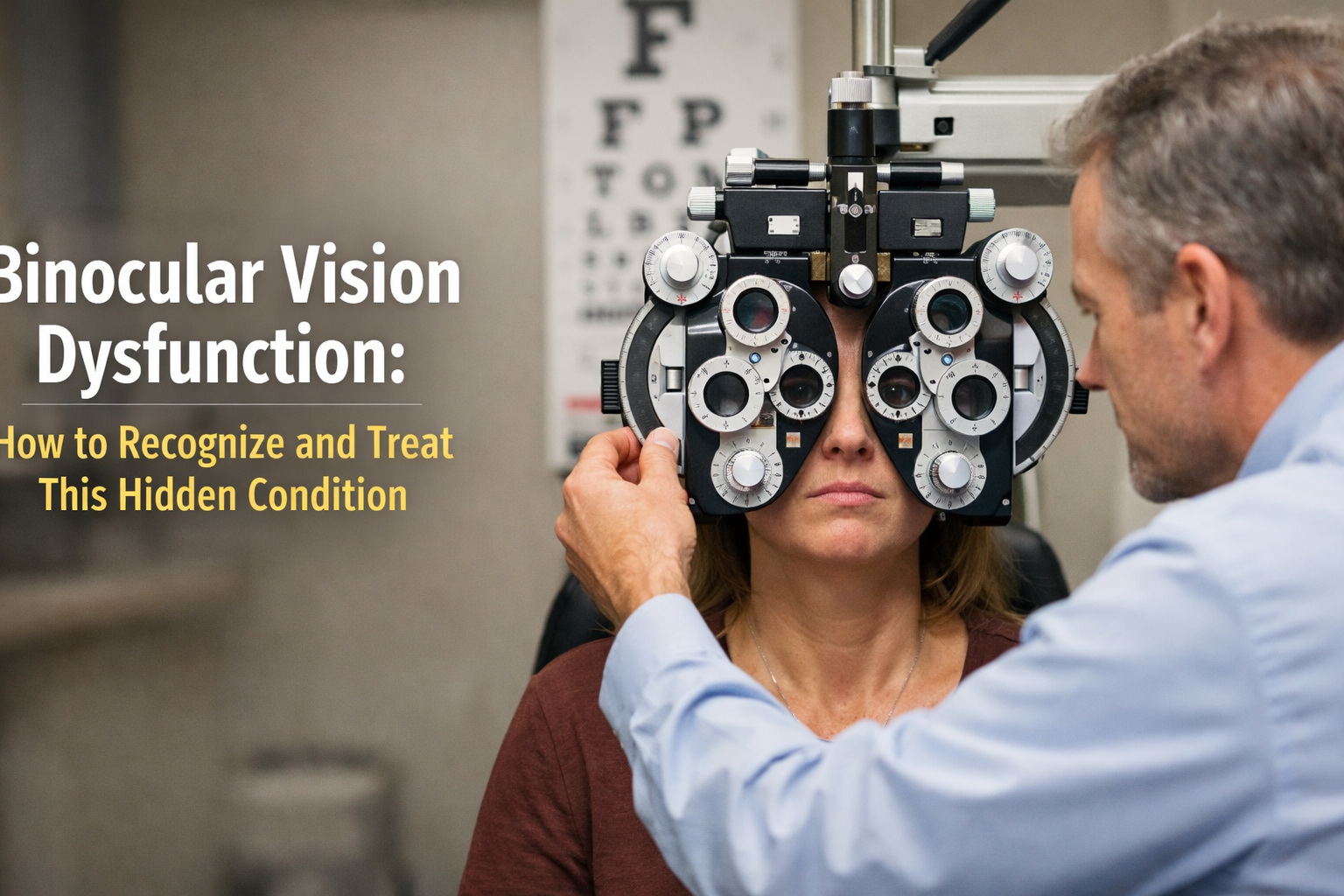
Have you ever struggled to focus on objects that seem to dance or double in your vision? You’re not alone. Binocular Vision Dysfunction (BVD) is a complex and often overlooked condition affecting many individuals. While it may go unnoticed, the impact of BVD can be significant, disrupting daily activities and overall quality of life. Understanding this hidden condition is crucial for recognizing symptoms early and seeking appropriate treatment. Let’s dive into what BVD is all about and how to navigate its challenges effectively. Your path to clearer vision starts here!
Overview of Binocular Vision Dysfunction
Binocular Vision Dysfunction (BVD) occurs when the eyes fail to work together harmoniously. This misalignment can lead to difficulties in judging distances and experiencing clear, single vision. People with BVD may often experience discomfort that goes beyond mere visual impairment.
This condition is not just about blurred sight; it impacts daily activities like reading, driving, or even watching television. Awareness of BVD is essential for early recognition and effective management, helping individuals regain control over their visual experiences.
Recognizing Symptoms and Causes
Binocular Vision Dysfunction (BVD) can manifest through a range of symptoms. You might experience double vision, difficulty focusing, or eye strain. These issues often lead to headaches and fatigue, making daily activities challenging.
Understanding the causes is crucial for recognition. BVD may stem from conditions like strabismus or convergence insufficiency. Eye muscle imbalances can also contribute to this dysfunction. Identifying these signs early on helps in seeking appropriate care and managing the condition effectively.
Diagnosing Binocular Vision Dysfunction
Diagnosing Binocular Vision Dysfunction (BVD) can be complex. Eye care specialists often start with a comprehensive eye exam, assessing visual acuity and alignment. They may use specific tests to evaluate how well the eyes work together.
Additionally, they might explore your medical history for any contributing factors like trauma or developmental conditions. Often, questionnaires help identify symptoms that aren’t immediately visible during testing. This thorough approach ensures an accurate diagnosis tailored to individual needs.
Managing and Treating BVD
Managing Binocular Vision Dysfunction often involves a multi-faceted approach. Treatment can include vision therapy, which helps strengthen eye coordination and improve visual skills. Specialized exercises may also address muscle imbalances.
In some cases, corrective lenses or prisms are prescribed to enhance visual alignment. For those experiencing severe symptoms, surgical options might be considered. Consulting with an eye care specialist ensures you receive a tailored plan that best suits your individual needs and lifestyle challenges related to BVD.
Understanding Prognosis
The prognosis for Binocular Vision Dysfunction (BVD) can vary significantly among individuals. Factors such as the underlying cause, severity of symptoms, and response to treatment all play a crucial role in determining outcomes.
Many patients experience improvements with appropriate interventions. However, some may face persistent challenges despite efforts to manage their condition. Understanding these nuances is essential for setting realistic expectations and developing a comprehensive care plan tailored to individual needs.
Preventive Measures and Living With BVD
Preventive measures for Binocular Vision Dysfunction (BVD) can significantly improve daily living. Regular eye exams are crucial. Early detection helps mitigate symptoms and guide treatment.
Living with BVD requires understanding your condition. Adopting lifestyle changes like managing screen time and practicing visual exercises can help maintain comfort. Support groups or therapy may also offer emotional relief, creating an environment where you can share experiences and strategies with others facing similar challenges.
When to Seek Healthcare and Questions for Eye Care Specialists
If you notice persistent symptoms like double vision, eye strain, or headaches, it’s crucial to seek healthcare. These signs could indicate Binocular Vision Dysfunction that needs professional assessment.
When visiting an eye care specialist, prepare a list of questions. Ask about the causes of your symptoms and potential treatment options. Inquire about exercises or therapies that might help improve your condition. Understanding your choices is key to managing BVD effectively and improving your quality of life.
Expert Insights and References
Experts in optometry and ophthalmology emphasize the importance of recognizing Binocular Vision Dysfunction early. They highlight that timely diagnosis can significantly improve treatment outcomes and quality of life for affected individuals.
Research studies offer valuable insights into the prevalence, symptoms, and effective management strategies for BVD. Resources from trusted medical journals provide evidence-based information that guides both patients and practitioners in navigating this complex condition effectively.
Personalized Treatment Approaches for BVD
Personalized treatment for Binocular Vision Dysfunction (BVD) is essential. Each individual may experience different symptoms, thus requiring tailored strategies. Eye care professionals often create customized plans based on specific needs and lifestyle.
These approaches can include vision therapy, prism glasses, or even exercises designed to improve eye coordination. The goal is to enhance visual comfort and function while addressing underlying issues. Collaborating with an experienced specialist ensures the best possible outcomes for managing BVD effectively.
Find Lasting Relief and Eye Care Services
Finding lasting relief from Binocular Vision Dysfunction often requires a collaborative approach. Eye care services can help identify the specific needs of your condition. With advanced diagnostic tools and personalized assessments, specialists can tailor treatment plans that fit your lifestyle.
From vision therapy to corrective lenses, various options are available. The goal is to improve comfort and functionality in daily activities. Seeking professional guidance ensures you receive appropriate care while navigating the complexities of BVD effectively.
Developmental Challenges and Eye Muscle Imbalance
Developmental challenges can significantly impact eye coordination. Children may struggle with tasks that require tracking or focusing, leading to frustration in school and daily activities. This can stem from a lack of proper visual development.
Eye muscle imbalance is often at the core of these issues. When the muscles controlling eye movement don’t work together effectively, it results in misalignment. This misalignment complicates vision and contributes to symptoms associated with Binocular Vision Dysfunction, making early detection crucial for effective management.
Risk Factors and Personalized Solutions
Certain risk factors can contribute to the development of Binocular Vision Dysfunction. These may include a family history of vision issues, previous eye injuries, or specific neurological conditions. Identifying these risks is crucial for early intervention.
Personalized solutions are essential for managing BVD effectively. Tailored treatment plans might involve vision therapy or corrective lenses designed to improve coordination between the eyes. Collaborating with an eye care specialist can help find strategies that work best for each individual’s unique situation.
Can BVD be Cured?
Binocular Vision Dysfunction is often manageable, but the question of a complete cure can be complex. Many people experience significant improvements through various treatments, including vision therapy and corrective lenses.
However, some individuals may continue to face challenges even after treatment. The effectiveness varies based on the severity of the condition and individual circumstances. It’s crucial to work closely with eye care professionals to explore tailored solutions that fit your specific needs for better visual comfort and function.
Navigating BVD with Eye Care Providers
Navigating BVD with Eye Care Providers involves establishing a strong partnership for the best outcomes. Open communication is vital. Share your symptoms and concerns thoroughly to aid in accurate diagnosis and management.
Regular follow-ups are essential, as treatment may require adjustments over time. Don’t hesitate to ask questions about the condition, available treatments, or any new developments in eye care that could benefit you.
Choosing an eye care provider who understands Binocular Vision Dysfunction can make a significant difference. Their expertise will guide you through personalized solutions tailored to your needs, ensuring you find relief while adapting to life with BVD effectively.