Battery Type, Capacity, and Lifespan: What Matters Most When Buying an Electric Bike?
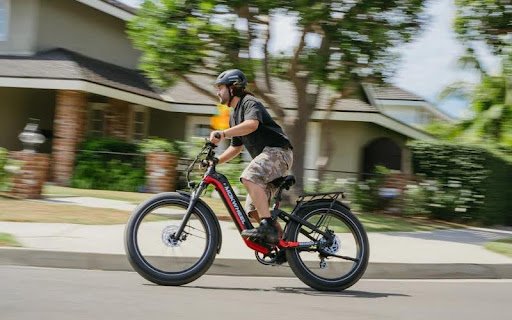
When evaluating the quality of an Electric bike, the battery is the single most important factor.
Among all performance specifications, the battery is always what riders care about most—it determines range, power output, lifespan, and even safety. For anyone comparing Electric bikes currently on the market, understanding the battery is essentially understanding the true core value of the bike.
As the industry evolves, brands like Mokwheel are investing more heavily in battery technology—upgrading capacity while improving BMS (Battery Management System) and overall energy efficiency. As a result, even bikes with similar battery specs can perform more stably and last longer. This also makes their models highly competitive among Ebikes for Sale.
Battery Types: NMC vs. LFP—Which One Is Right for You?
Mainstream lithium batteries used in Electric bikes include:
1. NMC (Nickel Manganese Cobalt) Batteries
Known for strong power output, commonly seen in many high-performance promotional models.
2. LFP (Lithium Iron Phosphate) Batteries
Extremely safe with a long lifespan—ideal for riders who commute year-round.
3. Lightweight Lithium Batteries (LCO)
Lightweight but shorter lifespan, typically used in light-duty models.
If you want more power → choose NMC
If you want stability and longevity → choose LFP
Many Ebikes for Sale highlight battery chemistry as a key selling point, and understanding these differences helps buyers avoid marketing traps.
Battery Capacity: Why Why Is the Real Key to Range
Many new buyers look at Ah (amp-hours), especially when browsing Electric bikes with holiday discounts. But Wh (watt-hours) is the true indicator of range:
Wh = Voltage (V) × Amp-hours (Ah)
Recently, multiple brands have increased battery Wh across their product lines. Mokwheel, for example, equips many of its commuter and off-road models with higher-capacity batteries, offering more stable performance during long-distance rides or on steep terrain. This is especially valuable when comparing different Ebikes for Sale.
Here are three common capacity ranges:
Around 500Wh
- Range: 18–31 miles
- Best for: short trips
- Often found on entry-level Electric bikes currently for sale
Around 700–900Wh
- Range: 31–56 miles
- Best for: daily commuting + weekend recreation
- Many Mokwheel models fall within this range, balancing weight and endurance
- A common sweet spot for mid-tier Ebikes for Sale
1000Wh and Above
- Range: 50–75 miles
- Best for: touring, long-distance rides, and fat-tire off-road bikes
- Fat-tire models require higher Wh due to greater rolling resistance
While higher capacity offers more flexibility, the bike’s tuning ultimately determines whether you’ll get the range you expect.
What Really Affects Your Range?
Many riders comparing Ebikes for Sale notice that even with similar battery capacities, range can vary by 20–30%.
Reasons include:
Pedal-assist level
Higher levels drain the battery faster.
Temperature
Cold weather reduces battery activity, decreasing range by 15–30%.
Terrain & load
Hills, rough roads, and heavy loads consume more energy.
Tire pressure
Low tire pressure drastically increases rolling resistance—especially on fat-tire bikes.
Brands like Mokwheel optimize motor and controller tuning more precisely, allowing their Electric bikes to achieve longer range under the same battery capacity—an advantage that stands out among premium Ebikes for Sale.
Battery Lifespan Is Not Just About Charge Cycles
Typical lithium batteries last 800–1200 cycles, but real lifespan depends heavily on usage habits.
Tips to extend battery life:
- Keep charge between 30%–80%
- Avoid deep discharges
- Let the bike rest 5 minutes after riding before charging
- Don’t leave the charger plugged in for long periods
- Always use the original charger
These habits can extend battery life by 20–40%—crucial knowledge when comparing Electric bikes or evaluating deals among Ebikes for Sale.
BMS—The Real Key to Safety and Durability
A smart Battery Management System offers:
- Overcharge protection
- Over-discharge protection
- Temperature monitoring
- Cell balancing
Capacity determines how far you can ride,
but BMS determines whether you can ride safely.
Mokwheel includes intelligent BMS as standard, giving its models a safety advantage among Electric bikes currently for sale and across premium Ebikes for Sale categories.
Why Christmas Is the Best Time to Buy a High-capacity Battery
If you’re planning to purchase a long-range Electric bike or want an extra battery, Christmas is often the best time of the year.
This year, Mokwheel’s holiday promotions include:
- Free accessory bundles with bikes
- Add-on spare batteries for $199.99
- Multiple combo discount packages
Great value for riders who prioritize long-range performance—especially compared to other Ebikes for Sale.
Which Battery Should Different Riders Choose?
- Short-distance commuting: 500–700Wh
- Daily commuting 6+ miles each way: 700–900Wh
- Travel & touring: 1000Wh+
- Fat-tire off-road bikes: at least 900Wh
These recommendations apply to Mokwheel and all other Electric bikes currently for sale, helping you better filter through countless Ebikes for Sale.
Frequently Asked Questions
Is a larger battery always better?
Not necessarily—consider your riding distance and budget.
Why do bikes with the same battery capacity have different ranges?
Temperature, tire pressure, riding habits, and motor efficiency all play a role.
Does charging every day damage the battery?
No—as long as you avoid deep discharges.
Is it normal for range to drop in winter?
Yes—range typically drops 15–30%.
What should I do when the battery starts to degrade?
Replacing the whole battery is safest.
Mokwheel’s Christmas spare-battery deals are more competitive than many other Ebikes for Sale.
Why do fat-tire bikes consume more power?
Higher rolling resistance requires more energy.
Should I choose NMC or LFP?
- For stronger power → NMC
- For stability & longer lifespan → LFP
Are larger batteries more dangerous?
No—the key factor is whether the BMS is advanced and reliable.