Face Swaps, Composites and Original Portraits: Understanding the Difference
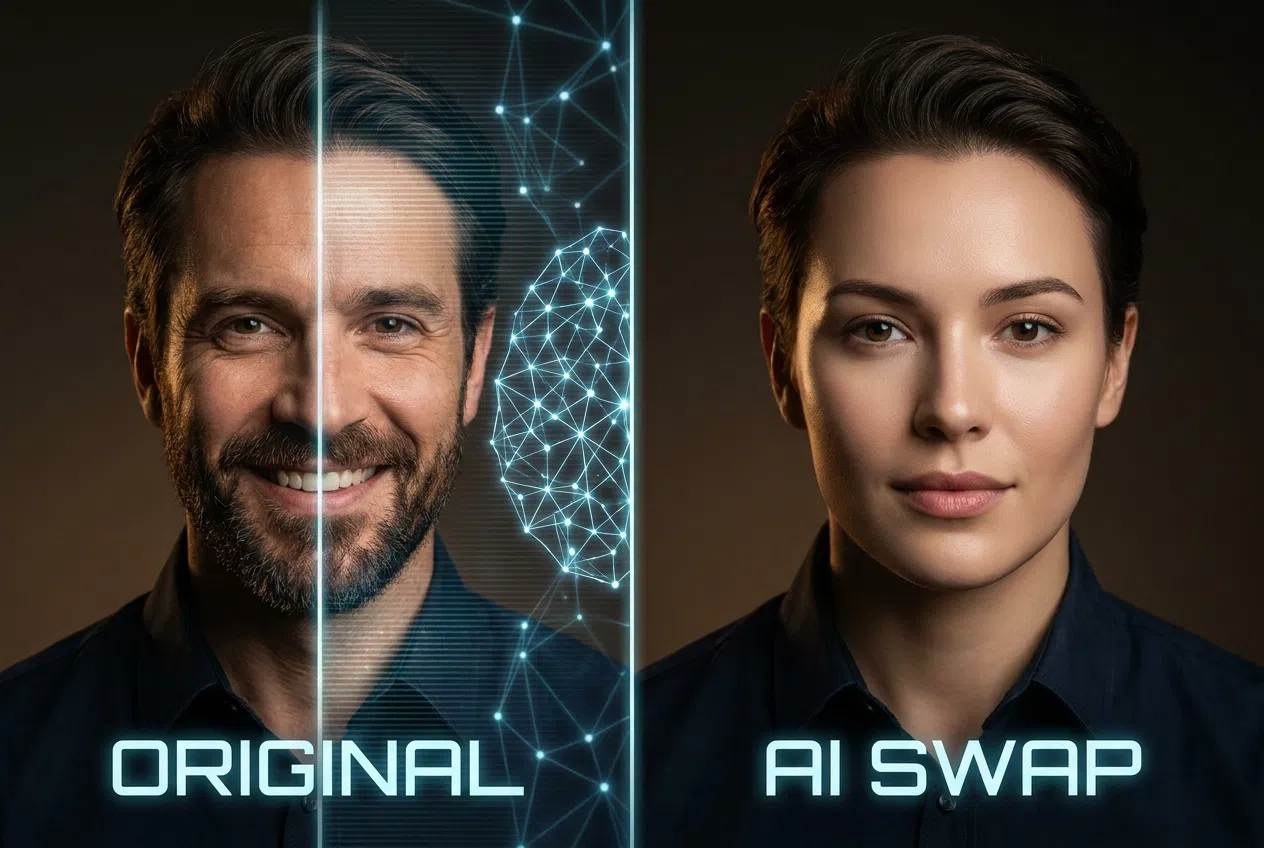
Portrait editing has always involved choices about identity and presentation. Lighting, retouching, wardrobe and compositing can change how a person appears in an image. Face swap technology makes some of those changes more direct, which is why it attracts attention in entertainment, advertising concepts and digital storytelling.
The term face swap is often used loosely. It may refer to replacing a face in a photograph, regenerating part of a portrait or maintaining a fictional character across different scenes. Those tasks are related, but they are not identical, and different tools support them in different ways.
Distinguishing the operations matters before choosing software. Replacing an identity, correcting a lighting mismatch and inventing a fictional portrait are different assignments. A project can use more than one method, but the brief should make clear which parts of the picture represent a real person and which are constructed.
Distinguish identity replacement from general editing
A general portrait edit might change the background, clothing color or lighting while trying to preserve the person. A face replacement aims to change who appears in the scene. Character generation may create a fictional identity rather than copy any real person. These goals need different inputs and different review criteria.
Before choosing a tool, state the task clearly. Are you developing a fictional campaign character, producing a consented casting concept or refining an existing portrait? A vague request to transform a face can lead to a result that looks polished but does not serve the project.
Use the current documentation of the specific tool to confirm its capabilities. Do not infer video support from a still-image example, or precise identity preservation from a general editing feature. The name of a creative platform is not a substitute for checking the workflow you intend to use.
Why portrait composites are difficult to make convincing
A face belongs to a three-dimensional scene with a particular pose, light and expression. The surrounding image contains clues about camera angle, skin texture, focus and color. A replacement that ignores those relationships can look wrong even when the facial features themselves are detailed.
The head’s position matters. A source photographed from the front may be difficult to reconcile with a target turned sharply to one side. Hair, glasses, hands and other objects can partially hide the face, creating additional challenges around edges and depth.
Lighting is equally important. Highlights and shadows should agree with the rest of the body and environment. A sharp, brightly lit face placed into a soft, dim scene can feel disconnected. Convincing portrait work depends on the whole image, not only the central facial region.
Creative concepts can be useful without pretending to be real
One legitimate use of portrait transformation is preproduction. A team may want to explore wardrobe, setting or character direction before a shoot. With authorized references and clear expectations, conceptual images can make that discussion more concrete.
The image should be presented as a concept. It is not evidence that a person attended an event, wore a product or approved a campaign. Keeping that distinction clear allows the creative work to be evaluated for its intended purpose rather than mistaken for a documentary record.
Fictional characters offer another route. A creator can develop an original adult character and explore different scenes without tying the design to a real person’s identity. The challenge then becomes consistency and storytelling, which still require careful review but avoid the need to imitate someone recognizable.
Consent is part of the creative brief
When a real person is involved, agreement should cover the intended use of their image and the nature of the transformation. A private concept exercise, a public advertisement and an entertainment project create different expectations. The person should understand what they are participating in.
Keep that agreement connected to the production material. A team handling the image later should not have to guess whether a reference can be used in a new context. Clear scope helps prevent a harmless test from becoming an unintended public presentation.
Consent also improves creative direction. The subject may have preferences about how they are represented, what changes are acceptable and which contexts feel appropriate. Those preferences belong in the brief alongside the visual requirements, rather than appearing only after the image has been produced.
Choose source material for compatibility
Good source material can reduce the amount of correction required. Look for clear focus, useful resolution and a pose that is compatible with the intended scene. Extreme filters or heavy compression can obscure details that the workflow needs to interpret.
Compare lighting and expression before processing. A calm neutral reference may be a better starting point for some concepts than a dramatic expression photographed under hard light. The goal is not to find the most flattering source, but the one that provides clear information for the intended task.
Use only the reference material required for the project and handle it according to the chosen service’s current policies and the team’s own practices. Portrait references can be personal. Their storage and sharing should be a deliberate production choice, not an accidental consequence of using a convenient tool.
Review identity separately from image quality
A portrait can look realistic while no longer representing the intended person. Facial proportions, eye shape, age cues or expression may shift. If identity matters, compare the result with authorized references rather than judging only whether the image appears natural.
For a fictional character, compare against the approved character guide. The face, hairstyle and distinctive traits should remain coherent across scenes. An attractive variation is not automatically an acceptable continuation of the same character.
Separate the review into two questions: does the image look internally convincing, and does it represent the intended identity appropriately? Both can matter, but they are not the same test. A result that passes one may still require revision or rejection on the other.
Treat video as a different production problem
Moving footage introduces continuity over time. A face must remain coherent through changes in pose, expression, focus and partial obstruction. A single good frame does not establish that a clip works from beginning to end.
Use a tool specifically documented for the video task rather than assuming a photo workflow can be extended automatically. Review the full sequence at normal speed and inspect transitions where the subject turns or something crosses the face. Those moments can reveal instability that a preview image hides.
Keep expectations tied to the project. A short conceptual test and a public campaign have different quality requirements. The production team should decide what level of consistency is acceptable and whether additional specialist work is needed before the material can be used.
Build original portrait concepts before complex transformations
If the main goal is creative direction, a simpler workflow may answer the question. Generate an original character or setting, explore the wardrobe and lighting, then use those images to brief a real shoot. This can communicate the idea without requiring a precise identity replacement during the concept stage.
Keep the identity-replacement task separate from concept development. A tool may help establish the scene and lighting without supporting a particular face-transfer operation. Check the current documentation for that operation, and evaluate its results against the required identity rather than assuming that general image quality establishes accuracy.
The creative brief should survive the choice of software. It should explain the desired mood, composition and character treatment in ordinary terms. That makes the concept useful to photographers, designers and performers as well as to the person operating the image tools.
Sometimes the brief only needs synthetic portrait concepts of an original fictional person. In that case, replacing a real face adds complexity without serving the story. Explore the character’s expression, clothing and environment directly, then reserve identity-transfer techniques for projects where that specific operation is necessary and authorized.
Keep the finished image understandable in context
The caption, placement and surrounding text affect how an audience interprets a portrait. A clearly fictional artwork can become misleading if it is presented beside wording that implies a real endorsement or event. Review the complete presentation before publishing.
Where the image is an illustrative or transformed concept, make that status clear enough for the intended audience. The explanation need not overwhelm the work, but it should prevent an important misunderstanding about who participated or what actually happened.
Retain the production record, including approved references and the intended use. This helps future collaborators understand the image and avoid reusing it in a context that changes its meaning. Good organization protects both the subject and the creative work.
The future depends on better creative judgment
Portrait transformation tools will continue to offer new ways to explore characters and scenes, but more capability does not remove the need for careful decisions. Identity, context and visual coherence remain central to whether an image is useful and appropriate.
A finished portrait should communicate the intended character or idea without leaving basic questions about representation unresolved. Review who is depicted, what has been changed and how the picture will be presented. Those decisions belong in the creative process from the beginning, not as an explanation added after the image has circulated.