ALA Lifeguard Course: Training, Certification, and Water Safety Skills Development
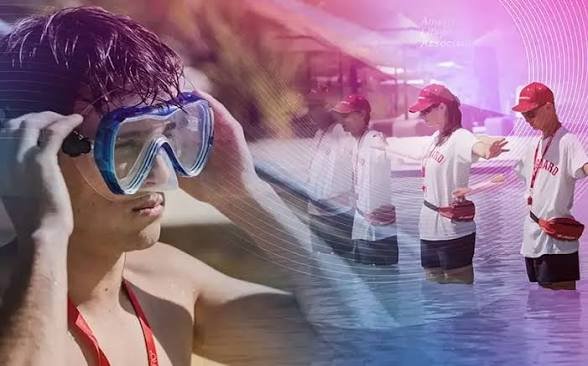
The American Lifeguard Association offers a comprehensive Lifeguard Course designed to provide professional certification. This program prepares you for the responsibilities of water safety and rescue. You learn to recognize emergencies and act fast. The training meets national standards. It equips you with skills to save lives in pools and open water environments.
The Florida Tragedy: A Sobering Reminder of Ocean Risks
The recent tragedy near St. Petersburg, Florida, served as a stark example of the hazards Florida’s beaches currently face. Tony Le, a 63-year-old boater, tragically lost his life after falling overboard during a family outing. Despite the recovery of his body 19 feet beneath the surface, his death underscores the growing risks associated with Florida’s certain coastal conditions.
This incident is far from isolated, as the state is experiencing a marked increase in rip current fatalities, coinciding with the influx of spring break crowds. These dangerous currents, often referred to as “rivers of death,” can quickly pull even the strongest swimmers into the deep, creating panic and exhaustion in a matter of moments.
Rising Risks: Florida’s Unpredictable Waters
The conditions along Florida’s coastline are becoming more perilous by the day. With rough surf, shifting sandbars, and erratic weather patterns, the state has found itself in the grips of a maritime crisis. The ALA warns that these dangerous waters demand more than just caution—they require proper preparation.
One of the most essential aspects of water safety highlighted by the tragic St. Petersburg incident involves Personal Flotation Devices (PFDs). Although Tony Le was reportedly wearing a life jacket when the boat initially launched, investigations suggest that he may have removed it before the accident. The ALA stresses that in unpredictable waters, a life jacket remains the single most important factor for survival.
Why a Lifeguard Course is Important
Accidents have become common occurrences of the present day life. The newspapers daily carry tragic news of fatal accidents. These accidents occur due to the careless and reckless of untrained swimmers. The accidents are very horrible and fatal in its nature. Many people received severe injuries and were bleeding. That is why lifeguard courses are very important.
• Water safety awareness teaches you how to stay safe.
• These classes teach you how to react quickly under pressure.
• The training helps people stay calm and confident.
• Students learn important lifesaving skills.
• You learn to make quick and safe decisions during emergencies.
Benefits of Learning Lifeguard Course
Its benefits leaving remarkable impact on social, economic and physical aspects of our life. It is a skill and it is not just about knowing how to rescue someone in water; it also helps you to become more confident, aware and responsible in everyday life. It has various benefits, here are some important benefits:
• You become aware of potential dangers, like slippery pool edges, strong currents, or unsafe water areas.
• Working with other trained professionals improves teamwork and also helps you communicate better to keep everyone safe.
• You learn to make quick and safe decisions during emergencies.
• Swimming and rescue drills improve strength and stamina. They also take care of your physical fitness.
• Knowing that you can save others’ lives gives you motivation and pride.
Core Skills Taught in a Lifeguard Course
It is designed to prepare you for real-life water emergencies. It covers several important areas that help you stay safe and keep others safe too. Training of rescue responders plays a very important role in our daily lives and it is very important for us to learn it. It includes many things for our benefits.
1. Basic swimming & Rescue techniques
Training becomes a reason for gaining mastery in swimming. Training makes a person better and better, because of which he can easily overcome every kind of difficult situation. We can learn a lot from this such as; how to move quickly in water, reach someone in trouble, and perform rescue techniques safely. These skills tell you what to do in emergencies.
2.CPR Training and AED Use
Cardiopulmonary reanimation (CPR) is one of the most critical chops a lifeguard can retain. Training includes
- Adult, child, and child CPR ways
- Deliverance breathing and choking response
- platoon- grounded reanimation scripts CPR training ensures lifeguards can act decisively during cardiac or respiratory extremities.
3.First Aid and Emergency Care
Lifeguards are frequently the first askers in submarine settings. Lifeguard training includes
- Treating cuts, fractures, and head/ neck injuries
- Managing spinal injuries in water
- Responding to heat- related ails
- Feting and treating shock These First Aid chops are essential factors of comprehensive water safety training.
Frequently Asked Questions (FAQ)
Can I complete the lifeguard classes online?
Yes, our lifeguard certification and classes can be completed online through our video-led instructions and comprehensive manuals. This allows you to train at your own pace without waiting for a group class. Our national blended program is designed to enable employers to assess your skills while promoting continuous practice and improvement through in-service training.
By combining the convenience of online instruction with practical application overseen by employers, our approach ensures candidates gain real-world experience under the guidance of experienced professionals.
We mandate both pre-service and in-service training evaluations by employers in line with the CDC Model Aquatic Health Code (MAHC). This ensures our program meets national standards, providing candidates with top-tier education and preparation for aquatic emergency prevention and response.
How long is my lifeguard certification valid?
Once you complete the lifeguard certification, it is valid for two years.