Paecilomyces lilacinus for Root-Knot Nematode Control in Corn
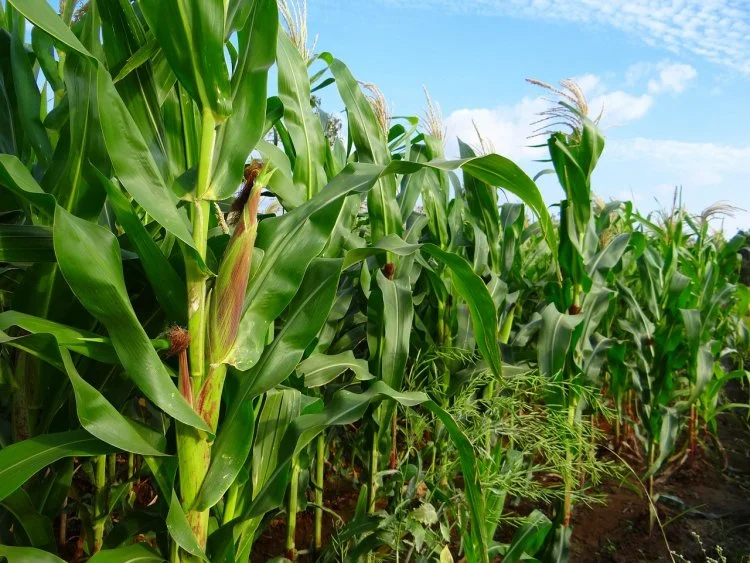
There is an invisible enemy below your cornfields, which may be stealing 28% of your potential harvest without you realizing it. Root-knot nematodes (Meloidogyne spp.) are one of the most devastating threats to agriculture, estimated to cause over 215.77 billion dollars of losses in crops every year around the world. These microscopic parasites in corn enter root systems causing characteristic galls that interfere with the uptake of nutrients and lead to drastically lowered yields. But what were the chances that nature itself would provide the clue to getting rid of these destructive pests?
The Battle of the Underground that is a Threat to your Corn Profits
Root-knot nematodes are masters of infiltration and infest young corn roots in the early developmental stages and set up feeding sites that drain plants of nutrients and water. These microscopic predators are silent (as opposed to more visible pests) and can bring about serious yield losses without leaving any above-ground mark. Evidence indicates that corn planted in apparently favorable environments can incur hidden losses in yield of up to 400 kg per hectare as a result of nematode feeding and this represents significant economic losses to producers.
Chemical nematicides have been the major method of root knot nematode control, but the synthetic solutions have severe disadvantages: environmental pollution, the elimination of beneficial microorganisms, legal limitations, and growing resistance among others. A proactive manufacturer is actively seeking biological solutions that are compatible with nature instead of pitting nature against them.
NEMA PRO: Nature is the Accurate Weapon of Nematodes
NEMA PRO is a new sustainable bionematicide technology that uses the natural predatory ability of Purpureocillium lilacinus (formerly Paecilomyces lilacinus) to destroy root-knot nematodes at the source. It is the most desirable biological companion of the corn producers as it has over millions of years developed this remarkable type of fungus into a highly sought after specialist nematode predator that can be utilized to provide effective and environmentally friendly means of pests control.
Purpureocillium lilacinus has an elegant multiple-step assault pathway that is not only nematode-lethal but also crop-safe. Applied to soil, NEMA PRO causes fungal spores to germinate and therefore to actively attack nematode eggs and juveniles. The mycelium surrounds eggs with a sticky mass, and secretive powerful enzymes such as chitinase, protease and glucanase that systematically break down the protective eggshell. After destroying the shell, the fungus invades and eats off the contents of the egg, thereby stopping the development of the larva.
Studies conducted by universities show that paecilomyces lilacinus nematicida can reduce nematode populations by up to 77 percent and, at the same time, increase corn yields by 20-36 percent. This is a two-fold advantage, as the fungus kill the parasites as well as synthesises plant growth-promoting substances that promote root growth and improve nutrient absorption efficacy. The outcome is more productive stress-tolerant plants that are healthier.
NEMA PROMAX: Multi-Organism Protection
NEMA PROMAX provides superior quality and next-generation bionematicide activity by combining synergistically the advantages of useful microorganisms in situations where corn operations need to endure extreme nematode pressures or where extra protection is desired. This new type of multi-pronged liquid formulation combines Burkholderia species and Bacillus pumilus with complementary biological agents to provide the product a multi-pronged attack that is not available in single organism products.
The revolutionary concept of NEMA PROMAX provides quick knockdown and sets the long-term suppression. More than 80 active metabolites are produced by the Burkholderia component, including specialized lipopeptides and cytotoxins, which attack nematode cellular structures. This biological cocktail kills 100 percent of second-instar larvae in 24 hours and, at the same time, prevents the hatching of eggs by as much as 80 percent, a biological one-two punch to nematode populations.
The liquid formulation provides unmatched application flexibility to corn production systems. NEMA PROMAX can be incorporated into current management practices whether it is through center pivot irrigation, side-dress injection or incorporating soil at planting. It is cost effective because of its concentrated formula, and gives superior results, which is the reason why application levels are high, thus making it cost effective and environmentally friendly on mass application.
Scientific Biological Nematode Suppression
The usefulness of biological nematode control in the production of corn is always confirmed after studies in the leading agricultural universities. It has been demonstrated that paecilomyces lilacinus applications can reduce root galling up to 70 percent and increase plant vigor and yield potential. The mechanism does not only apply to direct killing of nematodes but also to benefits in root architecture, enhanced nutrient uptake, and resistance to secondary stressors.
The most appealing aspect of the biological control of corn is its ability to be integrated with the integrated pest management systems. Contrary to the chemical nematicides, which may disorganize the useful soil organisms, biological such as those found in NEMA PRO and NEMA PROMAX instead improve the health of the soil by promoting the development of useful microbial communities. This gives rise to a virtuous cycle whereby better soil biology will yield continuous repression of nematode populations.
Economic and environmental benefits
There is strong economic justification to control biological root knot nematodes in corn. Chemical treatments can suppress the weed, but biological agents will create long term populations that will just work all through the growing season and even longer. Not only do the producers record direct suppression of the nematode, but also signs of a healthier soil, a better nutrient cycle, and a more drought-resilient crop.
The environmental gains run much further than the farm gate. Bionematicide compounds emit zero adverse residues, promote the well-being of pollinators, and lead to sustainable food production in the face of growing consumer demand. Biological nematode control will be a competitive advantage to producers involved in sustainability certification programs, or who sell products to environmentally conscious markets.
The Future of Corn Protection
With agriculture becoming more sustainable, biologicals such as NEMA PRO and NEMA PROMAX are the future of integrated pest management. These products show the best crop protection can be achieved by working with natural systems rather than working against them.
Want to see what your corn can be? Root-knot nematodes do not need to keep robbing your operation. NEMA PRO and NEMA PROMAX provide reliable, sustainable solutions that will secure your harvest and your investment in the health of your soil. Be part of the new trend of progressive producers finding out that biological control is not only more environmentally friendly–it is also more business friendly. Get a feel of the strength of nature-based nematode suppressions and see your fields of corn grow bigger than ever.