Tahhiini Explained: Uses, Benefits, and How to Use It Right
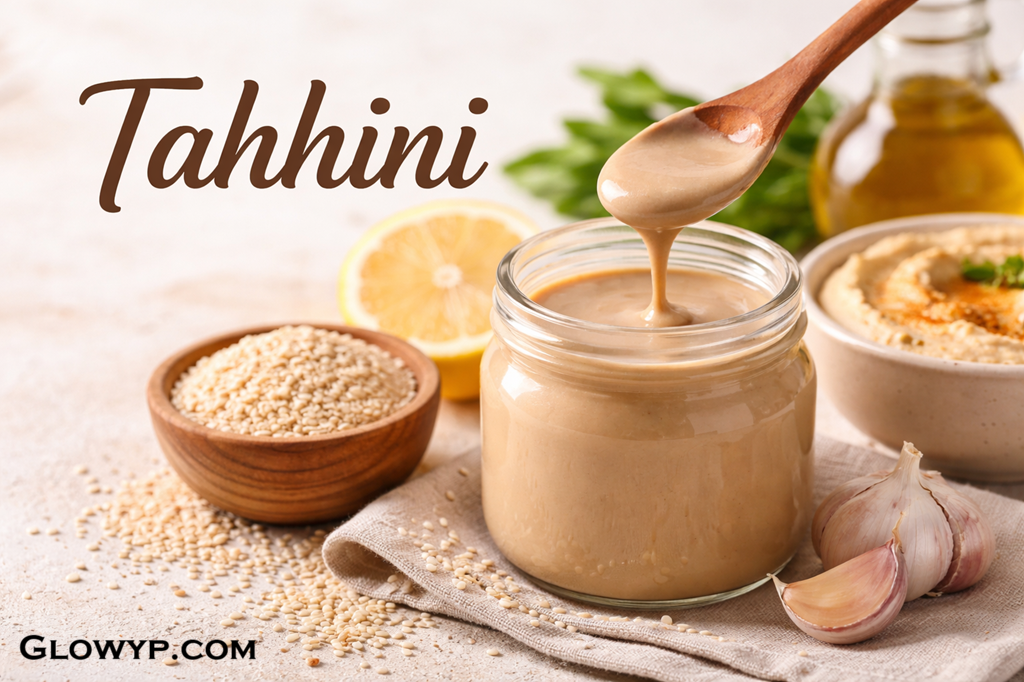
Tahhiini is a smooth, creamy paste made from finely ground sesame seeds. It is a foundational ingredient in Middle Eastern and Mediterranean cuisines and is valued for its nutty flavor, gentle bitterness, and remarkable versatility.
This guide starts with a clear explanation and then moves deeper. By the end, you will understand what tahhiini is, how it is made, why it is nutritionally valuable, and how to use it with confidence in everyday cooking.
What Tahhiini Is and Why It Matters
Tahhiini, also spelled tahini or tahiini, is produced by grinding sesame seeds until they release their natural oils and form a paste. Nothing else is required.
What makes it special is balance. It brings richness without heaviness, depth without overpowering flavor, and nourishment without complexity.
At a glance
- Made from sesame seeds only
- Naturally vegan and dairy-free
- Used in both savory and sweet dishes
- Shelf-stable and easy to store
This simplicity is exactly why it has endured for centuries.
The Origins of Tahhiini in Food Culture
Sesame seeds are among the oldest cultivated crops in human history. Early civilizations valued them for oil, energy, and long shelf life.
As people learned to grind sesame into paste, tahhiini became a practical and cultural staple. It traveled across regions through trade, family traditions, and shared meals.
Today, it remains deeply tied to everyday home cooking rather than luxury food. That is part of its strength.
How Tahhiini Is Made
The process is simple, but quality depends on attention.
Basic Production Steps
- Sesame seeds are cleaned
- Seeds may be lightly toasted or left raw
- Seeds are ground until smooth and creamy
High-quality tahhiini contains no fillers, sugars, or preservatives.
Hulled vs Unhulled Sesame Seeds
- Hulled sesame seeds create a lighter, smoother paste with a mild flavor
- Unhulled sesame seeds produce a darker paste with more fiber and minerals but a stronger bitterness
Both versions are correct. The choice depends on taste preference and intended use.
Flavor and Texture Explained
Tahhiini has a naturally nutty flavor with a slightly bitter edge. This bitterness is not a flaw. It balances well with lemon, garlic, salt, or sweetness.
Texture can vary:
- Thick and spreadable like nut butter
- Smooth and pourable like sauce
When whisked with water, tahhiini thickens and lightens in color. This reaction is normal and useful in cooking.
Nutritional Value of Tahhiini
Tahhiini is dense in nutrients, which explains its long-standing role in traditional diets.
Key Nutritional Benefits
- Healthy fats, especially omega-9 fatty acids
- Plant-based protein
- Dietary fiber
- Calcium, magnesium, iron, and zinc
These nutrients support heart health, bone strength, and sustained energy.
Because it is calorie-dense, small portions are usually enough.
Common Culinary Uses of Tahhiini
One of tahhiini’s greatest strengths is flexibility.
Savory Uses
- Essential ingredient in hummus
- Adds depth to baba ghanoush
- Forms the base of tahini sauce for falafel
- Used in salad dressings and roasted vegetables
Sweet Uses
- Core ingredient in halva
- Used in cookies, cakes, and brownies
- Works as a dairy-free fat in baking
Few ingredients move so easily between sweet and savory cooking.
How to Reduce Bitterness in Sauces
Bitterness is often misunderstood.
Simple technique
- Whisk tahhiini with cold water first
- Allow it to thicken and turn pale
- Add lemon juice, garlic, or salt afterward
This method creates a smoother, milder sauce every time.
Storage and Shelf Life
Tahhiini is stable due to its natural oils.
- Oil separation is normal
- Stir before each use
- Store in a cool, dark place or refrigerate after opening
When stored properly, it lasts for months without losing quality.
How to Choose Quality Tahhiini
When buying nutty flavor, the label matters.
Look for:
- One ingredient: sesame seeds
- No added vegetable oils or sugars
- Smooth texture without dryness
Freshness and simplicity matter more than brand name.
Why Tahhiini Fits Modern Eating Habits
Tahhiini aligns naturally with:
- Plant-based diets
- Clean eating
- Vegan and gluten-free lifestyles
It provides richness without dairy and structure without additives. That balance makes it timeless rather than trendy.
Final Thoughts
Tahhiini is not just a condiment. It is a food built on patience, simplicity, and cultural memory.
Its creamy texture, quiet nutrition, and adaptability explain why it continues to appear on tables across generations and regions. Once understood, it becomes less mysterious and more essential.
That is the true value of tahhiini.
Curious about the foods behind global kitchens? Dive deeper with Glowyp.